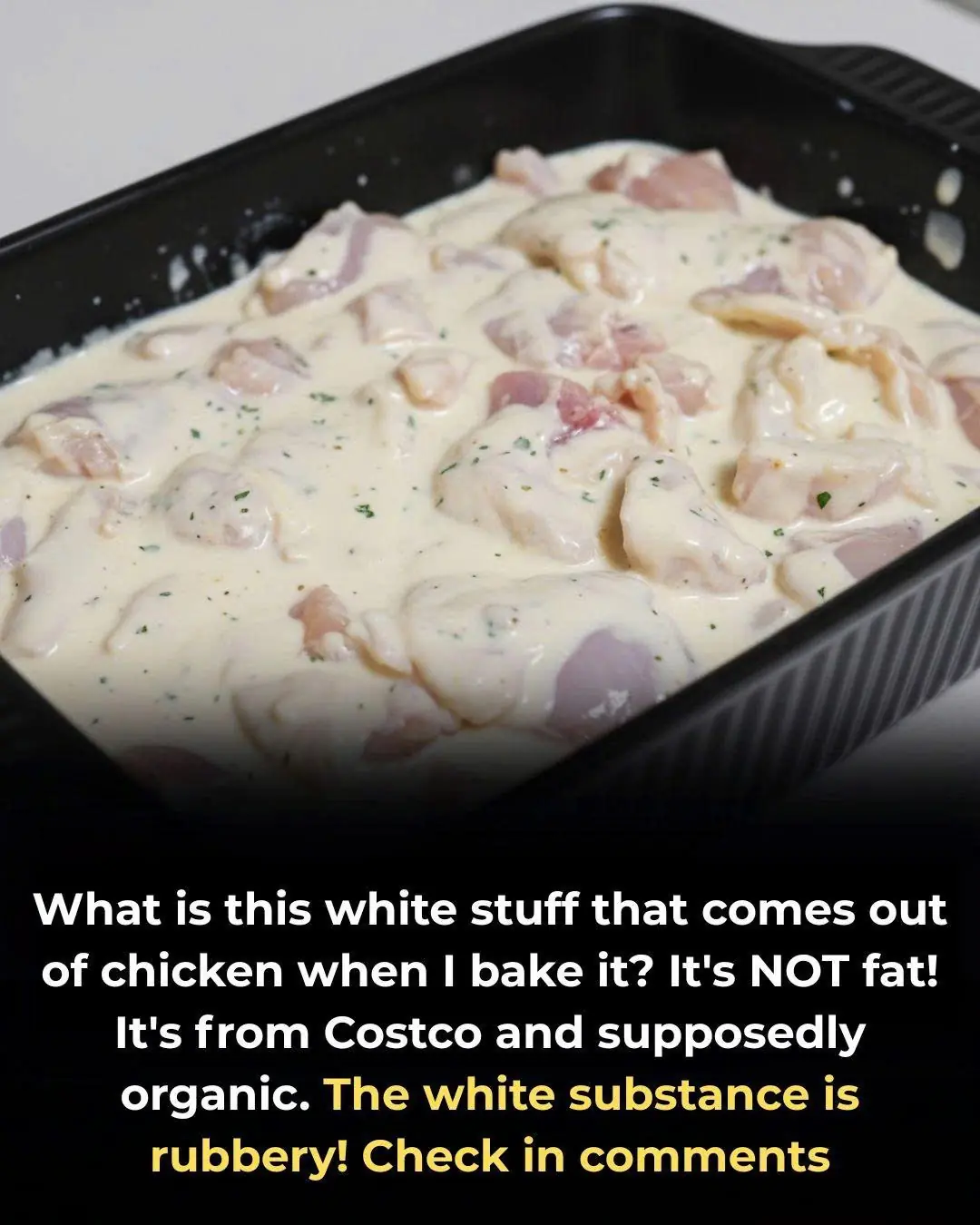
What’s That White Goo That Comes Out of Chicken After Cooking
Facts 13/12/2025 18:34
12 Kitchen Mistakes to Avoid
When it comes to cooking, food safety, and proper kitchen practices, some mistakes can have hidden consequences that impact both your health and the taste of your meals. These seemingly minor errors could lead to unwanted chemical exposure, flavor degradation, or even dangerous contaminants in your food. Below are 12 common kitchen mistakes you should avoid to ensure a safer and healthier cooking environment.
Cooking acidic foods like tomatoes in aluminum cookware can be problematic. The acid in tomatoes reacts with the aluminum, which may cause the metal to leach into your food. This can alter the taste of your dish and potentially introduce harmful metals into your body. For this reason, it’s better to use stainless steel or ceramic cookware when cooking acidic foods like tomatoes to avoid this risk.
Copper cookware, while popular for its heat conductivity, should not be used for dairy products like milk or cream. Dairy, when combined with copper, may cause a reaction that leads to metal contamination and off-flavors in your dishes. Copper is reactive, and its high levels can lead to copper toxicity over time. It’s best to use stainless steel or non-reactive pots for cooking dairy-based dishes.
Storing hot food, such as soup, in Styrofoam containers is another mistake many people make. The heat from the food causes the Styrofoam to release harmful chemicals into the food. These chemicals can be toxic and may disrupt hormone regulation in the body, posing long-term health risks. Always use glass or BPA-free plastic containers to store hot food to avoid chemical leaching.
Using plastic wrap to cover hot food can lead to the migration of chemicals from the plastic into your food. The heat accelerates this process, which can result in the leaching of harmful substances such as phthalates and BPA, substances linked to reproductive issues and other health concerns. Instead, opt for glass containers with airtight lids or aluminum foil for storing leftovers.
When storing citrus juice in plastic bottles, be cautious. The acidity of citrus fruits speeds up the breakdown of plastic, causing microplastics and chemicals to leach into the juice. This can not only alter the taste but also introduce harmful substances into your body. It’s better to store citrus juices in glass containers or bottles made from non-reactive materials.
Using vinegar in cast iron cookware can strip away the seasoning and increase the risk of rust. The acidity of vinegar breaks down the protective layer on cast iron, causing it to lose its non-stick properties and become more prone to rust. To maintain your cast iron, avoid using vinegar, and instead use mild soaps or warm water for cleaning.
Microwaving food in plastic containers or plastic wrap is a mistake that can lead to the breakdown of the plastic under heat. This results in chemical leaching, which can be harmful when consumed. Look for containers that are specifically labeled as microwave-safe, and opt for glass or ceramic containers to minimize the risks.
Deep frying food in non-stick pans is not recommended. The high temperatures of deep frying can cause the coating on non-stick pans to break down, releasing harmful fumes and degrading the coating, which can contaminate your food. For frying, use cast iron or stainless steel pans that can withstand higher temperatures.
Stirring honey with a metal spoon may alter its taste and quality over time. Honey can react with metals like iron, which may degrade the honey's flavor and reduce its beneficial properties. For the best results, use a wooden or plastic spoon to handle honey, preserving both its taste and health benefits.
Non-stick utensils that are scratched or damaged can pose significant health risks. Scratches increase the exposure of food to the degraded coating materials, which could potentially be harmful when consumed. If your non-stick utensils or pans are damaged, it’s time to replace them with newer, safer alternatives to avoid contamination.
Salt, when stored in metal containers, can draw moisture from the air, leading to corrosion and degradation of both the salt and the container. Over time, the salt may lose its flavor and potency. Store salt in a dry, airtight container, preferably made from glass or ceramic, to maintain its freshness and prevent corrosion.
Using cracked stoneware to store or serve acidic fruits, such as oranges or tomatoes, can be harmful. Tiny cracks in the stoneware trap bacteria and can lead to contamination, as they are difficult to clean thoroughly. Always inspect your stoneware for cracks and replace it if necessary to avoid bacterial growth and food contamination.
Avoiding these 12 kitchen mistakes can help ensure that your food is both safe and delicious. By being mindful of how you store, cook, and handle food, you can reduce exposure to harmful chemicals and maintain the flavor and nutritional value of your meals. For a healthier cooking experience, remember to choose the right cookware and storage options, and always follow best practices in the kitchen.