10 DIY Storage Ideas to Quickly Organize Your Home
Facts 13/12/2025 17:29
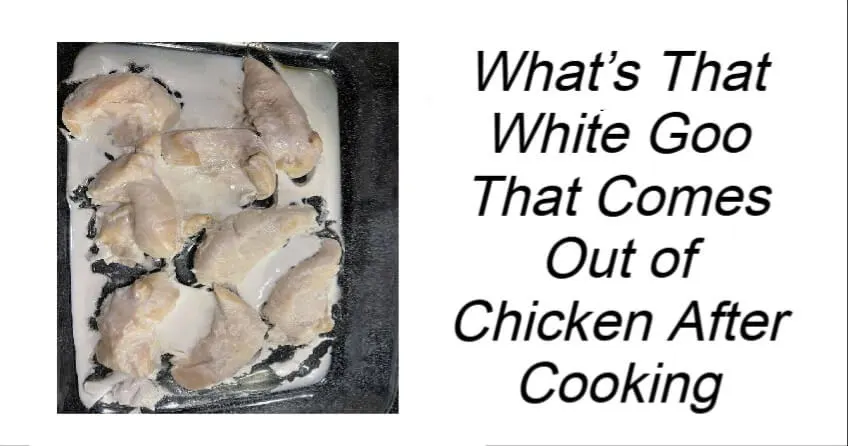
If you’ve ever cooked chicken and noticed a strange white, sticky substance collecting in the pan or clinging to the surface of the meat, you’re definitely not alone. Many home cooks find this sight unsettling and worry that something has gone wrong. While it may look unappetizing, this white “goo” is completely normal, harmless, and easy to explain once you understand what’s happening during cooking.
That white substance is simply a combination of protein and water released from the chicken as it heats up. Chicken muscle is made largely of water trapped between muscle fibers, along with proteins. When exposed to heat, those muscle fibers tighten and contract, pushing out the liquid they contain. As the liquid heats further, the proteins coagulate and turn opaque white—much like egg whites do when they cook.
Food scientist Dr. Topher McNeil explains that chicken muscles “contract and squeeze out the liquid trapped between the muscle cells.” In short, the white goo is just a natural byproduct of heat changing the structure of the meat.
Although all chicken can release this substance, it’s often more noticeable in frozen or previously frozen meat. When chicken is frozen, ice crystals form inside the muscle cells, damaging their structure. Once thawed and cooked, these weakened cells release more liquid than fresh chicken would.
Repeated freezing and thawing makes the effect even more pronounced, which is why the white goo can sometimes appear excessive. This is similar to how frozen berries release a pool of liquid once they thaw and soften.
The white substance looks very similar to cooked egg whites because both contain high levels of albumin. Albumin is a protein that turns solid and white when heated. Culinary experts note that albumin makes up a significant portion of the proteins found in chicken juices, which explains the visual resemblance.
Yes, absolutely. The white goo is completely safe to eat. It’s nothing more than cooked protein and water. While it may not look particularly appealing, it poses no health risk whatsoever.
However, as with any meat, you should trust your senses. If the chicken gives off a strong, unpleasant odor, feels excessively slimy before cooking, or the liquid has an unusual color, that could indicate spoilage—and the chicken should be discarded.
You can’t eliminate it entirely, but a few simple techniques can help reduce how noticeable it is:
Avoid refreezing: Choose fresh chicken when possible, or minimize how often it’s frozen and thawed.
Pat the chicken dry: Removing excess surface moisture before cooking helps reduce liquid buildup and improves browning.
Cook at a moderate temperature: Very high heat causes muscle fibers to contract rapidly, forcing out more liquid.
Brine the chicken: A light salt brine helps the meat retain moisture internally, reducing the amount expelled during cooking.
Certain cooking habits can make the white substance more obvious. Overcooking chicken, cutting into it too soon, or repeatedly piercing it with a thermometer can all cause additional juices—and proteins—to escape. Letting the meat rest briefly after cooking helps redistribute those juices.
Chicken isn’t unique in this behavior. Fish, especially salmon, often releases a similar white substance during cooking. This is also albumin, and the same principles apply: gentler heat and slower cooking methods help minimize its appearance.
If the look still bothers you, you can simply scrape the white residue away with a butter knife or blot it off with a paper towel without affecting flavor or texture.
While it may not be the most visually appealing part of cooking chicken, the white goo is entirely natural and nothing to fear. As Dr. McNeil reassures home cooks, you can confidently prepare your chicken without worrying about this harmless reaction—it’s just science doing its thing in the kitchen.