Herbal balms have been used for centuries around the world as natural, topical remedies for everyday aches, skin irritations, congestion, and healing support. These balms typically combine plant-derived extracts with a base like beeswax, oils, and essential oils to create a soothing product that can be applied directly to the skin. While many traditional uses are supported by anecdotal evidence, modern research has begun to investigate some of the mechanisms and clinical effects of these botanicals. Below is an overview of the key balms from the image and what science tells us about them.
Arnica Balm is commonly applied for bruises, sprains, and sore muscles. Arnica (Arnica montana) contains compounds such as helenalin, which have shown anti-inflammatory and antioxidant properties in laboratory studies and may help reduce swelling and pain when applied topically in appropriate formulations. Systematic reviews indicate that topical arnica products are widely used for painful and inflammatory conditions, although evidence varies depending on concentration and formulation, and further clinical research is still needed. (Scientific sources: Arnica systematic review – PubMed; Arnica anti-inflammatory properties)
Calendula (Marigold) Healing Balm is traditionally used to soothe cuts, scrapes, rashes, and irritated skin due to its anti-inflammatory and healing compounds. Herbal extracts like calendula have been included in dermatological research for their ability to calm skin and promote tissue repair, though well-controlled clinical trials are limited compared to some other botanicals. (Scientific context: general herbal skin treatment research)
Lavender Calm Balm is known for its relaxing scent and gentle skin calming effects. Lavender has been studied for its anxiolytic and mild anti-inflammatory properties, which may help ease stress and support sleep in aromatherapy applications, although the evidence base is larger for inhalation than topical balms.
Peppermint Cooling Balm often contains menthol, giving an instant cooling sensation that may relieve tension headaches or sore feet. Peppermint oil has been studied for its local analgesic effects, but individual results can vary.
Chamomile Comfort Balm is recommended for sensitive skin, eczema flare-ups, and calming irritation. Chamomile contains flavonoids and terpenoids that have been shown to possess anti-inflammatory activity in laboratory and some small clinical studies, making it a traditional option for gentle skin support. (Scientific context: herbal creams and skin inflammation)PMC
Tea Tree Antimicrobial Balm contains Melaleuca alternifolia oil, which is well documented for its antibacterial and antifungal properties and is commonly used in skincare to address minor cuts, acne spots, and fungal issues. Organizations like the European Medicines Agency recognize its topical use for superficial skin infections, though allergic reactions can occur. (Scientific perspective: tea tree oil in dermatology)Scindeks Clanci
Eucalyptus Chest Balm may help open airways and ease congestion, as eucalyptus essential oil contains compounds with antimicrobial and antioxidant abilities, offering supportive relief during colds when used in vapor rubs or balms. (Scientific context: eucalyptus antimicrobial activity)PMC
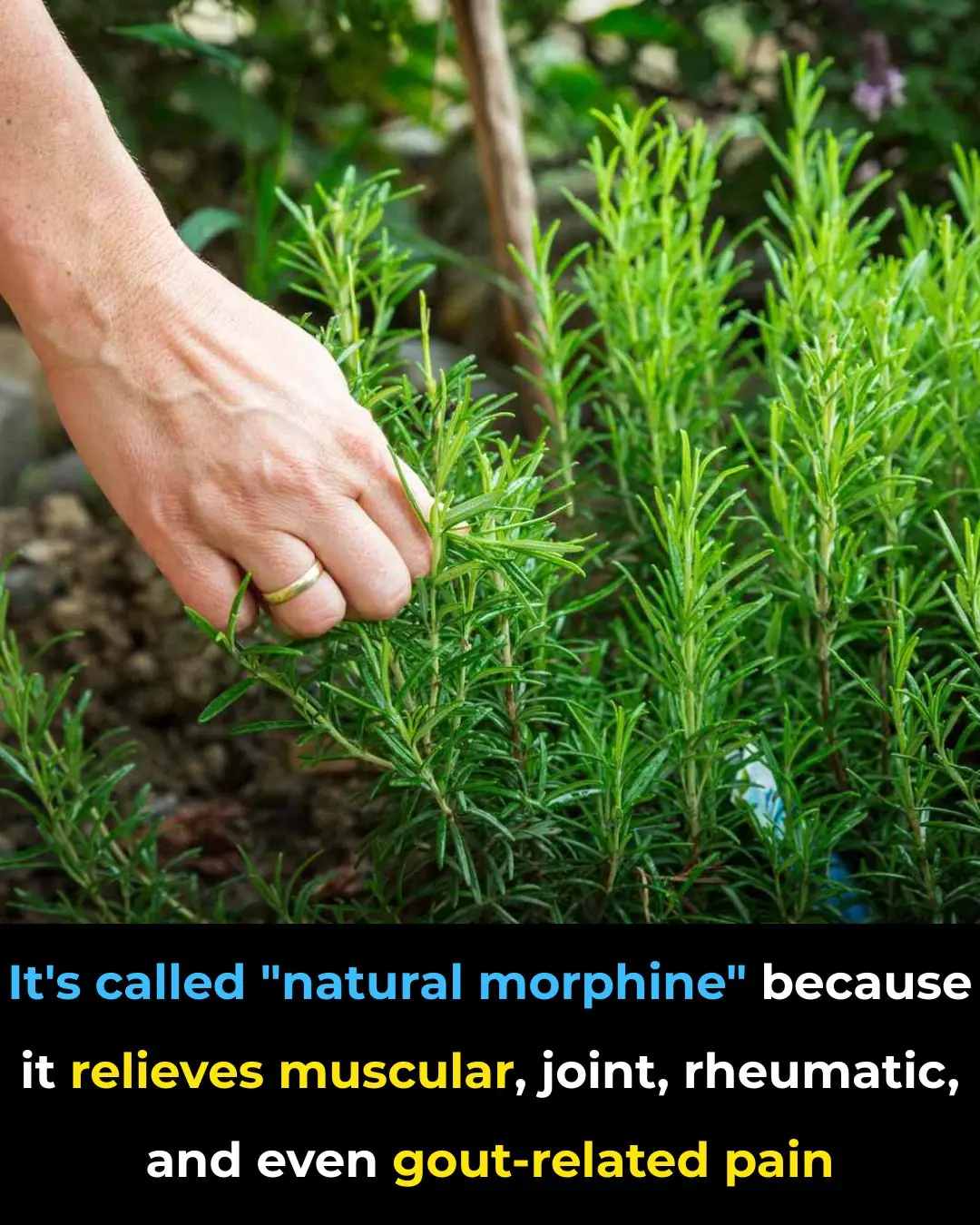
Other balms such as Comfrey “Knitbone”, Rosemary Circulation Balm, Plantain Drawing Balm, Turmeric Anti-Inflammatory Balm, and Beeswax Repair Balm reflect centuries of traditional herbal uses. Comfrey has been traditionally used for muscle and joint discomfort; rosemary contains antioxidants and may improve local blood flow; plantain has soothing properties; turmeric’s active curcumin is studied for anti-inflammatory effects; and beeswax provides a protective, moisturizing barrier for dry skin.
In summary, herbal balms provide a natural complement to everyday first-aid and self-care routines. Some ingredients have strong traditional support and scientific research backing their use when applied appropriately. However, it is important to be cautious about potential allergic reactions, concentration strengths, and skin sensitivities, and to consult healthcare professionals when using herbal products for medical concerns.









![Reduce Foot And Ankle Swelling [Top 9 Causes]](https://onplusnewscom.8cache.com/onplusnewscom/images/2025/12/13/1765633594jVo6Fro3lO.webp)