5 Signs Your Lungs are Being Exposed to Mold
Health 13/12/2025 22:52
Phlegm—commonly referred to as mucus—is something many people only pay attention to when they feel sick, congested, or short of breath. Yet mucus is not a sign of illness by default. In fact, it is a vital component of your body’s daily defense system. Every day, your respiratory tract produces mucus to trap dust, allergens, bacteria, and viruses before they can enter the lungs. Under healthy conditions, most people generate about 1 to 1.5 liters of mucus daily, which is usually swallowed unconsciously without causing discomfort.
Problems arise when mucus becomes unusually thick, excessive, or difficult to clear. When phlegm lingers in the throat or chest, it can cause coughing, throat irritation, chest tightness, and breathing discomfort. Understanding what phlegm is, why it builds up, and how to manage it naturally can make a significant difference in respiratory comfort and overall well-being.
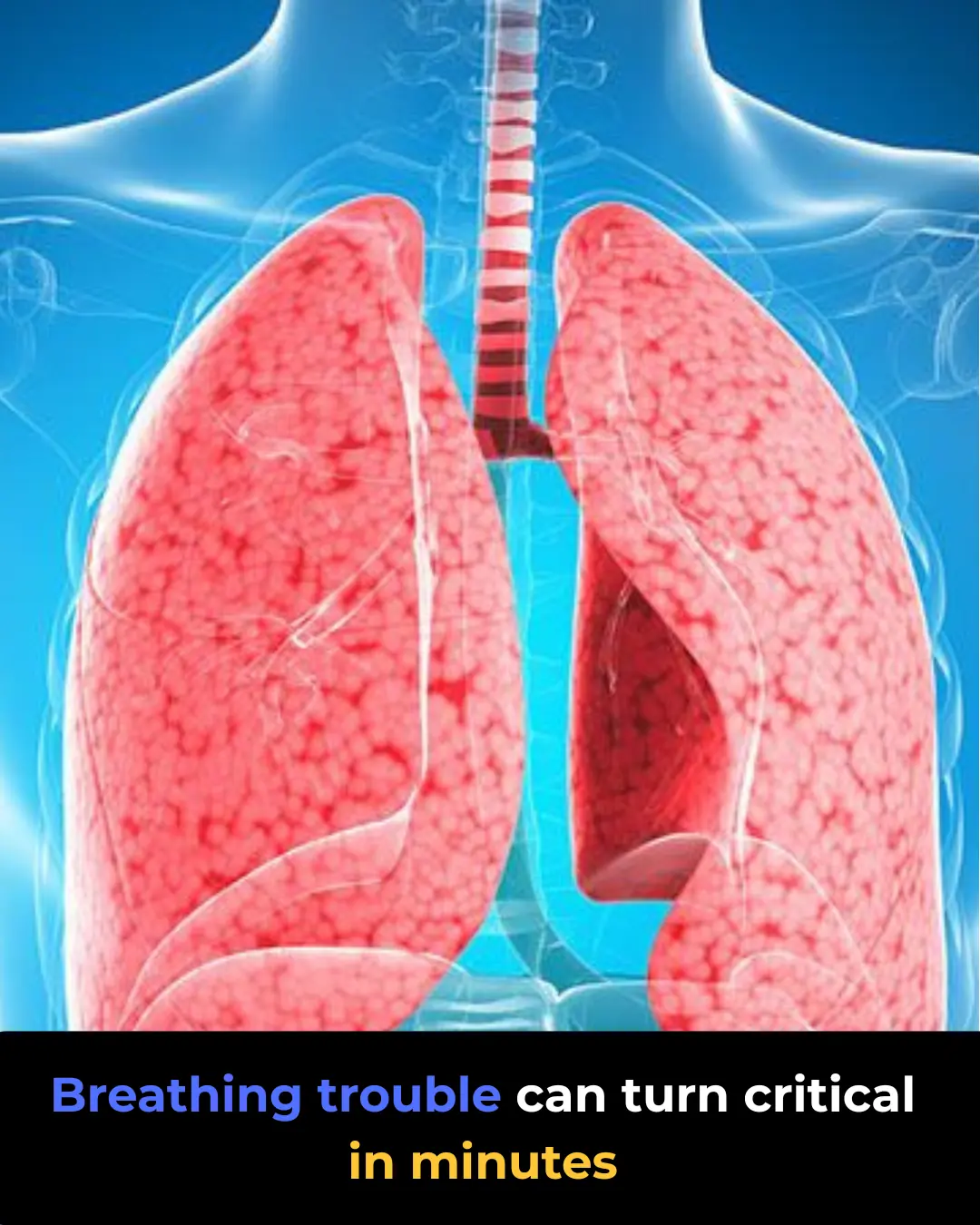
Phlegm is a thick, gel-like substance produced by the mucous membranes lining the nose, throat, sinuses, and lungs. Its primary purpose is protection. Phlegm is made up of several components, including:
Water, which keeps airways moist
Mucins, special proteins that give mucus its sticky texture
Immune cells such as neutrophils that fight infection
Antibodies like IgA that neutralize pathogens
Trapped particles such as dust, pollen, bacteria, and viruses
Mucus works alongside tiny hair-like structures called cilia, which continuously move in a coordinated motion to push mucus upward toward the throat. From there, it is either swallowed or expelled. This process helps keep the lungs clean and functioning efficiently.

Phlegm production increases when the body is irritated, inflamed, or fighting off threats. Several common factors can cause mucus to thicken or accumulate:
Colds, flu, sinus infections, and bronchitis stimulate the immune system to produce more mucus to trap and eliminate invading pathogens. Clear or white mucus is common in viral infections, while yellow or green mucus may appear when immune cells are actively fighting bacteria.
Exposure to allergens such as pollen, mold, dust mites, or pet dander can trigger histamine release. This causes nasal swelling, increased mucus production, and postnasal drip.
Tobacco smoke irritates the airways, damages cilia, and thickens mucus. As a result, phlegm becomes harder to clear, leading to chronic coughing and congestion, often referred to as a smoker’s cough.
Polluted air, strong cleaning agents, perfumes, and industrial chemicals can inflame the respiratory lining. The body responds by producing more mucus to protect itself.
Stomach acid that travels up into the throat can irritate the airway lining, creating a constant sensation of mucus or postnasal drip, even without nasal congestion.
Low humidity dries out airway tissues, prompting the body to compensate by producing thicker mucus, which can feel sticky and difficult to expel.
Asthma, chronic obstructive pulmonary disease (COPD), and long-term sinus inflammation are often associated with ongoing mucus production and airway congestion.
Before relying on medication, many people find relief through simple, evidence-based home remedies that support the body’s natural clearing mechanisms.
Adequate fluid intake is one of the most effective ways to thin mucus. When the body is dehydrated, mucus becomes dense and sticky, making it harder to clear.
Best options: warm water, herbal teas, ginger tea, chamomile tea, and clear broths
Limit: excess caffeine and sugary drinks, which may worsen dehydration
Salt water can calm irritated throat tissues and reduce swelling through its natural osmotic effect.
How to use: Dissolve half a teaspoon of salt in warm water and gargle two to three times daily. This may also help reduce bacterial load in the throat.
Inhaling warm, moist air helps loosen mucus and soothe irritated airways.
Tips:
Use a bowl of hot water or a warm shower
Optional: add eucalyptus or peppermint oil
Limit sessions to about 10 minutes to avoid irritation or burns
Placing a warm compress on the chest or throat improves circulation and relaxes chest muscles.
Why it helps: Heat softens mucus and supports natural drainage, especially during chest congestion.
Honey offers antibacterial and anti-inflammatory benefits, while lemon’s acidity and vitamin C content help break down mucus and support immune function.
How to use: Mix one tablespoon of honey with warm water or tea and add fresh lemon juice. This combination can also calm coughing and throat irritation.
Maintaining proper humidity levels prevents airway dryness and reduces thick mucus formation.
Ideal humidity: 40–50%
Important: Clean humidifiers regularly to prevent mold and bacterial growth.
Saline rinses or neti pots help flush out allergens, pollutants, and excess mucus from the nasal passages.
Safety tips:
Always use sterile or distilled water
Rinse once or twice daily during congestion
Reducing exposure to irritants such as cigarette smoke, air pollution, strong fragrances, and chemical fumes allows inflamed airways to recover and produce less mucus.
Certain lifestyle factors can contribute to thicker or more noticeable mucus:
Smoking and secondhand smoke, which strongly stimulate mucus production
Excess sugar, which promotes inflammation
Overuse of nasal decongestant sprays, which can cause rebound congestion
Suppressing productive coughs, since coughing is a natural way to clear mucus
Dairy products (for some individuals), which may make mucus feel thicker, even if they do not increase production
Medical evaluation is recommended if:
Mucus persists longer than three weeks
Phlegm becomes yellow, green, brown, or bloody
You experience chest pain, fever, or shortness of breath
Symptoms worsen or do not improve with home care
Persistent or severe phlegm may indicate an underlying condition that requires medical treatment.
Phlegm is a normal and essential part of the body’s respiratory defense system. However, when mucus becomes thick, excessive, or long-lasting, it can interfere with breathing, sleep, and daily comfort. Simple lifestyle measures—such as staying hydrated, using steam, managing humidity, avoiding irritants, and supporting the immune system—can significantly reduce mucus buildup.
By recognizing your personal triggers and paying attention to warning signs, you can manage phlegm more effectively and know when professional medical care is necessary.
Disclaimer: This content is for informational purposes only and is not intended to replace professional medical advice. Always consult a qualified healthcare provider regarding your health concerns or medical conditions.





![Reduce Foot And Ankle Swelling [Top 9 Causes]](https://onplusnewscom.8cache.com/onplusnewscom/images/2025/12/13/1765633594jVo6Fro3lO.webp)