Don’t Throw Away Rice Water
Facts 13/12/2025 22:18
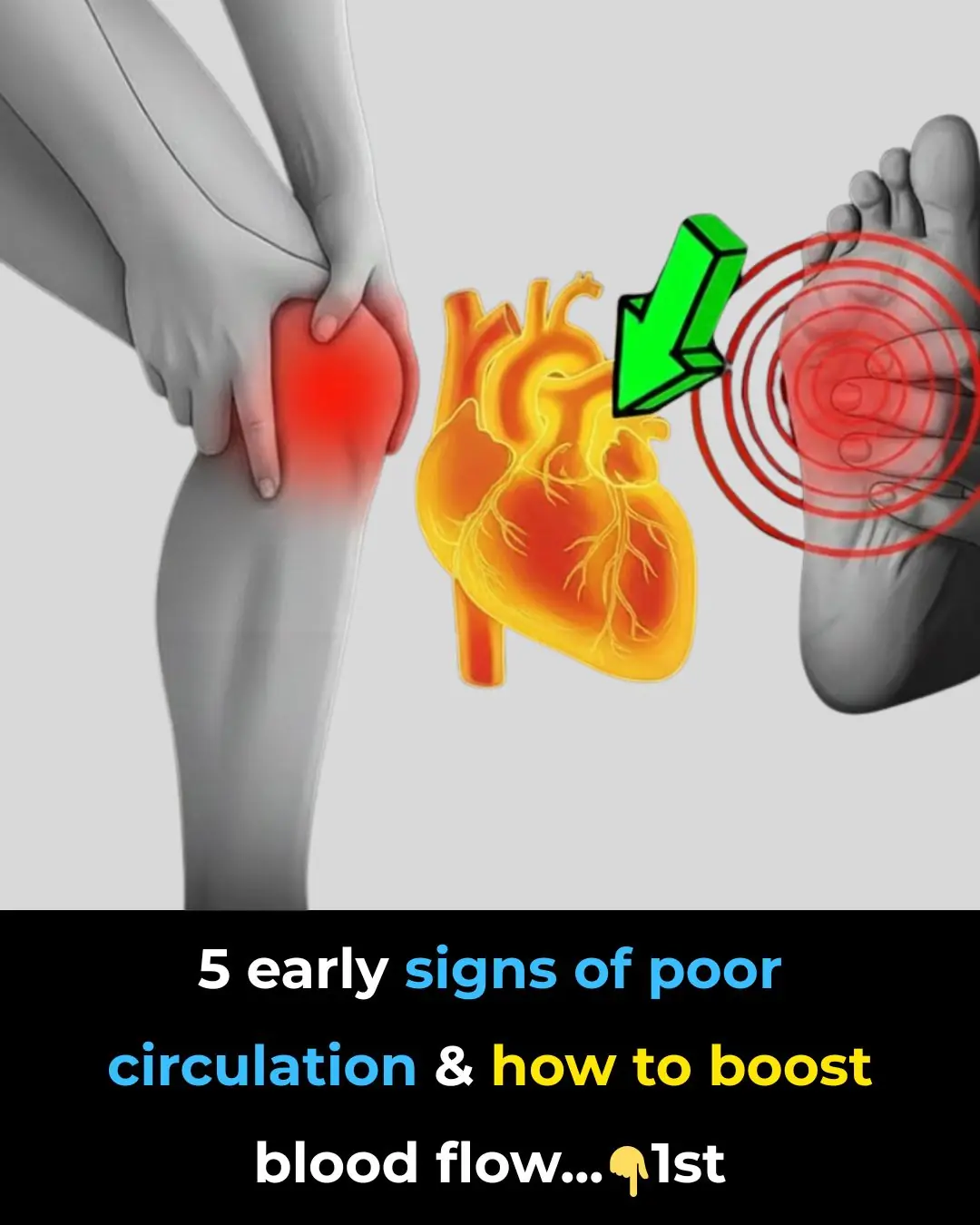
Water retention—medically known as edema—occurs when excess fluid builds up in the body’s tissues. This often shows up as swelling in the hands, feet, ankles, legs, or even the face. For many people, it’s a short-term inconvenience. But when swelling lingers or returns frequently, it can become uncomfortable, frustrating, and sometimes a sign that your body needs extra support.
The good news is that water retention is often manageable. By understanding why it happens and supporting your body naturally, you can reduce swelling and feel lighter, more comfortable, and more energized.
There isn’t just one reason the body holds onto extra fluid. Several factors can contribute, including:
High sodium intake from processed or packaged foods
Hormonal fluctuations (such as during menstruation, pregnancy, or menopause)
Certain medications, including steroids, anti-inflammatory drugs, and blood-pressure medications
Sitting or standing for long periods without movement
Underlying medical conditions, such as heart, kidney, or liver issues
Identifying your personal triggers is the first step toward choosing the most effective solutions.
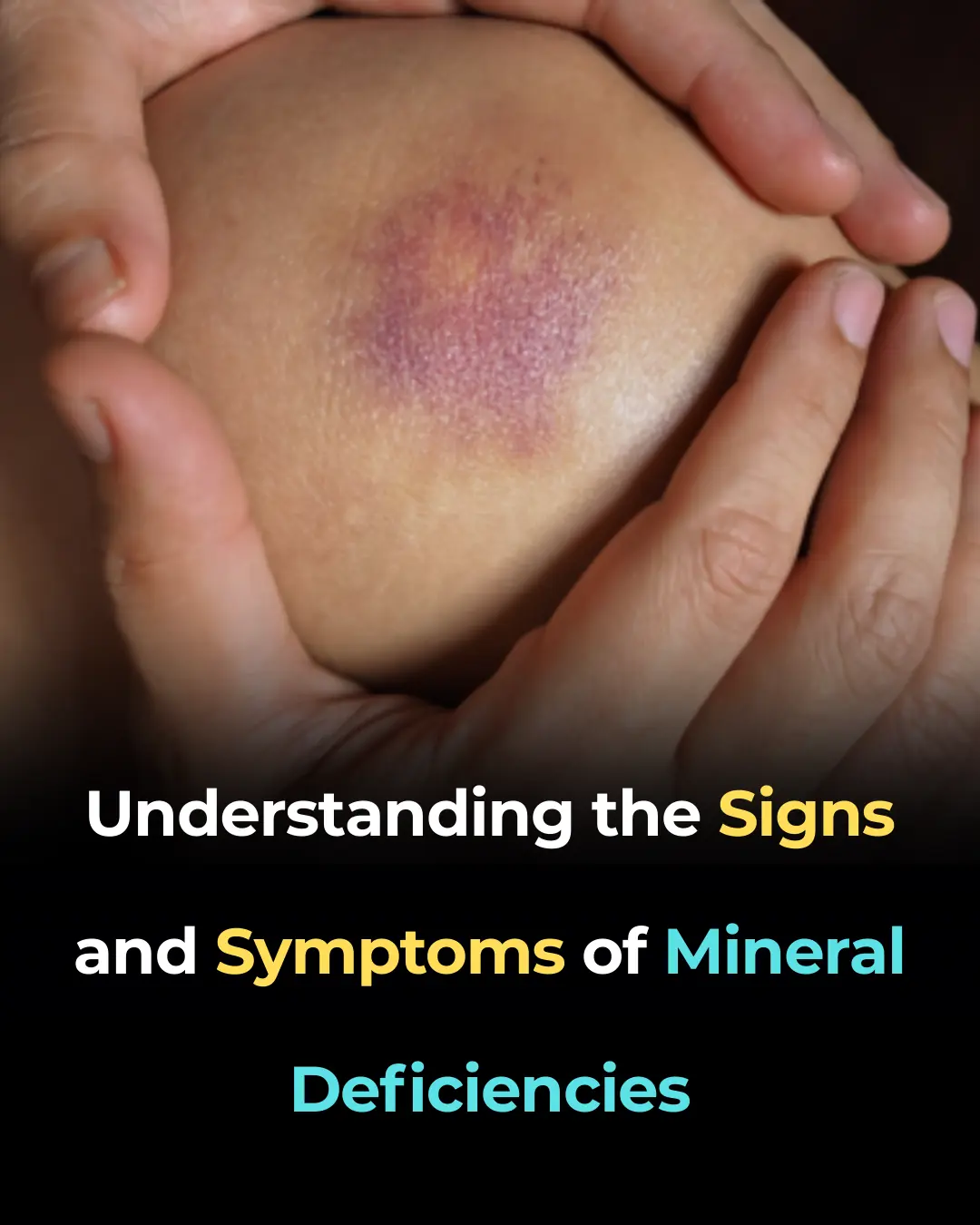
Fluid buildup can look and feel different from person to person. Common signs include:
Puffiness or visible swelling
A heavy, tight, or stiff sensation
Reduced flexibility or mobility
Skin that appears stretched or shiny
In more severe cases, skin that leaves an indentation when pressed
Noticing these signs early allows you to take simple steps before swelling worsens.
It may seem counterintuitive, but drinking enough water is one of the best defenses against water retention.
When the body senses dehydration, it goes into survival mode—holding onto every drop of fluid it can. Proper hydration supports kidney function, helping flush out excess sodium, which is one of the main contributors to swelling.
Aim to sip water consistently throughout the day rather than drinking large amounts all at once.
Small dietary adjustments can have a big impact on fluid balance:
Cut back on salty, processed, and packaged foods
Increase potassium-rich foods to help balance sodium levels
Choose whole, fresh ingredients whenever possible
Limit artificial preservatives and additives
A balanced, nutrient-dense diet helps your body regulate fluids naturally and efficiently.
Certain foods support hydration while encouraging your body to let go of excess fluid.
Cucumbers
Watermelon
Celery
Citrus fruits
Bananas
Avocados
Sweet potatoes
Including these foods regularly supports circulation, digestion, and natural detoxification.
Some herbal teas have gentle diuretic properties that help reduce fluid buildup without causing dehydration:
Dandelion tea
Green tea
Parsley tea
One to two cups per day can support hydration, circulation, and reduced puffiness.
Epsom salt is rich in magnesium, a mineral known for its anti-inflammatory and relaxing effects.
How to use it:
Mix ½ cup of Epsom salt into a basin of warm water
Soak hands or feet for 15–20 minutes
Repeat a few times per week
This simple ritual can ease discomfort while helping draw out excess fluid.
This refreshing smoothie supports hydration and helps calm inflammation:
Ingredients:
1 cup kale
1 cup pineapple chunks
½ cucumber
1 tablespoon chia seeds
Juice of ½ lemon
1 cup coconut water
Blend until smooth and enjoy in the morning for a light, energizing start to your day.
A gentle, fruity blend that helps flush excess water:
Ingredients:
1 cup watermelon
½ cucumber
½ cup cranberry juice
Juice of 1 lemon
Blend well and enjoy earlier in the day to support circulation and fluid balance.
Warm, nourishing, and ideal for maintaining hydration:
Ingredients:
1 chopped onion
3 minced garlic cloves
1 tablespoon olive oil
4 cups low-sodium vegetable broth
1 cup celery
1 cup carrots
2 cups spinach
1 tablespoon fresh parsley
Salt and pepper to taste
Sauté onion and garlic, add remaining ingredients, and simmer for 20–25 minutes. Enjoy as a light meal or side dish.
Daily habits matter just as much as diet. Try incorporating these practices:
Move regularly to support circulation
Elevate your legs when resting
Wear compression stockings if recommended
Prioritize sleep and stress management
Maintain a consistent, nutrient-rich diet
Over time, these habits help your body maintain healthy fluid balance.
Water retention is common—but it doesn’t have to control how you feel. By staying hydrated, eating supportive foods, and adopting healthy daily habits, you can significantly reduce swelling and discomfort.
Listen to your body, nourish it consistently, and address symptoms early. When fluid balance improves, you’ll not only look better—you’ll feel better, lighter, and more energized every day.





















![Reduce Foot And Ankle Swelling [Top 9 Causes]](https://onplusnewscom.8cache.com/onplusnewscom/images/2025/12/13/1765633594jVo6Fro3lO.webp)