Top 3 Nutrients Seniors Need to Stop Leg Cramps and Restore Strength: Reclaim Your Steady Steps Today!
Garden Healthy 03/01/2026 00:33
Herbs have been used for centuries in traditional medicine systems such as Ayurveda, Traditional Chinese Medicine, and Western herbalism. However, modern research increasingly shows that how and when herbs are used can significantly affect their safety, absorption, and effectiveness. The infographic “Herbs You’re Using Wrong” highlights several common herbal mistakes that may reduce benefits—or even cause harm. Below is a science-based explanation of these herbs and how to use them correctly.
Ashwagandha (Withania somnifera) is widely known for its stress-reducing and adaptogenic properties. While many people take it at night, research suggests it works best in the morning, as it can increase cortisol regulation and energy levels. Taking it at night may interfere with sleep in some individuals.
Source: Chandrasekhar et al., Indian Journal of Psychological Medicine, 2012
Ginger (Zingiber officinale) is most effective when brewed as a warm infusion, which helps release gingerols and shogaols—its primary anti-inflammatory compounds. Cold preparations reduce bioavailability and digestive stimulation.
Source: Mashhadi et al., International Journal of Preventive Medicine, 2013
Peppermint (Mentha × piperita) relaxes gastrointestinal smooth muscle, helping relieve bloating and cramps. Consuming it after meals supports digestion, while taking it on an empty stomach may aggravate acid reflux in sensitive individuals.
Source: Khanna et al., Journal of Clinical Gastroenterology, 2014
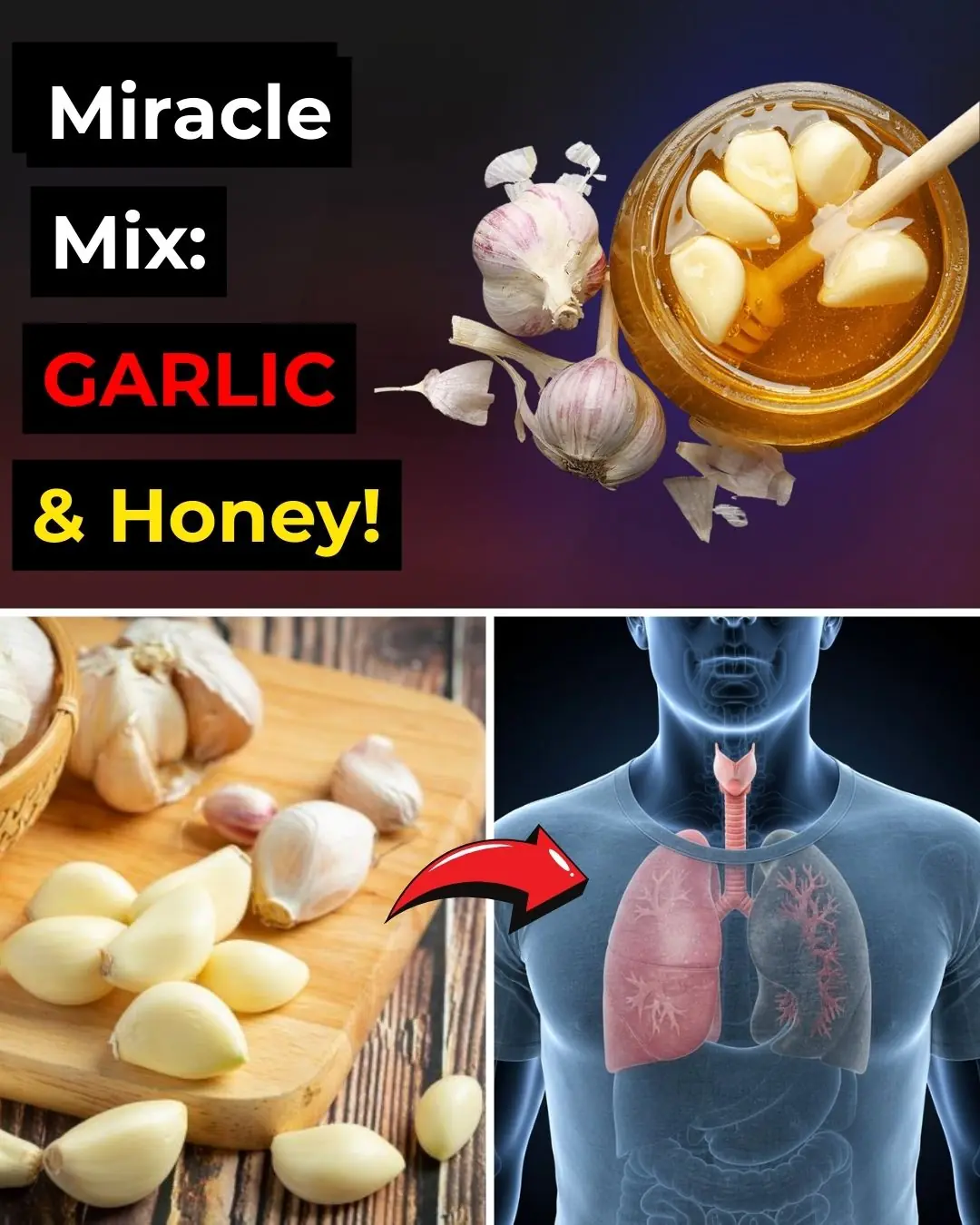
Garlic (Allium sativum) must be chopped or crushed and left for 5–10 minutes before cooking. This activates alliinase, the enzyme responsible for producing allicin—the compound linked to garlic’s antimicrobial and cardiovascular benefits.
Source: Borlinghaus et al., Molecules, 2014
Curcumin, turmeric’s active compound, is poorly absorbed on its own. Combining turmeric with healthy fats and black pepper (piperine) can increase absorption by up to 2,000%.
Source: Shoba et al., Planta Medica, 1998
Chamomile (Matricaria chamomilla) contains delicate flavonoids that degrade with prolonged heat. Steeping for 5–10 minutes preserves its calming and anti-inflammatory properties.
Source: McKay & Blumberg, Phytotherapy Research, 2006
Lemongrass (Cymbopogon citratus) has antimicrobial and digestive benefits, but excessive boiling can destroy essential oils. Gentle infusion helps retain citral and other bioactive compounds.
Source: Avoseh et al., Journal of Advanced Research, 2015
Herbs are powerful natural tools—but they are not foolproof. Scientific evidence increasingly supports traditional knowledge that timing, preparation, and combinations play a critical role in their effectiveness. Understanding these principles allows us to use herbs more safely and maximize their health benefits in everyday life.