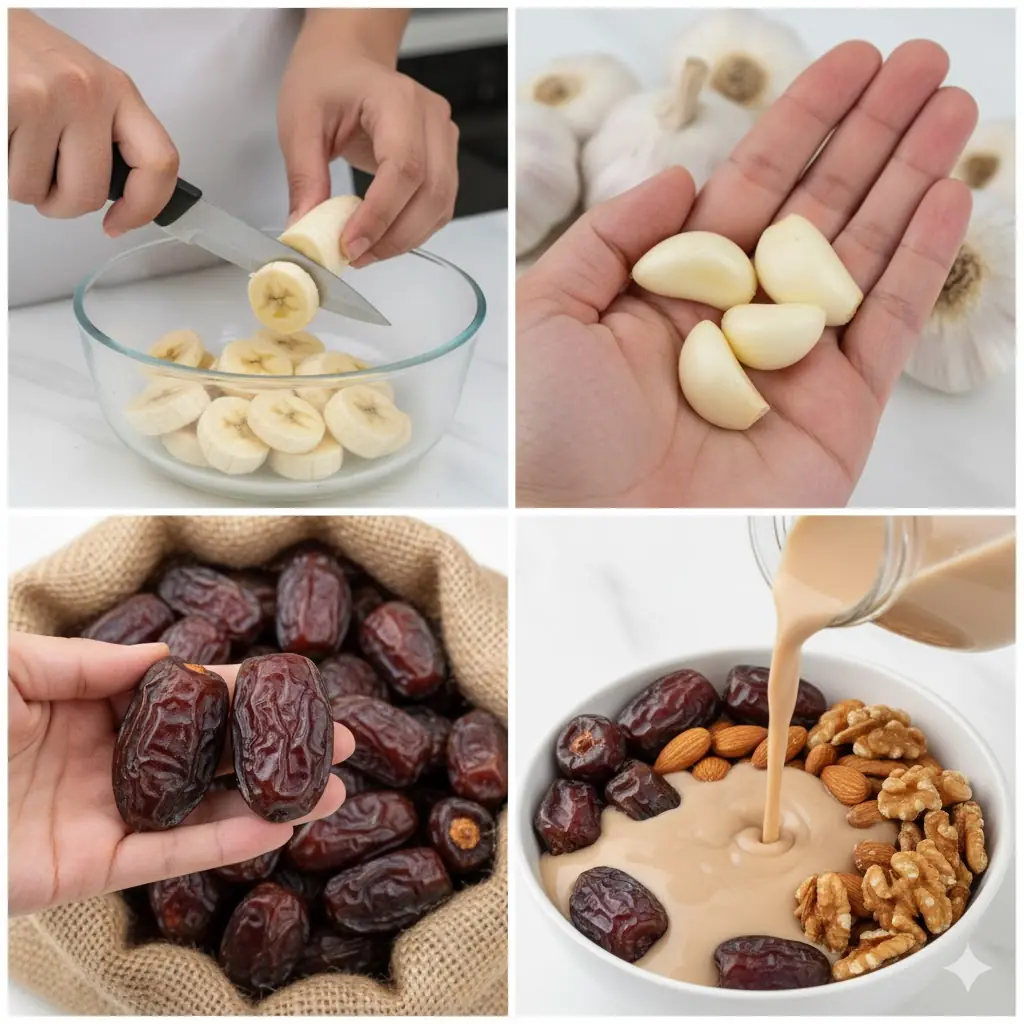
Bananas, Garlic, and Dates: The Powerful Health Combo
Garden Healthy 02/01/2026 18:26
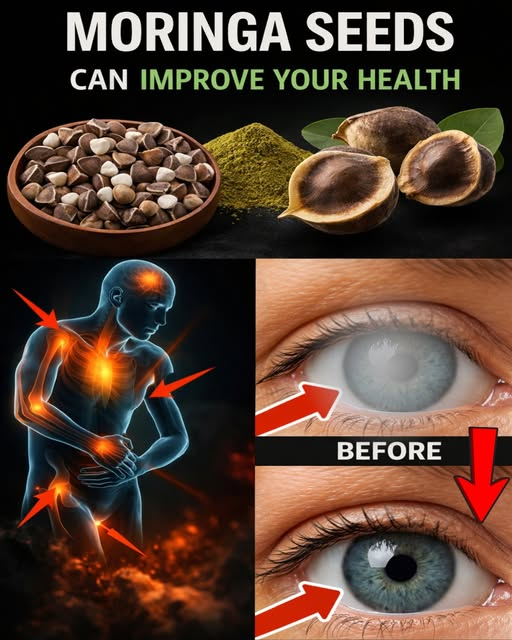
As people move into midlife and beyond, many begin searching for natural ways to support energy, immunity, and overall vitality. In recent years, Moringa oleifera—often referred to as the “miracle tree”—has gained global attention for its nutritional richness. While moringa leaves and powders are widely discussed, moringa seeds remain comparatively overlooked, despite growing scientific interest in their unique bioactive compounds. Emerging research suggests that these small seeds may offer a range of potential health benefits, although human evidence is still developing.
Moringa seeds are particularly rich in healthy fats, plant-based protein, and phytochemicals such as glucosinolates and isothiocyanates. These compounds are known for their antioxidant and anti-inflammatory properties. Oxidative stress and chronic inflammation are widely recognized contributors to aging and many non-communicable diseases, making foods rich in protective compounds increasingly relevant to healthy aging strategies (bold: Libby, 2007, Nature Reviews Immunology).
One of the most notable potential benefits of moringa seeds lies in their antioxidant capacity. Laboratory studies show that seed extracts can neutralize free radicals and reduce oxidative damage at the cellular level (bold: Leone et al., 2015, International Journal of Molecular Sciences). Antioxidants play a critical role in protecting cells from age-related damage, which may support long-term cardiovascular, neurological, and metabolic health.
Anti-inflammatory effects are another area of interest. Animal and in vitro studies indicate that moringa seed compounds may suppress inflammatory markers involved in joint discomfort and chronic disease pathways (bold: Coppin et al., 2013, Phytotherapy Research). While these findings are preliminary, they align with traditional uses of moringa in managing inflammation-related conditions.
Cardiovascular health is a further emerging focus. Moringa seeds contain oleic acid, a monounsaturated fat also abundant in olive oil, which has been associated with improved lipid profiles. Experimental studies suggest that moringa seed intake may influence cholesterol metabolism and support healthier blood lipid balance (bold: Mbikay, 2012, Frontiers in Pharmacology). However, large-scale clinical trials in humans are still needed to confirm these effects.
Blood sugar regulation has also been explored. Some animal studies indicate that moringa seed extracts may help moderate glucose levels by improving insulin sensitivity (bold: Jaiswal et al., 2013, Journal of Food Science and Nutrition). This has sparked interest in moringa as a supportive dietary component for metabolic health, particularly among older adults, though medical supervision remains essential.
Beyond metabolic markers, moringa seeds may support digestive health due to their fiber and oil content, which can aid regularity and nutrient absorption. Additionally, antimicrobial properties observed in laboratory settings suggest a possible role in immune modulation (bold: Anwar et al., 2007, Food Chemistry). Traditionally, moringa seeds have even been used in water purification, underscoring their biological activity.
Neurological protection represents another promising but early area of research. Antioxidant compounds in moringa seeds may help protect neurons from oxidative stress, a mechanism implicated in age-related cognitive decline (bold: Farooq et al., 2012, Asian Pacific Journal of Tropical Medicine). While this does not imply prevention of neurological disease, it highlights potential supportive pathways worth further investigation.
Despite these promising findings, it is essential to emphasize moderation and safety. Moringa seeds are potent and should be consumed in small amounts, typically a few seeds per day. Excessive intake may cause digestive discomfort, and individuals who are pregnant, breastfeeding, or taking medications—particularly blood pressure or blood-thinning drugs—should consult a healthcare professional before use (bold: National Institutes of Health, Dietary Supplement Fact Sheets*).
In conclusion, moringa seeds represent a nutritionally dense food with intriguing potential health benefits supported by laboratory and animal research. Their antioxidant, anti-inflammatory, and metabolic properties suggest they may complement a balanced diet aimed at supporting healthy aging. However, current evidence remains preliminary, and moringa seeds should be viewed as a supportive dietary element rather than a therapeutic treatment. As scientific research continues to expand, these small seeds may prove to be a valuable—though carefully used—addition to modern wellness routines.