12 Kitchen Mistakes to Avoid
Tips 13/12/2025 22:36
12 Herbal Balms You Should Keep at Home
Herbal balms have been used for centuries to treat a wide range of ailments, from soothing sore muscles to calming irritated skin. These natural remedies can be a convenient and effective way to support overall health, especially when dealing with common conditions like bruises, inflammation, and minor injuries. Below, we explore 12 herbal balms that you should consider keeping at home for their therapeutic benefits.
Arnica Balm
Arnica is a well-known herb that has been used in traditional medicine for centuries, especially for treating bruises, sprains, and sore muscles. Arnica balm is highly valued for its ability to reduce swelling and alleviate pain quickly, making it an essential go-to remedy after physical activity or minor injuries. Research has shown that arnica can reduce pain and bruising by stimulating circulation and promoting tissue repair. It is particularly effective for contusions and sprains and can be applied topically to the affected area to experience rapid relief. (Source: National Center for Complementary and Integrative Health, NCCIH)
Comfrey “Knitbone” Balm
Comfrey, often referred to as "knitbone," has a long history of use in herbal medicine due to its ability to promote tissue healing. This balm is traditionally used for treating bruises, sprains, strains, and even fractures by supporting the body’s natural healing processes. The herb contains allantoin, a compound that helps accelerate cell regeneration, making it especially effective for tissue recovery. While comfrey has shown promise in speeding up the healing of soft tissues, it's important to use it cautiously, as some forms of comfrey may contain compounds that could harm the liver when taken internally. (Source: American Herbalists Guild)
Calendula Healing Balm
Calendula, also known as marigold, is a powerful herb that is often used to treat cuts, scrapes, rashes, and other skin irritations. Calendula balm is especially beneficial for soothing and promoting healing in minor wounds due to its anti-inflammatory and antimicrobial properties. It can also be applied to areas of skin prone to redness, irritation, or dryness, as it helps to restore moisture and calm inflammation. The plant compounds in calendula have been shown to stimulate tissue regeneration and improve skin health, making it an ideal remedy for sensitive or irritated skin. (Source: Journal of Clinical and Aesthetic Dermatology)
Turmeric Anti-Inflammatory Balm
Turmeric has gained widespread popularity for its potent anti-inflammatory and antioxidant properties, especially for joint stiffness and general body inflammation. A turmeric balm can help reduce swelling and ease discomfort in localized areas, such as knees, elbows, and hands. This balm is effective in soothing minor inflammatory conditions by targeting the underlying inflammation that causes pain and discomfort. Studies have demonstrated that curcumin, the active compound in turmeric, can significantly reduce markers of inflammation and promote joint health. (Source: Journal of Medicinal Food)
Lavender Calm Balm
Lavender oil is well-known for its calming and relaxing effects, which makes lavender balm an excellent choice for easing stress and promoting sleep. The soothing aroma of lavender is complemented by its gentle anti-inflammatory properties, which can help alleviate muscle tension and anxiety. When applied topically, lavender balm can help ease tight muscles and calm skin irritations. It’s especially beneficial before bed, as it has been shown to improve sleep quality, making it a perfect addition to your nighttime routine. (Source: Frontiers in Pharmacology)
Rosemary Circulation Balm
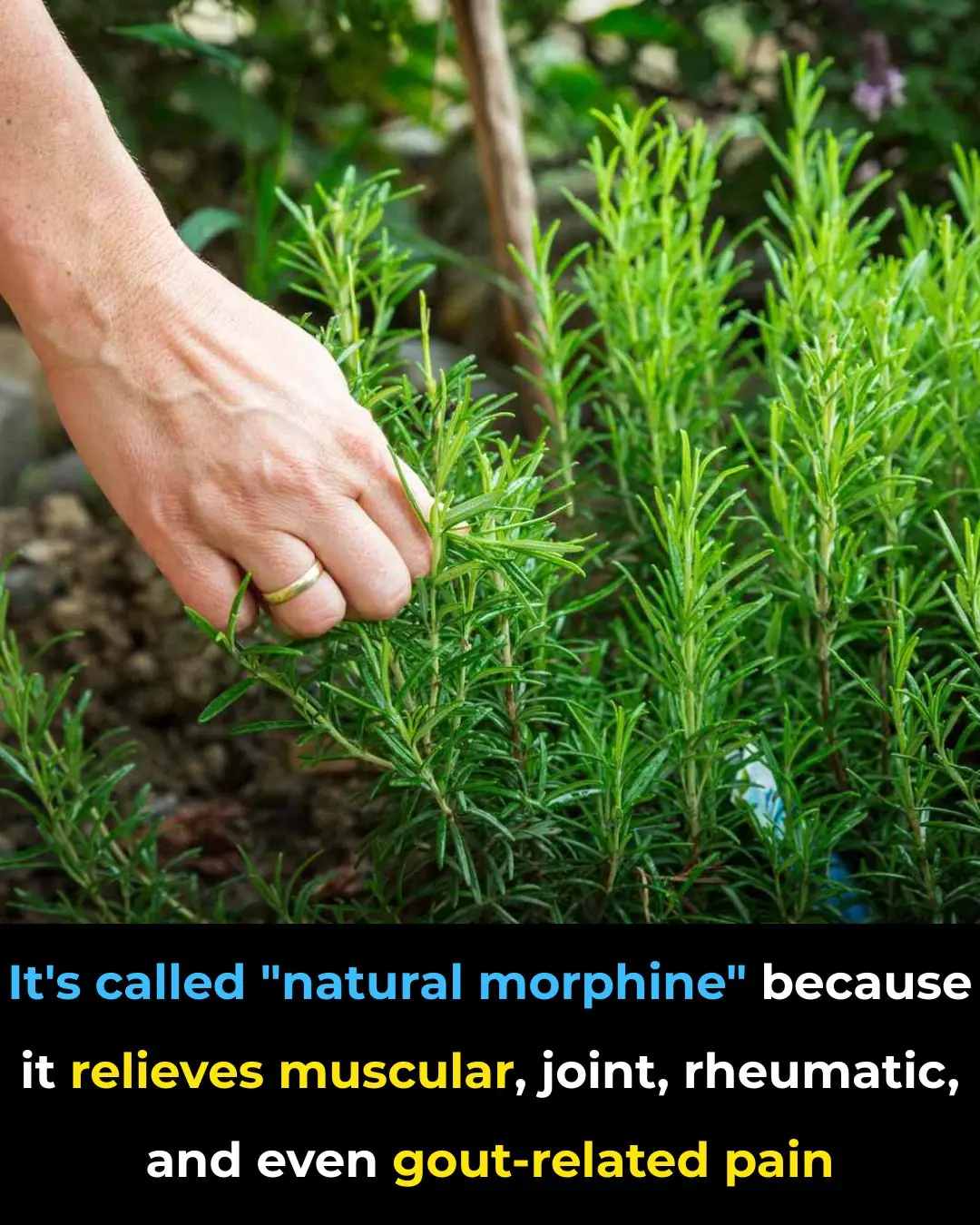
Rosemary is more than just a culinary herb—it is also an effective remedy for promoting circulation and easing muscle tension. Rosemary circulation balm is designed to warm muscles, stimulate blood flow, and relieve tight spots. This balm can be particularly helpful for those who suffer from poor circulation or muscle stiffness due to exercise or sitting for extended periods. Rosemary's stimulating effects can help reduce soreness and improve overall muscle health, making it an excellent option for post-workout recovery. (Source: Phytotherapy Research)
Peppermint Cooling Balm
Peppermint oil is renowned for its cooling, refreshing sensation, which makes peppermint balm perfect for relieving headaches, muscle tension, and sore feet. The menthol in peppermint provides an instant cooling effect, helping to alleviate discomfort and refresh the body. This balm is particularly useful for headaches or migraines, as it can be applied to the temples or the neck for quick relief. Peppermint’s ability to promote circulation and reduce muscle spasms also makes it ideal for relieving tension in the body. (Source: Complementary Therapies in Clinical Practice)
Plantain Drawing Balm
Plantain is a common herb that can be used to draw out toxins, splinters, and insect stings. Plantain balm is particularly useful for treating bug bites, minor wounds, and skin irritations. It helps to "pull" out foreign objects from the skin while soothing the area and reducing inflammation. The balm is beneficial for treating cuts, stings, and bites, as it accelerates the body’s natural healing processes. Its antimicrobial and anti-inflammatory properties also make it ideal for managing minor skin issues. (Source: Herbal Medicine: Biomolecular and Clinical Aspects)
Chamomile Comfort Balm
Chamomile is widely recognized for its ability to calm and soothe irritated skin. Chamomile balm is especially useful for sensitive skin or eczema flare-ups, providing relief from inflammation and redness. Chamomile’s anti-inflammatory properties help to soothe irritated areas and promote healing. This balm can be applied to skin affected by rashes, allergies, or even sunburns, as chamomile works to restore balance and reduce irritation. (Source: Phytomedicine)
Tea Tree Antimicrobial Balm
Tea tree oil is known for its powerful antimicrobial properties, making it an excellent option for treating minor cuts, acne spots, and fungal infections. Tea tree balm can be applied to areas prone to infection, such as cuts, blisters, and acne-prone skin, where it helps to prevent the growth of harmful bacteria. The antiseptic properties of tea tree oil have made it a staple in natural skincare for treating a wide range of skin concerns. (Source: Clinical Microbiology Reviews)
Eucalyptus Chest Balm
Eucalyptus oil is often used in remedies to treat respiratory issues, and eucalyptus balm is no exception. This balm is designed to open airways, ease congestion, and support clearer breathing during colds or respiratory infections. The menthol-like effect of eucalyptus helps to clear the nasal passages and promote easier breathing. It’s an excellent natural alternative to traditional chest rubs, offering relief without harsh chemicals. (Source: Journal of Ethnopharmacology)
Beeswax Repair Balm
Beeswax is a natural emollient that helps to lock in moisture and protect the skin from environmental damage. Beeswax repair balm is perfect for treating dry skin, cracked lips, and rough patches on the hands or feet. It provides a barrier to prevent moisture loss, keeping skin hydrated and smooth. Whether you're dealing with dry winter skin or need a quick remedy for cracked lips, this simple yet effective balm can help maintain skin health and prevent further irritation. (Source: International Journal of Cosmetic Science)
In conclusion, these 12 herbal balms are versatile and effective remedies that can be a valuable addition to your home first-aid kit. Whether you're dealing with a minor cut, muscle ache, or skin irritation, these balms offer natural solutions backed by centuries of traditional use and modern research. By incorporating these herbal remedies into your routine, you can promote healing, reduce discomfort, and support your body’s natural healing abilities.
Sources:
National Center for Complementary and Integrative Health (NCCIH)
American Herbalists Guild
Journal of Clinical and Aesthetic Dermatology
Journal of Medicinal Food
Frontiers in Pharmacology
Phytotherapy Research
Complementary Therapies in Clinical Practice
Herbal Medicine: Biomolecular and Clinical Aspects
Phytomedicine
Clinical Microbiology Reviews
Journal of Ethnopharmacology
International Journal of Cosmetic Science