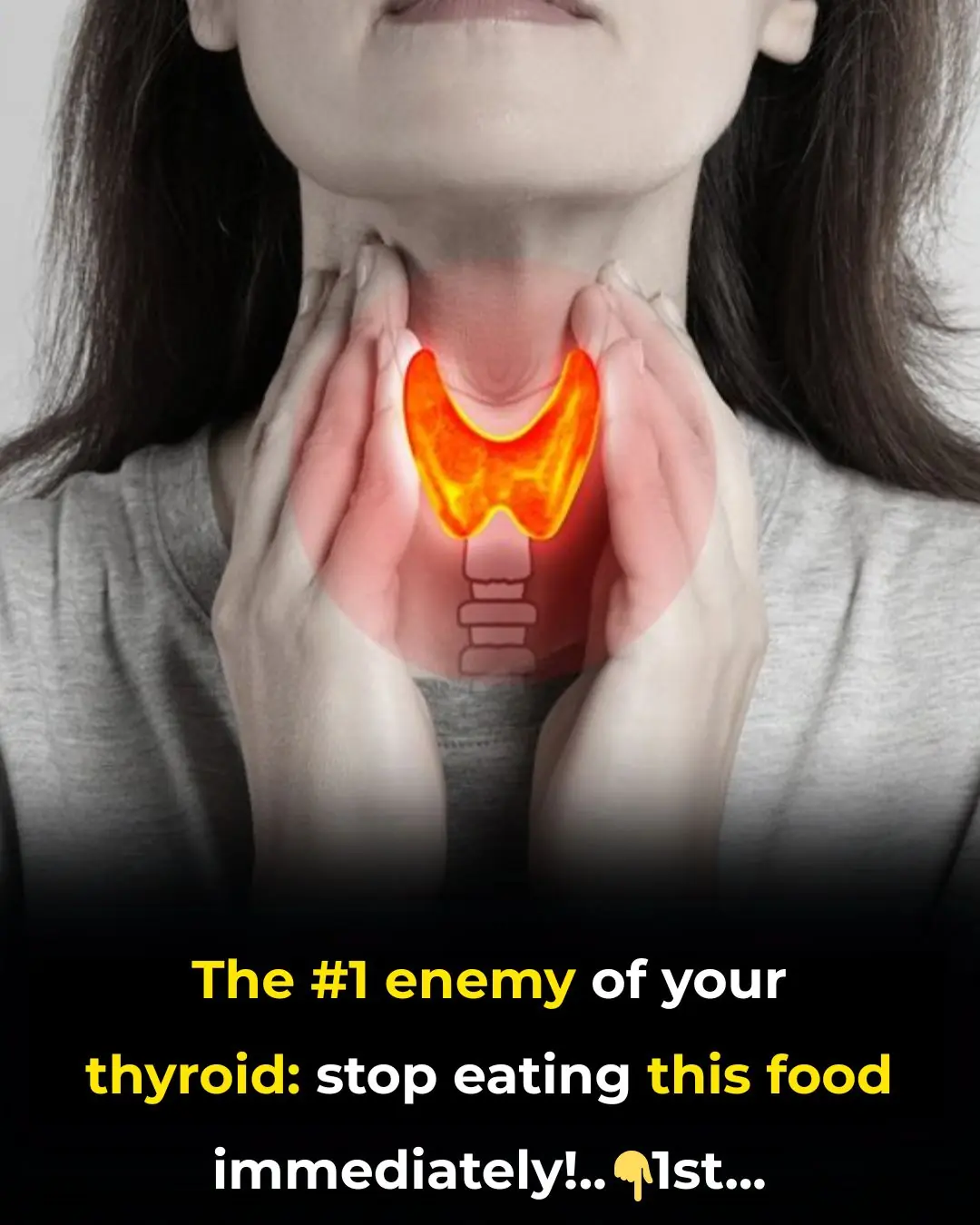
The #1 enemy of your thyroid: stop eating this food immediately!
Health 13/12/2025 22:42
You’ve probably eaten cassava more often than you realize.
Maybe it was blended into gluten-free breads, transformed into chewy tapioca pearls in your bubble tea, or served boiled like potatoes in stews and side dishes.
Cassava (Manihot esculenta) is one of the world’s most important crops—an energy-dense, drought-resistant root that sustains hundreds of millions of people across the tropics. For many communities, it’s not just a food source but a lifeline during harsh seasons and unpredictable climates.
Yet beneath this humble root lies a hidden risk:
👉 Certain varieties contain cyanogenic glycosides—natural chemicals that can release hydrogen cyanide when the plant is eaten raw or poorly processed.
And when cassava isn’t handled properly?
This everyday staple can turn dangerous, causing acute poisoning, neurological damage, and even community-wide outbreaks of disease.
Understanding why cassava can be hazardous—and how traditional methods eliminate these risks—is essential for safe and sustainable food security. Because nourishing people isn’t only about providing calories; it’s about ensuring those calories do no harm.
Cassava is a starchy tuber native to South America, now cultivated across Africa, Southeast Asia, and the Caribbean. It thrives in poor soils, tolerates drought, and provides reliable yields when other crops fail.
There are two main types:
| Type | Cyanide Level | Common Use |
|---|---|---|
| Sweet cassava | Low toxin levels | Eaten fresh, boiled, or roasted |
| Bitter cassava | High toxin levels | Must be thoroughly processed before eating |
📌 Bitter cassava is more drought-tolerant and higher-yielding, making it more widely grown—but also far more dangerous if mishandled.
Cassava naturally produces linamarin and lotaustralin, compounds that break down into hydrogen cyanide (HCN) when the plant cells are crushed, grated, chewed, or digested.
Your body can detoxify small amounts of cyanide.
But excessive exposure overwhelms this system and blocks the body’s ability to use oxygen at the cellular level.
💀 Just 50 mg of pure hydrogen cyanide can be fatal.
Headache
Dizziness
Nausea and vomiting
Rapid breathing
Confusion or convulsions
In severe cases: respiratory failure and death
Chronic exposure to low levels—common during drought or famine—can cause irreversible neurological damage, including a disease known as konzo.
Konzo (meaning “tied legs” in the Yaka language) is a sudden, permanent paralysis of the legs caused by long-term cyanide intake from inadequately processed bitter cassava.
Democratic Republic of Congo
Central African Republic
Tanzania
Mozambique
Women and children
People with limited access to clean water
Communities experiencing drought, displacement, or food shortages
📌 Outbreaks often appear after environmental stress or conflict, when traditional processing steps are skipped to save time or resources.
Konzo is entirely preventable, yet it continues to affect vulnerable communities due to poverty, lack of education, and climate pressures.
The encouraging news is that traditional food practices—passed down for generations—are remarkably effective at detoxifying cassava.
Here’s how different cultures make cassava safe:
Most toxins are concentrated in the peel.
➡️ Always remove it completely and discard thick outer layers.
Roots are submerged in water for 48–72 hours.
This process:
Leaches out up to 80% of cyanide
Allows fermentation that breaks down harmful compounds
🌍 Common in West Africa for foods like fufu and gari.
Grating ruptures cell walls, and pressing the pulp removes toxic juice.
🧺 Used in Brazil (farinha), Nigeria (lafun), and parts of Southeast Asia.
Sun-drying further reduces toxins as cyanide evaporates.
☀️ UV light also helps destroy residual compounds.
Boiling, roasting, or frying eliminates remaining cyanide.
🔥 Cassava should never be eaten raw or undercooked.
Even if you buy cassava pre-processed, these steps help ensure safety:
| Tip | Why It Matters |
|---|---|
| ✅ Buy from trusted suppliers | Commercial products like tapioca and frozen yuca are typically safe |
| ✅ Peel generously | Removes toxin-rich outer layers |
| ✅ Soak before cooking | Sweet cassava also benefits from soaking |
| ✅ Cook thoroughly | Boil at least 30 minutes; no firm center |
| ✅ Ensure ventilation | Cyanide gas can escape during cooking |
🚫 If cassava is a major staple in your diet, diversify with other grains and proteins to avoid chronic exposure.
Organizations such as the FAO, WHO, and CDC support communities by:
Promoting low-cyanide cassava varieties
Teaching safer processing methods
Providing mechanical grinders and presses
Conducting awareness campaigns
Developing biofortified, reduced-toxin cultivars
These initiatives strengthen food security without sacrificing safety.
| Myth | Truth |
|---|---|
| “All cassava is dangerous.” | ❌ Properly processed cassava is safe and nutritious. |
| “Only wild cassava is toxic.” | ❌ Cultivated bitter varieties can be high in cyanide. |
| “Tapioca pearls are unsafe.” | ❌ Commercial production includes detoxification steps. |
| “You can smell the poison.” | ❌ Cyanide from cassava may not have a noticeable scent. |
You don’t need to fear cassava—especially when it is prepared with traditional knowledge, scientific understanding, and proper care.
But you should respect it.
The next time you stir tapioca pudding, fry yuca wedges, or enjoy bubble tea, take a moment to appreciate the wisdom behind each safe bite.
Real nourishment comes from more than calories.
It comes from the harmony of tradition and science—two forces working together to keep communities healthy around the world.
And that kind of wisdom grows deeper than any root ever could.


![Reduce Foot And Ankle Swelling [Top 9 Causes]](https://onplusnewscom.8cache.com/onplusnewscom/images/2025/12/13/1765633594jVo6Fro3lO.webp)