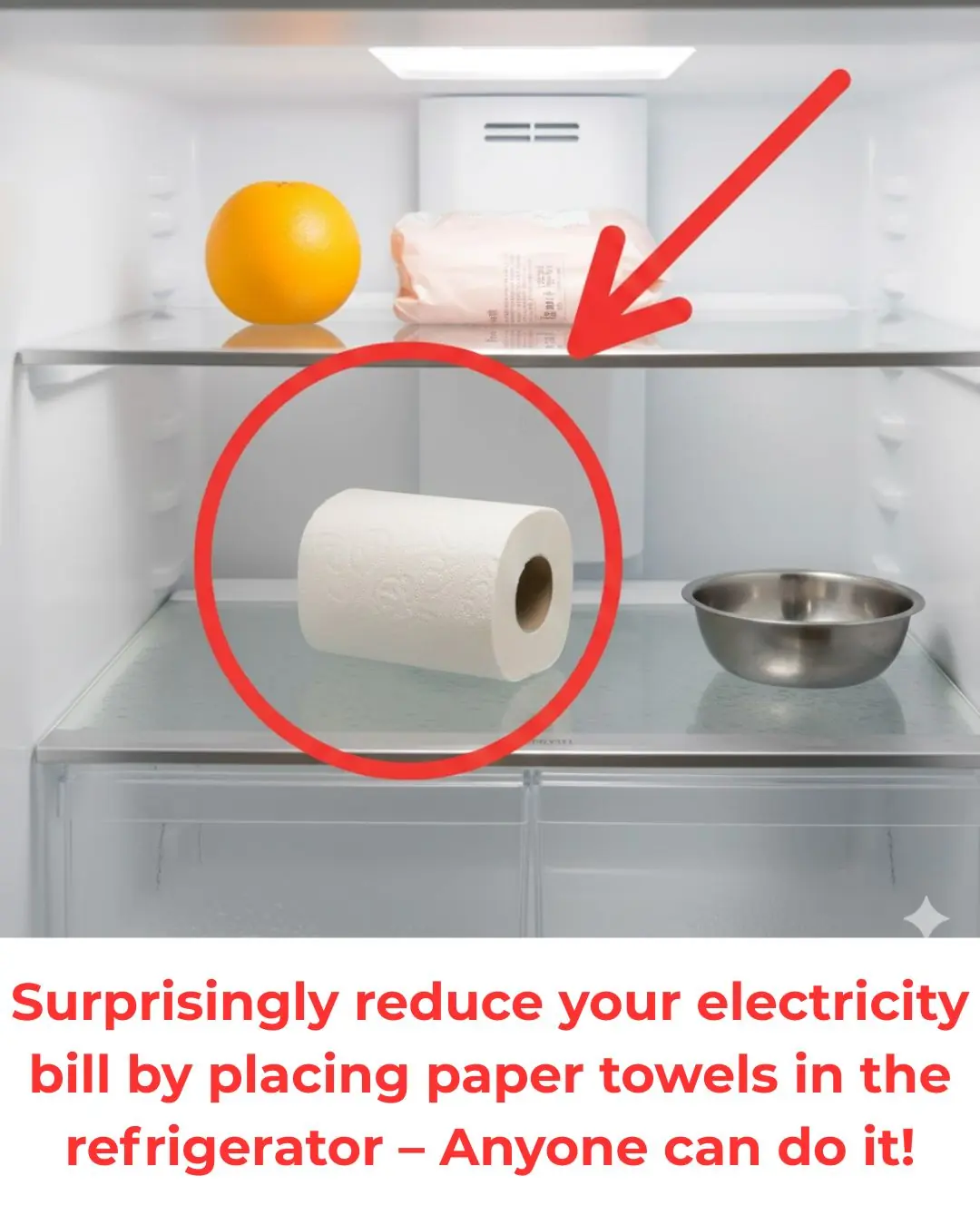
Surprisingly reduce your electricity bill by placing paper towels in the refrigerator – Anyone can do it!
Tips 14/12/2025 12:52
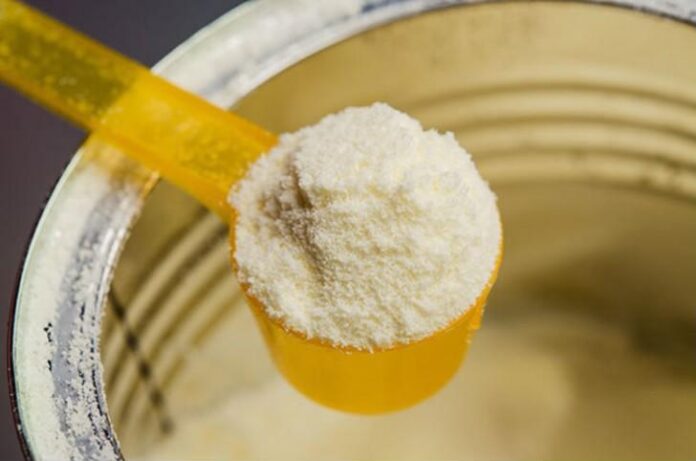
To tell the difference between genuine and counterfeit milk powder, mothers only need to prepare a glass of cold water and follow the simple steps below.
Nowadays, the market is flooded with fake and low-quality milk powder products that are sold openly in many places. Since a child’s digestive system is still underdeveloped, consuming counterfeit milk powder that lacks essential nutrients or is made from unknown ingredients can lead to malnutrition, stunted growth, and even serious digestive problems. In some cases, it may cause long-term health consequences that affect a child’s overall development.
For this reason, it is extremely important for parents—especially mothers—to know how to distinguish real milk powder from fake products in order to protect their child’s health and safety.
Below are several practical and easy-to-follow methods to identify low-quality or counterfeit milk powder.
Understanding how to examine the outer appearance of the milk container is the first step in detecting fake products.
– Packaging design:
Genuine milk powder usually comes in packaging with sharp, clear, and well-defined printing. The colors are balanced and not overly bright. In contrast, fake products often have dull or unusually vivid colors, blurred patterns, or poorly printed text.
– Barcode inspection:
Mothers can check the product’s country of origin by looking at the barcode printed on the package. Some common barcode prefixes include:
00–13: USA & Canada
49: Japan (JAN – 13)
45: Japan (also 49)
50: United Kingdom
30–37: France
40–44: Germany
471: Taiwan
489: Hong Kong
690–692: China
888: Singapore
880: South Korea
94: New Zealand
93: Australia
885: Thailand
893: Vietnam
Although barcodes alone cannot guarantee authenticity, they are an important reference when combined with other checks.
– Expiration date:
Authentic milk powder usually has the expiration date embossed or clearly printed on the can. The text is sharp, legible, and free from signs of tampering. Fake or expired products often show blurred dates, overwritten numbers, or traces of erasing. Mothers should always carefully check the expiration date before purchasing to ensure the product is fresh and safe for their baby.

As counterfeit production techniques become increasingly sophisticated, it is essential to inspect the milk powder again after opening the can.
– Color and appearance:
Genuine milk powder typically has a light yellow color and looks fine and even. Fake milk powder often appears dark yellow, grayish, or clumpy.
– Smell and taste:
Real milk powder has a mild, pleasant aroma. Fake milk powder may smell overly strong, sour, or musty, indicating poor-quality ingredients.
– Texture test:
When rubbed between the fingers, genuine milk powder feels soft, smooth, and dissolves easily. Fake milk powder usually has larger grains, feels rough, and does not break down smoothly.
– Cold water test:
Add one spoon of milk powder to a glass of cold water. Genuine milk powder will float on the surface and dissolve very slowly. In contrast, fake milk powder tends to dissolve quickly or sink directly to the bottom.
– Hot water test:
Mix one spoon of milk powder with hot water. Genuine milk powder will float and require stirring to dissolve completely. After stirring, let it sit for about five minutes—there should be no sediment at the bottom. Fake milk powder, however, may dissolve instantly without stirring but later form sediment at the bottom of the cup.
By combining these methods—checking the packaging, inspecting the milk powder itself, and performing simple water tests—parents can significantly reduce the risk of purchasing counterfeit products. Taking a few extra minutes to verify milk powder quality can help ensure that children receive the nutrition they need for healthy growth and development.