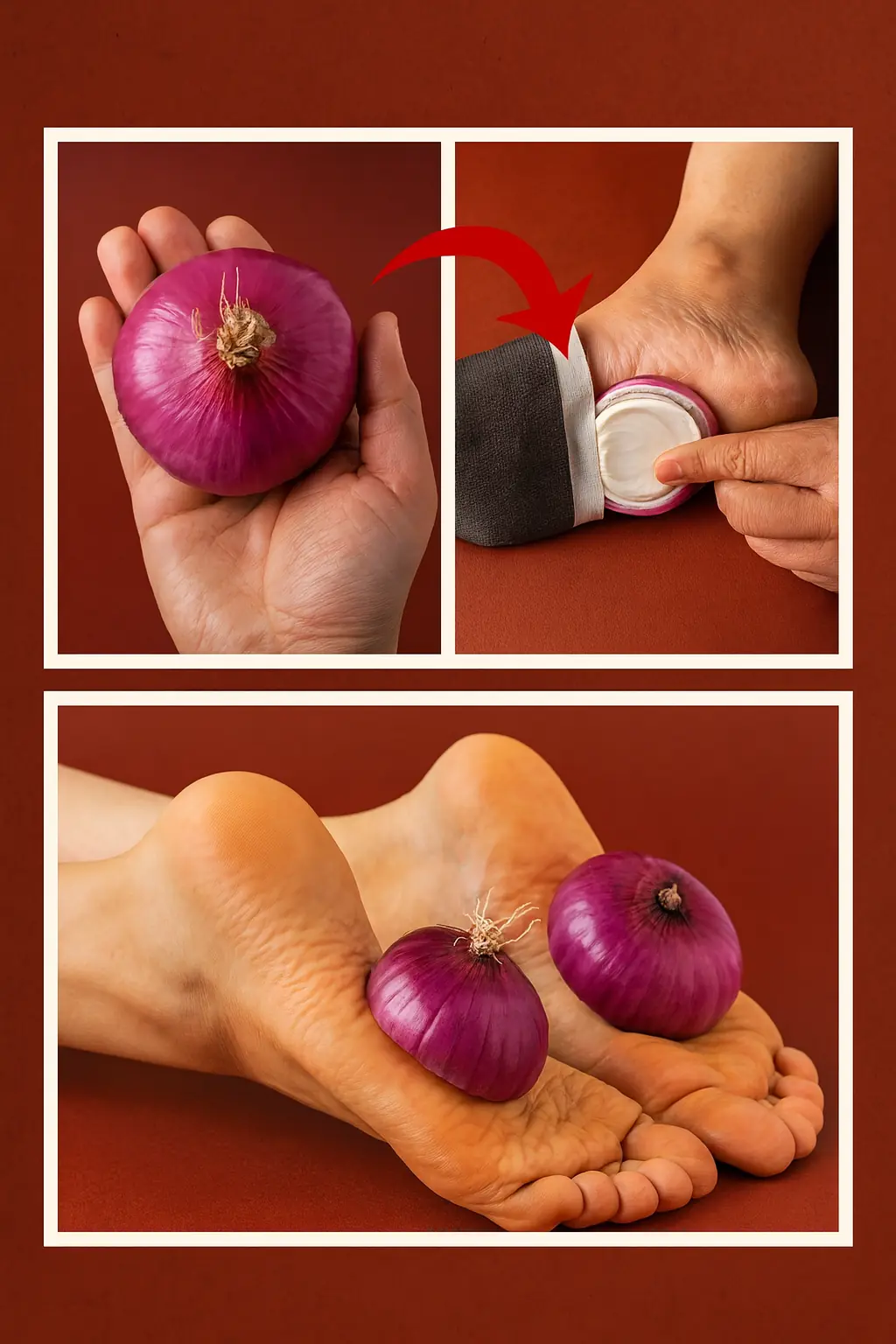
Sleeping with Onion Slices in Your Socks: A Curious Wellness Trend Explained
Health 15/12/2025 02:37
Heart disease is often perceived as a condition that primarily affects men, yet it remains the leading cause of death among women worldwide. One of the most dangerous aspects of heart disease in women is that its symptoms are frequently subtle, atypical, or easily mistaken for everyday stress, aging, or minor illness. Unlike the dramatic chest pain commonly portrayed in men, women are more likely to experience “silent” warning signs that delay diagnosis and treatment.
One common symptom is unusual fatigue. Women may feel extreme, persistent tiredness that does not improve with rest. This type of fatigue can appear weeks before a cardiac event and is linked to reduced blood flow to the heart. Another overlooked sign is shortness of breath, which may occur even during light activity or while lying downապարակ.
Women also frequently report neck, jaw, shoulder, or upper back pain rather than classic chest pain. These discomforts are often intermittent and may feel like muscle tension, leading many women to dismiss them. Chest pressure or tightness, when present, may feel more like fullness or squeezing rather than sharp pain.
Digestive symptoms are also common. Nausea, vomiting, indigestion, or abdominal discomfort can signal reduced oxygen delivery to the heart. These symptoms are often confused with food poisoning or acid reflux. Similarly, dizziness or lightheadedness may result from sudden changes in blood pressure or heart rhythm disturbances.
Another subtle sign is cold sweats unrelated to exercise or temperature. Hormonal differences and autonomic nervous system responses make this symptom more common in women during cardiac distress. Sleep disturbances, including insomnia or frequent nighttime awakenings, have also been associated with increased cardiovascular risk.
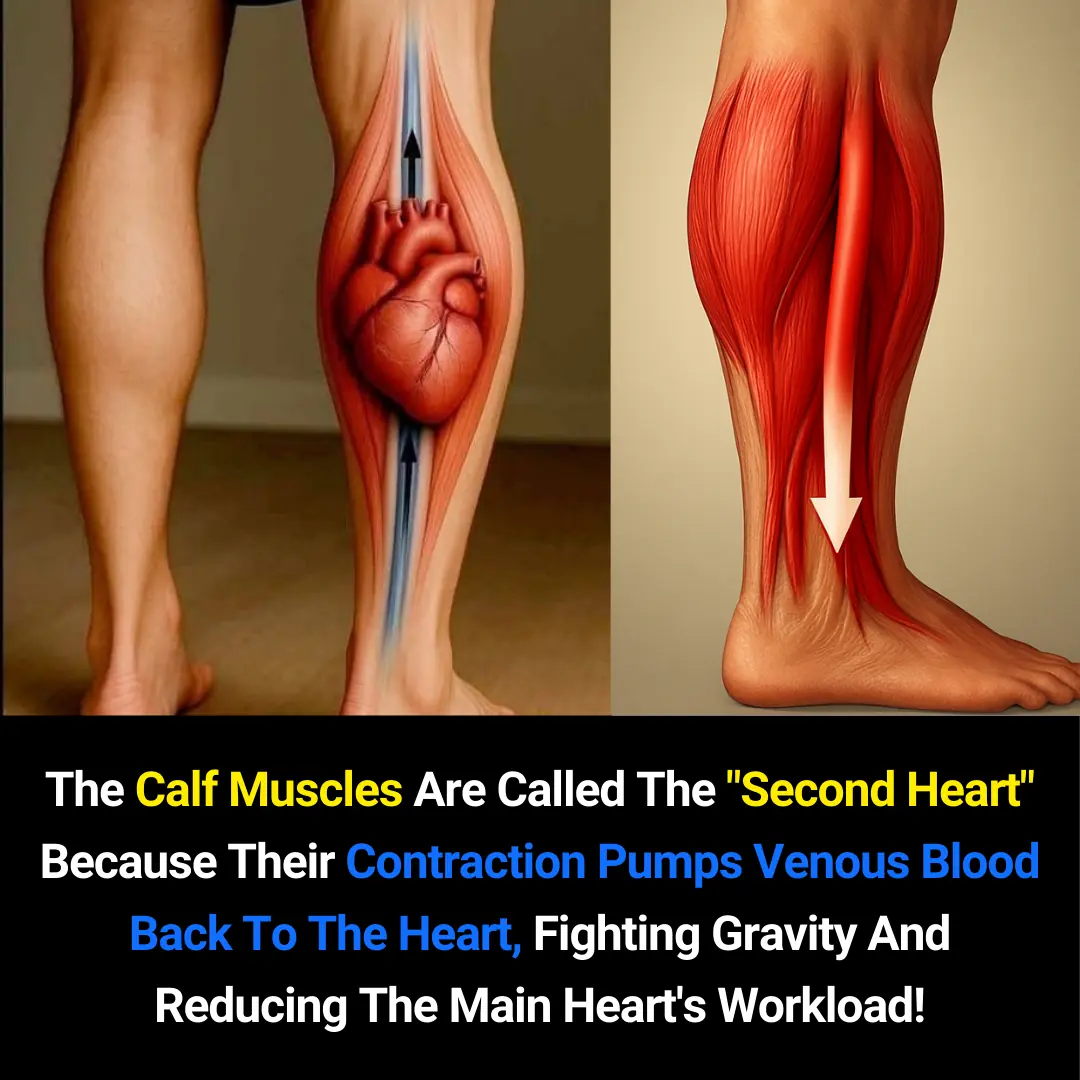
Some women experience swelling in the legs, ankles, or feet, indicating fluid retention caused by a weakened heart. Anxiety or a sense of impending doom may also occur, reflecting stress hormone release during heart dysfunction. Finally, unusual headaches or sudden weakness can be warning signs of vascular involvement.
Scientific research confirms that women’s heart symptoms are often underrecognized. According to the American Heart Association, women are more likely than men to present with non-chest-pain symptoms during heart attacks, contributing to delayed treatment and poorer outcomes. Studies published in the Journal of the American Medical Association (JAMA) show that women experiencing atypical symptoms are less likely to receive timely cardiac care. The Centers for Disease Control and Prevention (CDC) also emphasizes that awareness of sex-specific symptoms is critical for early detection and prevention.
In conclusion, understanding these silent symptoms can save lives. Women should trust their bodies, seek medical attention for unexplained changes, and advocate for thorough cardiovascular evaluation. Early recognition, combined with lifestyle modifications and preventive care, plays a vital role in reducing heart disease mortality among women.