Facts 24/01/2026 10:50
Scientists discover that stem cells from wisdom teeth could help in regenerative medicine

Wisdom Teeth: More Than Just Pain? A New Perspective on Their Role in Regenerative Medicine
Wisdom teeth are often associated with discomfort, swelling, and dental procedures many people would rather avoid. However, this time, experts are offering a very different perspective—one that positions these often-problematic teeth as a promising resource for regenerative medicine.
Throughout life, the human body undergoes numerous changes, particularly physical ones. Some of these changes are obvious, while others are less expected, such as those occurring in the oral cavity. Teeth evolve over time, and the appearance of new molars can significantly impact overall dental health.
Teeth play an essential role in everyday life, allowing us to chew and swallow food properly. At the same time, they can become a real source of trouble when one begins to cause pain or malfunction. Still, dental discomfort does not always indicate something negative. A clear example is the eruption of wisdom teeth, which are well known for appearing later than other teeth.
Wisdom teeth, also known as third molars, are located at the back of the mouth and are the last teeth to emerge in adulthood. According to the Mayo Clinic, impacted wisdom teeth can cause pain, damage surrounding teeth, and lead to other oral health problems. Because of this, many people view them negatively and associate them mainly with dental pain and surgical removal.
However, experts now suggest that wisdom teeth may be far more valuable than previously thought—and science is beginning to explain why.
Wisdom Tooth Cells as an Alternative for Regenerative Medicine
To begin with, regenerative medicine is a rapidly developing field that aims to restore the structure and function of damaged or diseased tissues and organs through cellular repair and regeneration. This area of medicine offers significant hope for patients who require tissue reconstruction or recovery of lost bodily functions.
According to UNAM Global, stem cells found in wisdom teeth could represent a highly effective alternative for regenerative medicine. But how is this possible?
Experts explain that the dental pulp of wisdom teeth contains multipotent stem cells. These cells are capable of contributing not only to dental treatments but also to the management of various systemic diseases. In simple terms, stem cells extracted from wisdom teeth have the ability to transform into different types of cells, including those responsible for forming bone tissue.
This discovery is particularly important because wisdom teeth are often extracted and discarded, despite their potential medical value. However, for the cells to be useful, the tooth must be completely healthy. After extraction, the tooth must be processed within a period of 12 to 24 hours to preserve cell viability.
Once processed, the dental pulp is removed, and the stem cells are isolated, replicated, and activated. These cells are then prepared in a gel-like substance and loaded into a syringe. According to UNAM Global, this gel can contain between 5,000 and 10,000 stem cells, which are applied directly to the site of a bone defect during a surgical procedure.
Experts emphasize that the benefits of this process are not limited to dentistry alone. Ongoing research is exploring the potential use of these stem cells in the treatment of diseases such as Parkinson’s, various types of cancer, and other degenerative conditions. While further studies are still needed, the findings so far suggest that wisdom teeth—once seen only as a nuisance—could play a key role in the future of regenerative medicine.
News in the same category
Rethinking Flu Transmission: New Evidence Challenges Long-Held Assumptions
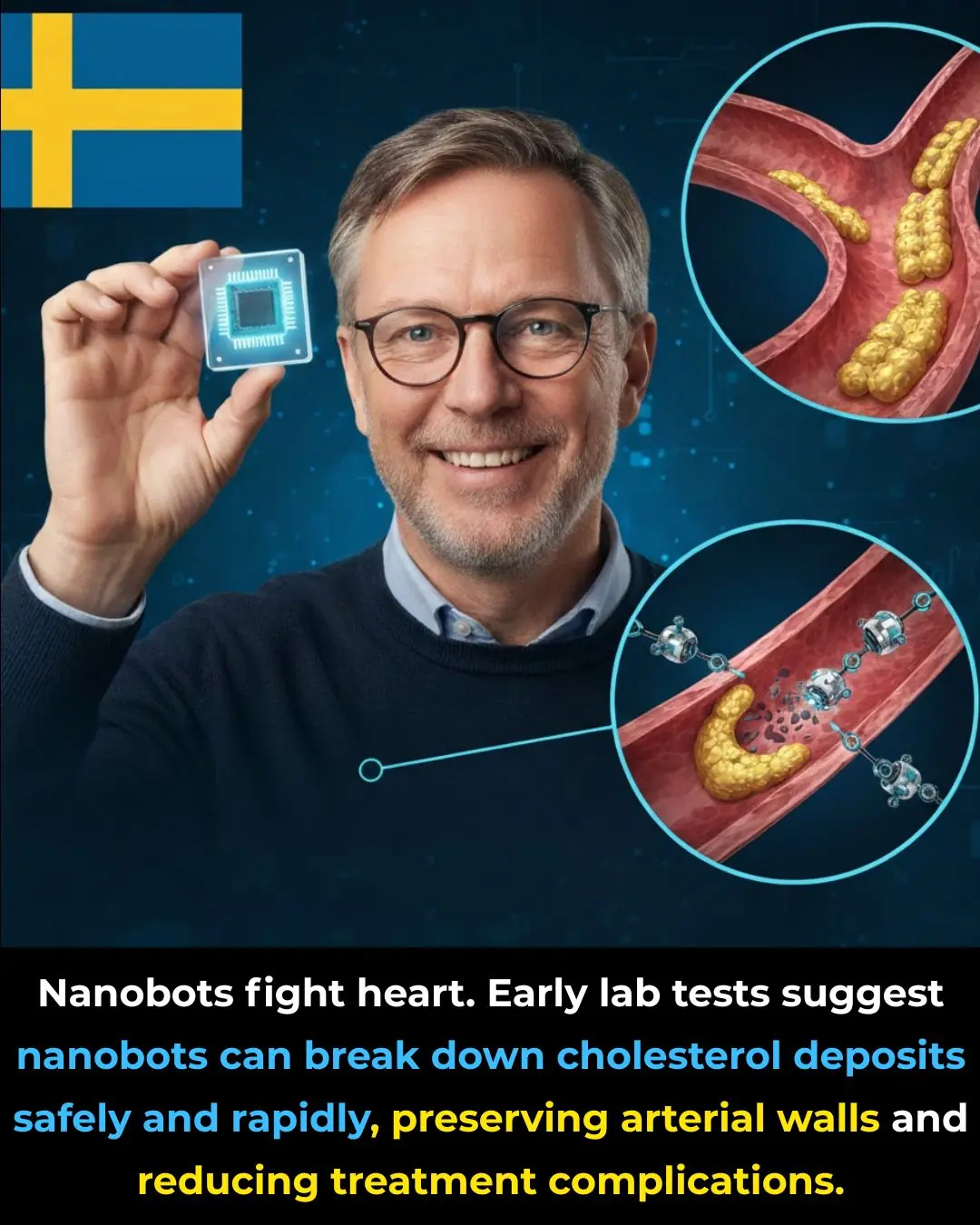
Nanobot Technology: A New Frontier in Cardiovascular Disease Treatment
Redefining Diabetes Treatment

If your partner says goodbye with a kiss on the forehead, be very careful: this is what it really means

Here’s what the letter ‘M’ and the crescent moon on the palm of your hand truly signify
How Helicobacter pylori Revolutionized the Understanding of Stomach Ulcers
New Research Raises Brain Health Concerns About a Common Sweetener
🌟 Breakthrough in Cancer Treatment: Targeted Light Therapy

HHS to Reexamine Cell Phone and 5G Radiation Risks Following Direction From RFK Jr
Injectable Gel for Nerve Regeneration: A Breakthrough in Healing
Processed Meats and Cancer Risk: What You Need to Know
Microplastics in Human Testicles: A Wake-Up Call for Reproductive Health

A Geologist Explains What Makes Greenland So Incredibly Special
They Successfully Cured HIV in a 60-Year-Old German Man Using a Stem Cell Transplant; He Has Been Disease-Free for 6 Years

A study shows that oxytocin, the ‘love hormone,’ can help regenerate the heart after injury.

Renewable Energy Boom Drives Down Electricity Prices in Australia

Male humpback whale crossed 3 oceans for sex, inadvertently breaking distance record for species
Lithium deposit valued at $1.5 trillion has been discovered in the U.S.
News Post
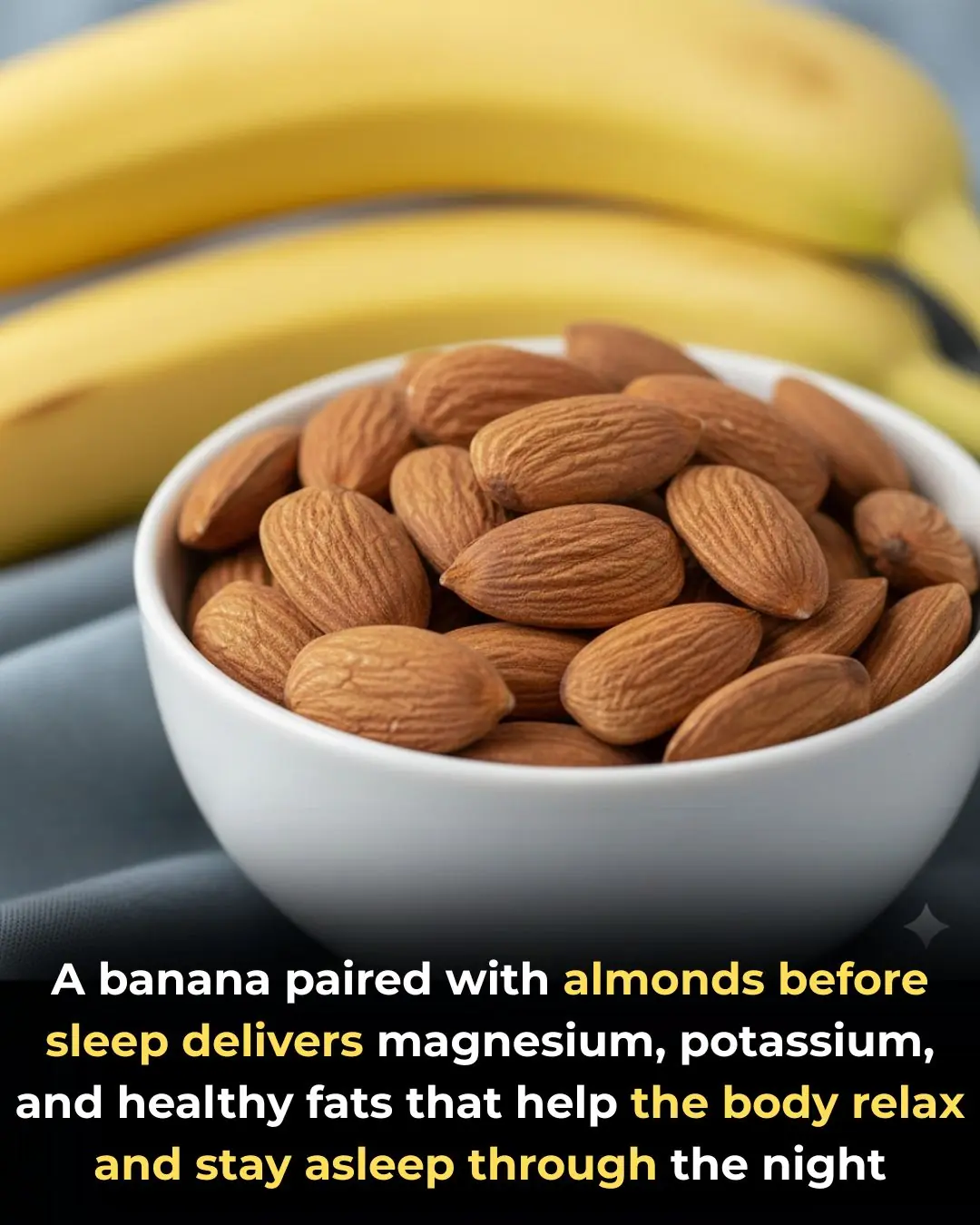
Eating a Banana With Almonds Before Bed May Help Your Body Relax and Stay Asleep Longer
Health 24/01/2026 10:48

Why Did the Police Dog Refuse to Attack This Man?
Life stories 24/01/2026 09:14

At my father’s birthday party, he struck me across the face and shouted, “You’ve shamed this family.
Life stories 24/01/2026 09:11

Spiny Amaranth (Amaranthus spinosus): Benefits, Risks, and Safe Uses
Health 23/01/2026 23:26
“I’ve Scanned 250,000 Brains”: These 5 Foods Can Make Your Brain Feel Younger in Just 2 Months
Health 23/01/2026 23:22

Avocado Seed Tea with Hibiscus Flower: The Homemade Remedy That Can Transform Your Health
Health 23/01/2026 23:11

A Businesswoman Scolded a Beggar for Touching Her Car — Then Saw His Bracelet
Life stories 23/01/2026 22:34

The Truth Behind the Wall — Max Knew It All, but No One Listened.
Life stories 23/01/2026 22:28

AFTER 15 YEARS OF RUNNING MY BUSINESS IN THE UK, I RETURNED TO GEORGIA AND FOUND MY DAUGHTER LIVING AS A MAID IN THE $4M MANSION I LEFT HER.
Life stories 23/01/2026 22:26

FATE STEPS IN
Life stories 23/01/2026 22:22

THE NIGHT IN CORRIDOR C
Life stories 23/01/2026 22:19

WRONG GIRL. WRONG BROTHER.
Life stories 23/01/2026 22:11
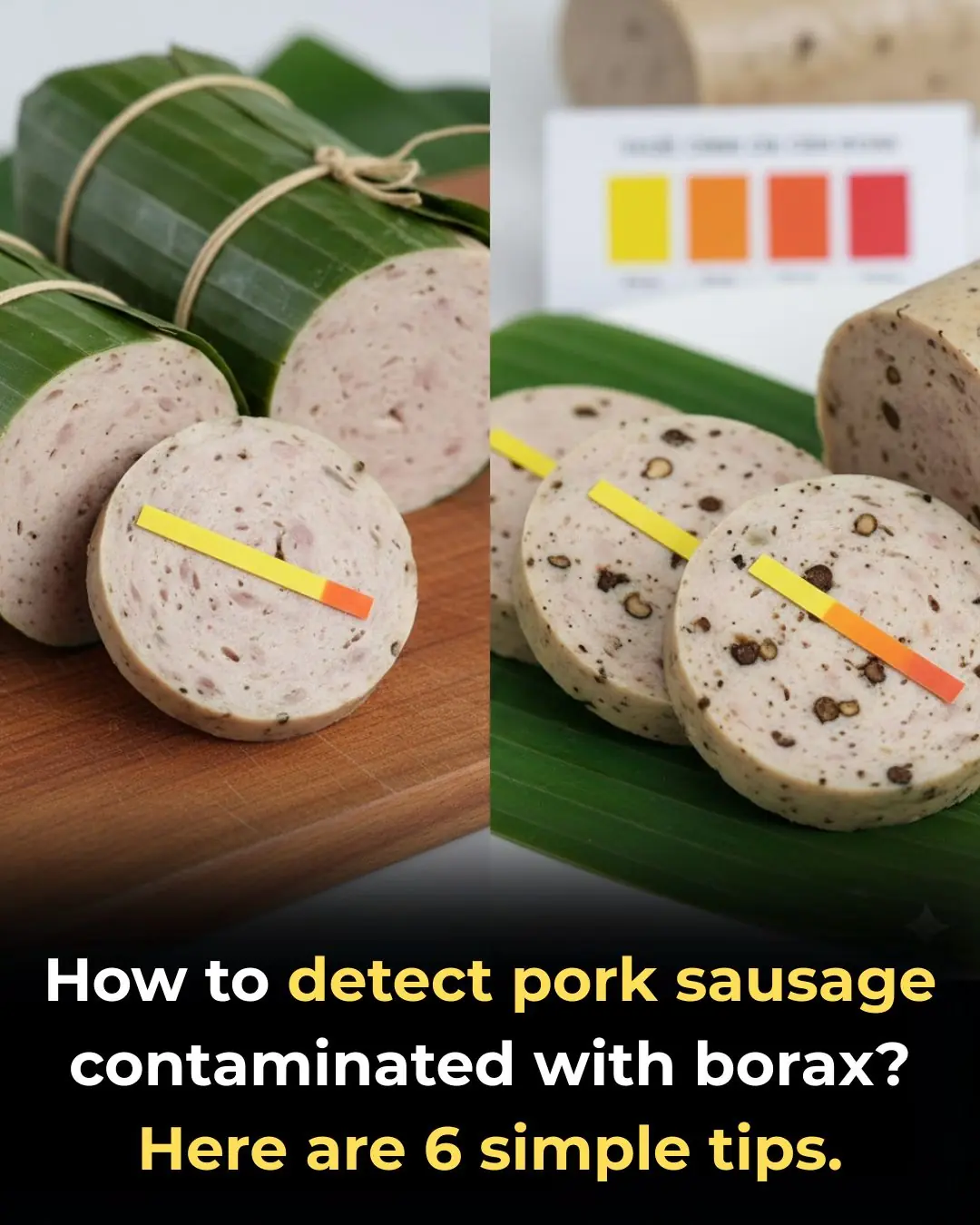
How to detect pork sausage contaminated with borax? Here are 6 simple tips.
Tips 23/01/2026 20:32

Stepmother Forced Poor Orphan To Marry Poor Man But They Knew He Was A Billionaire
Life stories 23/01/2026 20:10

Billionaire Sees His Poor Employee Feeding Disabled People, What He Did Next Made Her cry
Life stories 23/01/2026 20:03

She Was Married Against Her Will — Life Took an Unexpected Turn
Life stories 23/01/2026 20:00

Billionaire had a one night stand with her, months later he saw her stranded and begging in the rain
Life stories 23/01/2026 19:57

They Mocked Her for marrying A Mad Man – Unaware He is a Billionaire in Disguise
Life stories 23/01/2026 19:53

Seven Months Pregnant, Left at a Bus Stop With One Loaf of Bread… Until a Stranger Stopped
Life stories 23/01/2026 19:52