Seasonal allergies—often referred to as hay fever or allergic rhinitis—affect millions of people every year, especially during spring and autumn. Although they’re not life-threatening, they can significantly disrupt daily activities, sleep, and overall comfort. Understanding the underlying triggers and early symptoms can help you manage seasonal allergies much more effectively.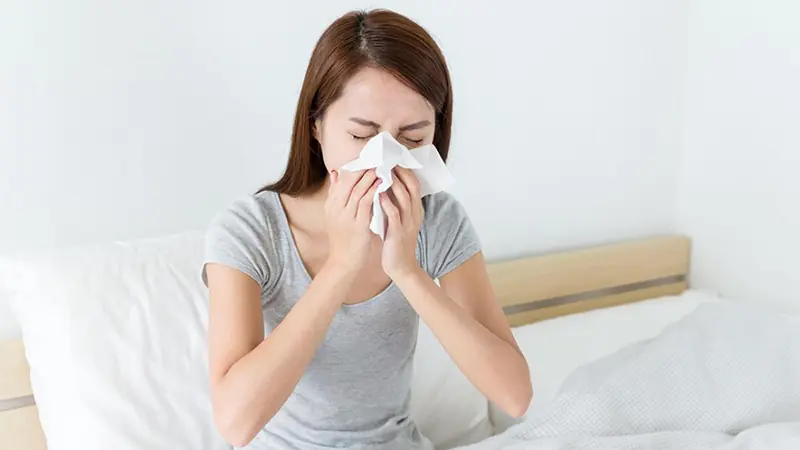
What Causes Seasonal Allergies?
Seasonal allergies occur when the immune system overreacts to airborne allergens such as:
-
Pollen (trees, grasses, weeds)
-
Mold spores
-
Dust and environmental particles that increase during seasonal changes
When these particles enter your body, your immune system identifies them as harmful and releases chemicals, particularly histamine, that cause inflammation.
Common Symptoms of Seasonal Allergies
1. Sneezing Fits
Sudden, repetitive sneezing is one of the most recognizable signs.
2. Runny or Stuffy Nose
Allergies often lead to clear nasal discharge and persistent congestion.
3. Itchy, Watery Eyes
Histamine release makes your eyes tear up and become irritated.
4. Postnasal Drip
Mucus running down the back of the throat can cause coughing or a “tickle” sensation.
5. Fatigue
Constant inflammation makes your body work harder, draining energy.
6. Headaches
Sinus pressure from congestion can trigger headaches.
Who Gets Seasonal Allergies?
Although anyone can develop them, risk is higher in:
-
Individuals with a family history of allergies
-
People with asthma
-
Those living in areas with high pollen counts
-
Individuals exposed to pollution
How Seasonal Allergies Affect Your Daily Life
Untreated allergies can impact:
-
sleep quality
-
focus and productivity
-
mood and stress levels
-
sinus health
-
asthma symptoms (can worsen considerably)
Even mild allergies, when chronic, can affect overall well-being.
Understanding Pollen Seasons
Different plants release pollen at different times:
-
Spring: Tree pollen
-
Summer: Grass pollen
-
Fall: Weed pollen
-
Humid weather: Mold spores
Tracking seasonal changes helps predict flare-ups.
Diagnosis
Doctors may perform:
-
Skin prick tests
-
Specific IgE blood tests
-
Nasal endoscopy (if symptoms persist)
Relief Tips and Management Strategies
1. Reduce Exposure
-
Stay indoors during high pollen hours (early morning)
-
Keep windows closed
-
Shower after being outdoors
-
Use HEPA air purifiers
2. Natural Relief Options
-
Saline nasal rinse
-
Steam inhalation
-
Hydration
3. Over-the-Counter Relief
-
Antihistamines
-
Nasal corticosteroids
-
Decongestants (short-term use only)
4. Long-Term Solutions
Immunotherapy (allergy shots or drops) reduces sensitivity over time.
When to See a Doctor
Seek medical advice if:
-
Symptoms last more than 4 weeks
-
OTC medications stop working
-
You develop wheezing or breathing difficulty
-
Sinus infections occur repeatedly
Medical Disclaimer
Information here is educational and not a replacement for professional healthcare advice.