The box was an inch and three-quarters on each side.
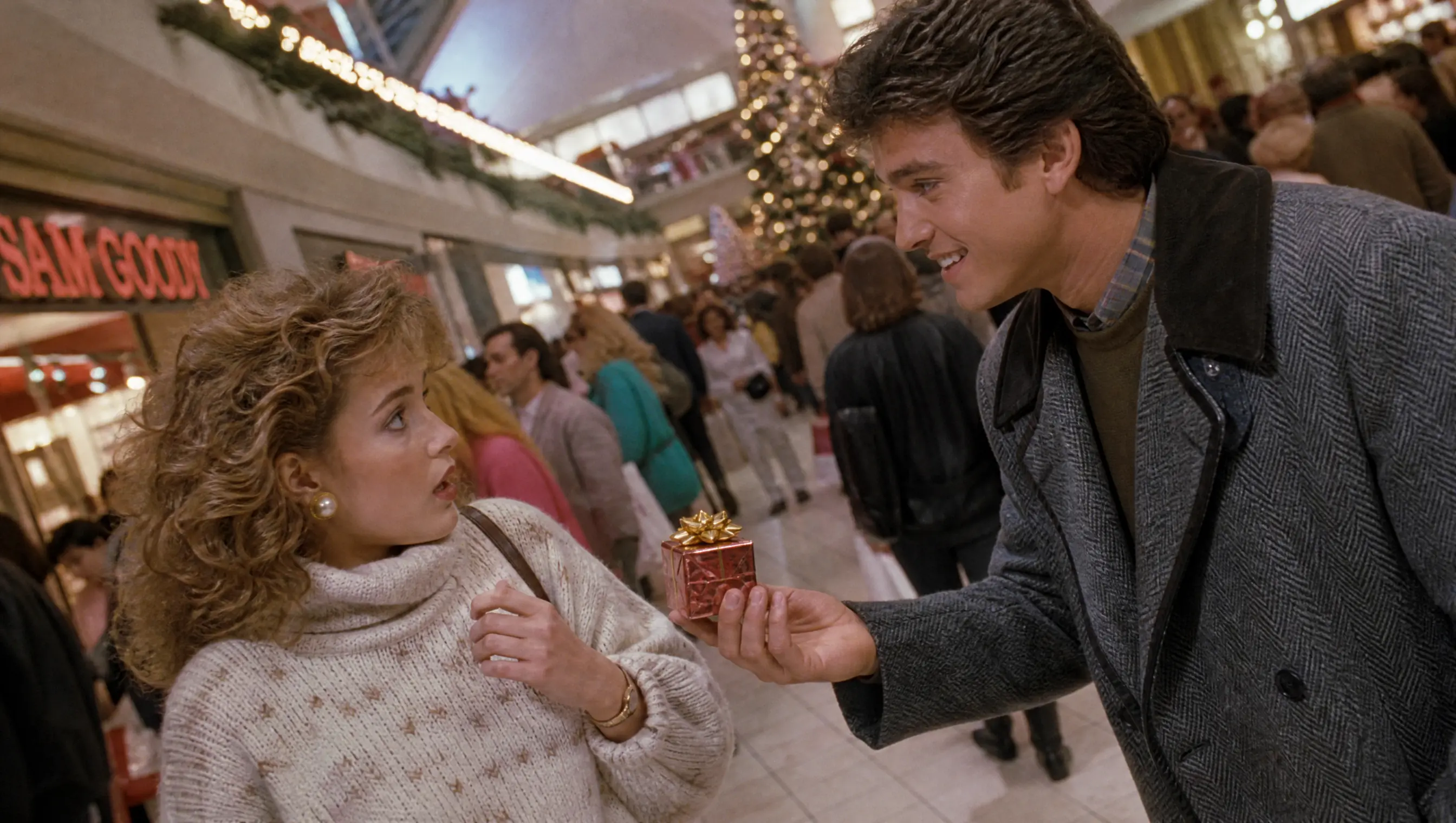
I know because I measured it twice at the counter of the hardware store on Division, where I bought it from a bin of little white jewelry boxes that the cashier said nobody ever bought, and then I measured it again at my kitchen table with the tape I use for piano keys, because I wanted to be sure the knight would fit standing up. It did, with a sixteenth of an inch to spare above its ears.
I lined the bottom with a scrap of green felt I cut from an old hammer rail, wrapped the box in silver paper with tiny blue snowflakes on it, and tied it with red thread because ribbon looked ridiculous on something that small. On the tag, which I cut from an index card and which was, frankly, larger than the gift, I wrote: Torben. Twenty-four years late. I'm sorry. G.
Then I put the box in the outside pocket of my coat, the one with the zipper, so I would not lose it, and I carried it around in that pocket for nine days, zipping and unzipping and touching it the way you touch a sore tooth with your tongue, and on the tenth day, which was the nineteenth of December and a Saturday, I took it out of the zipper pocket at Riverbend Commons because I wanted to look at it while I drank a peppermint mocha I did not need, and I dropped it over a railing.
I want to say in my defense that the railing at Riverbend Commons is an architectural crime. The mall has two levels arranged around a long open atrium, and some developer in the nineties decided the upper level should be bordered by a waist-high glass balustrade topped with a flat brass rail about four inches wide. It is exactly the width of a coffee cup. It is, you could argue, an invitation. Every December they hang enormous white snowflakes from the skylights on fishing line, so that the whole atrium looks like a snow globe somebody forgot to shake, and the brass rail is where people stand to take pictures of the snowflakes, and where they set down their drinks, and where, it turns out, they set down tiny boxes.
I had shopping bags hanging from both elbows. I had a gift card for my niece Liv in a paper sleeve between my teeth, because I had just bought it and had not yet figured out where to put it. I had the mocha in my left hand and the box in my right, and I set the box on the rail so that I could take the gift card out of my mouth, and a boy of perhaps eleven in a Seahawks beanie came barreling past me after his brother with a foam sword, and his elbow caught my elbow, and my elbow caught the shopping bag, and the shopping bag swung into the rail, and the box went over.
It is strange what you notice. I noticed that the box did not fall straight. It tumbled, end over end, silver and blue, and caught the light from one of the big snowflakes, and for a second it was so pretty I almost forgot to be horrified. Then I remembered. Inside that box was eleven months of my evenings. Inside that box was a white knight carved out of a block of boxwood I had bought from a luthier in Portland, sanded with paper so fine it felt like cloth, finished with shellac and beeswax, and shaped, from three photographs and one memory, to match a chess set my grandfather Torvald had carved in a fishing cabin outside Bemidji in 1961. Inside that box was the first thing I had tried to say to my brother in three years.
I said, out loud, to nobody, "No, no, no, no."
The atrium below was full. It was the Saturday before Christmas, two in the afternoon, and the lower level of Riverbend Commons was a slow river of coats. Right below the balustrade, where the box was falling, was the North Pole Village, which is what the mall calls a plywood cottage with a fake chimney and a throne in front of it and a long line of families zigzagging between red velvet ropes. I watched the box drop toward the line. I watched it drop toward the hard tile floor. I watched it drop toward, specifically, a tall man in a gray canvas work jacket and a knit cap the color of a traffic cone, who was standing in the line alone, looking at his phone, holding a paper cup of pretzel bites with cheese.
I yelled, "Heads up!" which is a stupid thing to yell, because people look up.
He looked up. I will remember that for the rest of my life, the way he looked up, not startled, not ducking, but with an expression of mild professional interest, like a man who has had a lot of things come at him in his life and has learned to assess each one before reacting. He tracked the box for perhaps half a second. Then he took one step to his left, lifted the hand that was not holding the pretzels, and caught it.
He caught it the way you would catch a set of keys someone tossed you across a room. Open palm, soft wrist, no fuss. He looked at it. He looked up again, found me leaning over the balustrade with a gift card hanging out of my mouth, and raised his eyebrows.
I took the gift card out of my mouth. "That's mine," I called.