I.
The first letter from the Earl of Carrowby arrived in Bath on the ninth of June, 1816, on a morning so cold that the maids had lit the fire in the back drawing room at Laura Place and then stood about apologising for it, as though it were a moral failing to want warmth in summer.
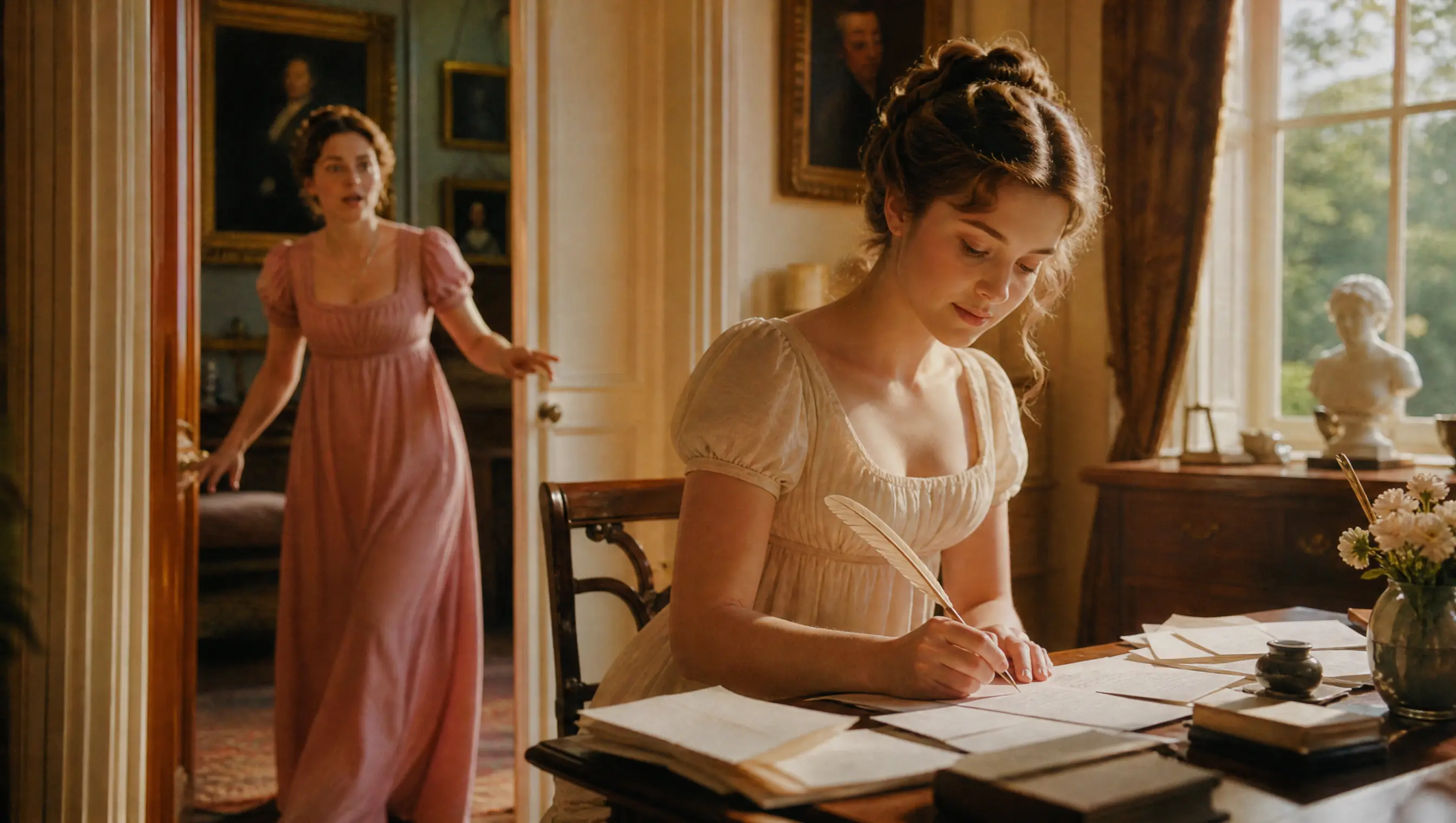
Thomasin Bramley carried the letter upstairs herself. She had taken it from the salver in the hall before the footman could, because that was the arrangement, and had been the arrangement for eleven years, ever since a girl of eleven had sat weeping over a primer in a Leeds schoolroom while a cousin of sixteen, newly orphaned and newly arrived, knelt beside her and said, "Show me which ones move."
Dorothea Ackroyd was at the window with her back to the room. She was twenty-two, broad-shouldered and fair, with the kind of steady colouring that looked well on a horse and less well in a ballroom, and she was holding a cup of chocolate without drinking it.
"Is it from him?"
"It is from Carrowby," said Thomasin. "Northumberland. The frank is his."
"Then he can write." Dorothea turned. "Papa said he lost the use of his hand at Waterloo. I had half hoped it would mean we need not correspond at all."
"Shall I read it?"
"You know you shall." Dorothea sat down on the sofa, set the chocolate on the floor where a servant would certainly step in it, and folded her hands. It was the posture she had worn since childhood whenever words were about to be done to her. "Slowly, Tam. If there is anything about the price of wool I want to remember it."
Thomasin broke the seal. The hand inside was not a soldier's hand. It was fine and upright, an even, sloping script with long tails to the y's and a habit of crossing every t with a single decided stroke, as if the writer disliked leaving anything undone.
She read aloud.