The rain in Atlanta had the kind of persistence that made people meaner than they meant to be. It came sideways under the covered walkway, misting the hems of coats and turning the rolling bags into little black sleds that squeaked and complained. Grant Cole stood under the fluorescent strip outside Gate C24 with a paper cup of coffee that had already gone lukewarm, watching the inbound aircraft nose in and listening to the ops channel in his left ear.
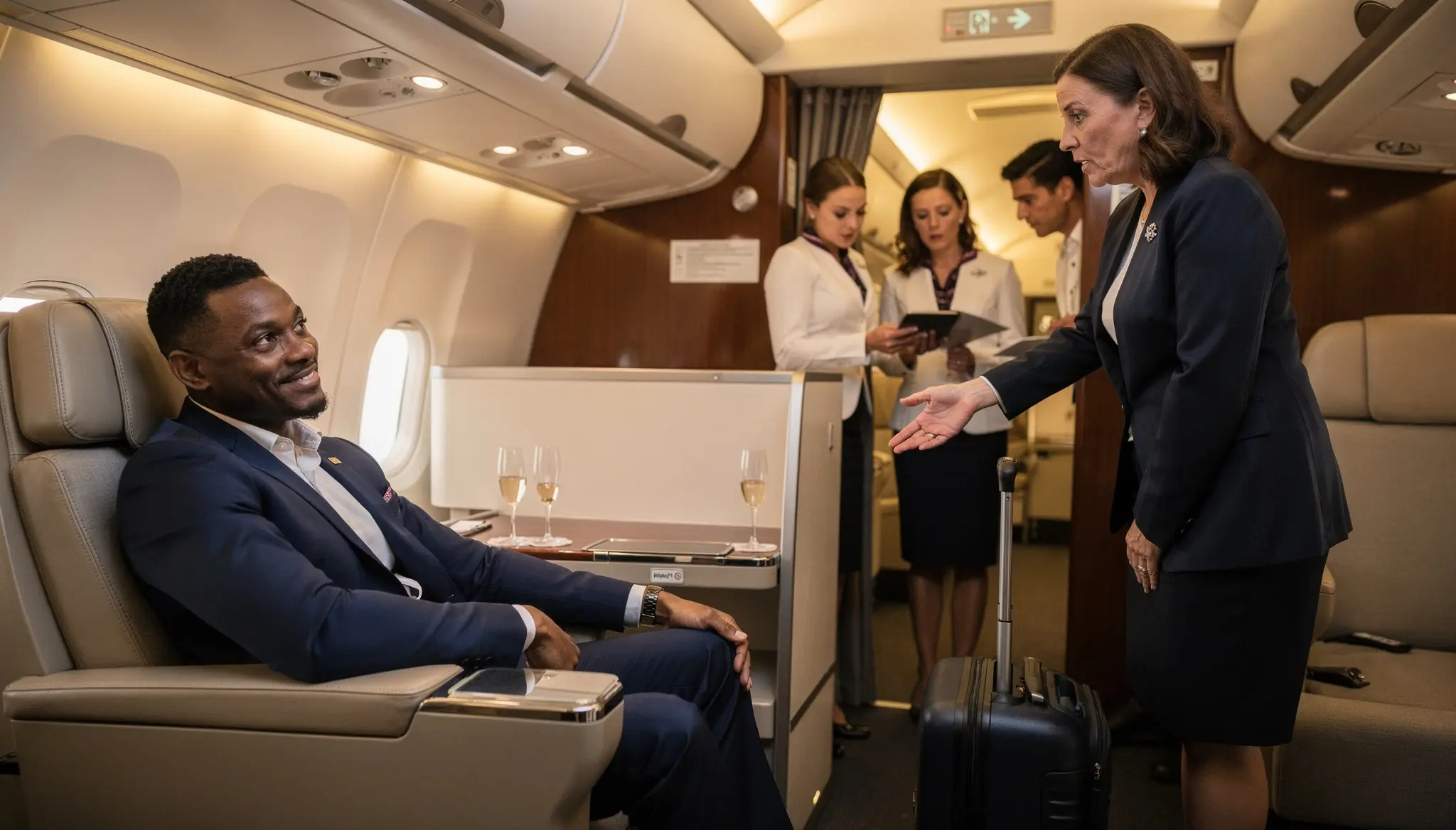
He was not, strictly speaking, supposed to be flying today. The schedule on his calendar said DIRECTOR — OPS BRIEF / MEL REVIEW / WEATHER DESK, and then a block of white space that his assistant had labeled, with gentle malice, PROTECT THIS. He had protected it for about eleven minutes before a front over the Carolinas thickened into something that would force diversions, and before a deferred write-up on a 737's Auxiliary Power Unit started arguing with a maintenance control supervisor who wanted the airplane released and a captain who did not.
Grant had signed what he could from the office. Then he had put on a dark blue crewneck sweater and white trousers because he was due in Charlotte by late afternoon for a tabletop with station managers, and because his son, Eli, had a half-day at school and would be waiting with a backpack and a face that still believed schedules were promises. The sweater was soft. The trousers were clean. He looked, if he was honest with himself, like a man trying to pass as a passenger.
He was a passenger. He was also the Director of Flight Operations for the airline whose blue bird was painted on the fuselage parking at C24. The distinction mattered less to him than the weather did. Titles were useful in rooms with projectors. On the line, what mattered was whether you still knew how an airplane felt when the plan started to bend.
"Ops wants eyes on the APU deferral before they close," said a voice in his ear—Nadine from the desk, calm as always. "Captain's holding at the jet bridge. Says he'll take it if you will."
"I'm boarding that aircraft," Grant said. "I'll talk to him at the door."
"Copy. And Grant—your wife called the ops desk looking for you. Said Eli's pickup is at three-fifteen. She sounded… pointed."
He almost smiled. Vanessa did not get pointed with Nadine for sport. "Tell her I'm in the air by twelve if the weather holds. I'll call from the ground."
He killed the call, finished the coffee, and walked toward the boarding lane.
Before the coffee, before the gate, there had been the 5:30 a.m. weather brief in a room where the carpet never quite dried from the last storm season. Analysts spoke in probabilities. Someone from dispatch argued for holding a bank of flights fifteen minutes; someone from the commercial side argued that fifteen minutes was a customer-experience wound. Grant had listened, then said the thing that made both sides look at him: "I'd rather explain a delay than explain a divert that becomes a night in a hotel we can't staff." The room had settled. That was the job—settling rooms without humiliating the people in them.
He had driven to the airport afterward with a travel bag already in the trunk because Vanessa packed him the way some people packed for disasters: always ready, never thrilled about it. On the highway he had called Eli's school to confirm the half-day pickup window, then called Vanessa to say he might make it, then called Nadine to say he might not. Living between maybes was a family skill.