Children hear hundreds of instructions every week.
Pick up your toys.
Brush your teeth.
Get into bed.
Sit properly.
Look at me.
Stand still.
Wash your hands.
Walk quietly.
Share.
Use kind words.
Every instruction matters. Families need routines. Children need boundaries. Homes, schools, churches, restaurants, stores, and public spaces all require children to practice cooperation and self-control.
But when the same direction is repeated every day, adults can become frustrated and children can stop responding.
“Pick up your toys.”
Nothing happens.
“Please pick up your toys.”
The child continues playing.
“How many times do I have to tell you?”
The adult’s voice grows louder, the child becomes defensive, and an ordinary task turns into a struggle over power.
This does not always happen because the child is deliberately disrespectful.
Children are still developing the ability to shift attention, remember several steps, stop a preferred activity, organize their bodies, and respond to language while distracted. A long explanation may disappear before they process the first sentence. Repeated commands may become background noise. A harsh tone may activate resistance before the child even considers the request.
Short, rhythmic sayings can help.
“Pick up fast, make it last!”
“Hop in bed, sleepyhead!”
“One, two, three, eyes on me!”
The purpose is not to turn parenting into a performance or require adults to sing every instruction. Serious situations still need direct, firm language. A child running toward traffic needs to hear “Stop!” A child hurting someone needs a clear boundary. A rhyme should never replace protection, accountability, or a necessary conversation.
But many daily conflicts are not emergencies.
They are transitions.
Repeated routines.
Small moments of resistance.
In those situations, a sweet phrase can soften the emotional atmosphere without weakening the expectation.
The toys still need to be picked up.
The teeth still need to be brushed.
The child still needs to sit, wash, share, and speak respectfully.
The difference is that cooperation begins through connection and predictability rather than immediate escalation.
For parents and grandparents over sixty-five, this approach may feel very different from the language used in earlier generations. Many children once responded to a simple command because disobedience carried swift consequences. Adults did not always explain, sing, rhyme, or invite playfulness into routine tasks.
Those methods often created order. They also sometimes taught children to listen mainly because they feared the adult’s reaction.
Today, many families want children to develop cooperation that continues even when an authority figure is not standing nearby. They want children to understand expectations, practice self-regulation, and experience discipline without constant humiliation or fear.
Playful sayings can support that goal when they are paired with consistency.
A rhyme alone will not make a child cooperate if adults never follow through. Warmth without boundaries becomes confusing. Boundaries without warmth can feel harsh.
Children benefit from both.
The adult can smile and say, “Hop in bed, sleepyhead,” then calmly guide the bedtime routine when the child resists.
They can chant, “Time to share because we care,” while also protecting a child’s special possessions and teaching fair turn-taking.
They can say, “Use kind words so everyone’s heard,” and still intervene firmly when insults continue.
These ten sayings work best as cues inside a larger relationship of trust, repetition, modeling, and clear expectations.
Why Rhymes and Rhythm Can Improve Cooperation
Rhythm organizes language.
Children often remember songs, rhymes, and repeated phrases more easily than ordinary instructions. A familiar line becomes a signal that tells the brain what is coming next.
“Wash, wash, scrub away—germs can’t stay!”
The child does not need to process a new explanation every time. The phrase is connected to a familiar routine.
Rhythm also changes the adult’s tone.
It is difficult to sound furious while saying a light, playful line. The phrase may regulate the parent or grandparent as much as the child.
Instead of moving immediately from mild frustration to shouting, the adult has another response available.
The rhyme also reduces unnecessary language.
Adults sometimes speak too much when children are already distracted.
“Okay, I have already asked you several times to please stop what you are doing and go over there and start putting all of those toys back where they belong because we are leaving soon.”
A young child may lose the instruction halfway through.
“Pick up fast, make it last!” is shorter.
The adult can then add a clear direction:
“Blocks in the basket.”
Sweet sayings work because they combine emotional warmth with simple structure.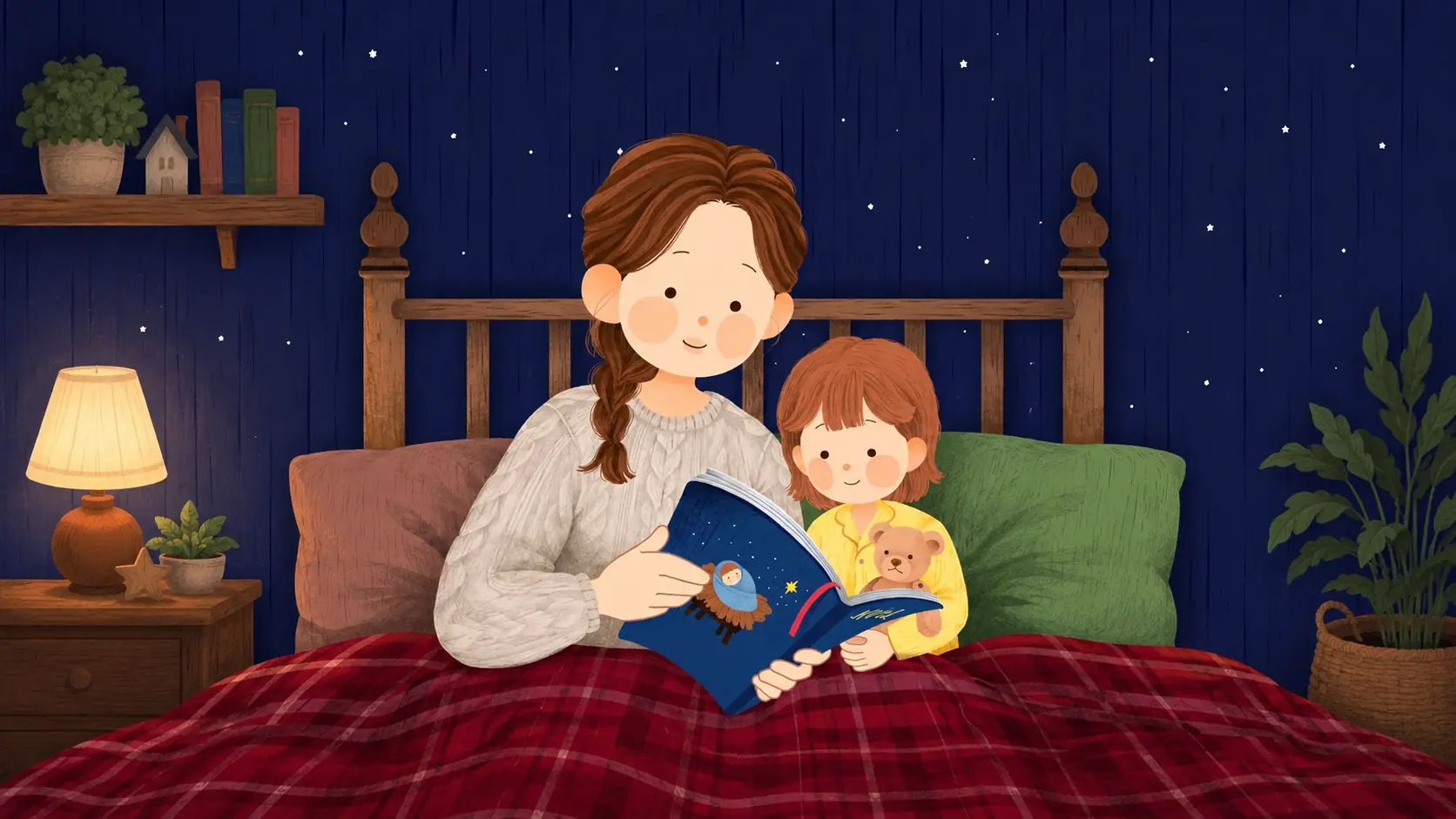
1. “Pick Up Fast, Make It Last!”
Cleanup is one of the most common sources of conflict in homes with children.
The child has been deeply engaged in play. The adult sees clutter, a transition, and a schedule. The child sees a world still in progress.
“Pick up fast, make it last!” gives cleanup a playful beginning.
Use the Phrase as a Transition Cue
The rhyme should not appear suddenly while the child is completely absorbed.
Give a warning first:
“Five more minutes, then cleanup.”
When the time comes:
“Pick up fast, make it last!”
A predictable sequence makes cooperation easier.
Make the Task Specific
“Clean everything” can feel overwhelming.
After the saying, add one clear direction:
“Cars in the red bin.”
“Books on the shelf.”
Young children often cooperate better when the task is divided.
Explain “Make It Last”
The second half can teach care.
Putting toys away properly helps them remain unbroken, easy to find, and available for next time.
Grandma might say:
“We put things away so they last and so we know where to find them.”
The child learns that cleanup is not punishment. It is care for belongings and shared space.
Join Without Taking Over
For younger children, begin together.
“You pick up the animals, and I will pick up the blocks.”
The adult’s participation models cooperation while the child still contributes.
Do Not Make Speed More Important Than Safety
“Fast” should mean focused, not reckless.
Children should not throw toys, run with sharp objects, or rush carelessly.
The adult can clarify:
“Fast and careful.”
Use a Song or Timer
A short cleanup song or visual timer can make the ending predictable.
The goal is not winning a race against siblings. It is completing the shared responsibility.
Avoid Recleaning Everything in Front of the Child
If a child places items imperfectly and the adult immediately rearranges them, the child may feel their effort did not count.
Accept developmentally appropriate work.
When the Child Refuses
The sweet saying is an invitation, not the entire boundary.
Grandma can say calmly:
“Cleanup is not optional. You may start with the cars or the books.”
If resistance continues, a related consequence may follow. Toys that cannot be cared for may rest for a period of time.
The Life Skill Beneath the Saying
The child learns organization, responsibility, transition, and care for possessions.
2. “Brush Your Teeth Till They Sparkle Beneath!”
Toothbrushing can become a nightly argument because it interrupts play and offers little immediate reward.
Children cannot always appreciate the long-term value of preventing cavities. They experience only the inconvenience of stopping what they are doing.
“Brush your teeth till they sparkle beneath!” makes the routine more memorable.
Pair Playfulness With Proper Technique
The rhyme should not replace guidance.
Children need to learn how long to brush, how to reach different surfaces, and when they still need adult supervision or help.
Grandma can say:
“Let us make the front, back, and chewing parts sparkle.”
Use a Timer or Song
A short song or appropriate timer can help children understand duration.
Without a concrete cue, “brush longer” feels vague.
Let Them Choose
A limited choice can reduce resistance:
“Do you want the blue toothbrush or the green one?”
“Brush before pajamas or after pajamas?”
The boundary remains. Toothbrushing still happens.
Do Not Use Dental Fear Excessively
Threatening children with painful procedures may create anxiety.
Simple explanations are enough:
“Brushing protects your teeth and keeps them healthy.”
Model the Habit
Children are more likely to accept routines they see adults practice.
Brushing together can make the task feel normal rather than imposed.
Avoid Shame Around Struggles
Some children have sensory sensitivities related to toothpaste texture, flavor, foam, or brushing pressure.
The adult should not call them difficult.
Different products, smaller steps, or professional guidance may help.
Celebrate Consistency, Not Appearance
The phrase “sparkle” is playful. The deeper goal is health, not perfect-looking teeth.
The Life Skill Beneath the Saying
The child learns personal hygiene, consistency, and care for the body.
3. “Hop in Bed, Sleepyhead!”
Bedtime often arrives when both adults and children have the least patience left.
The parent is tired.
The child suddenly becomes energetic, thirsty, hungry, curious, or deeply concerned about an event from three weeks earlier.
“Hop in bed, sleepyhead!” gives bedtime a warm, predictable cue.
Use the Phrase Inside a Routine
The rhyme works best when bedtime follows a familiar order:
Bath.
Pajamas.
Teeth.
Book.
Bed.
Children cooperate more easily when they know what comes next.
Do Not Use “Sleepyhead” to Dismiss Real Needs
A child may genuinely need water, comfort, or reassurance.
The adult can meet reasonable needs while keeping the routine contained.
“You may have one drink, then it is time to stay in bed.”
Create a Gentle Ending to the Day
The phrase can be followed by a hug, short prayer, song, or loving sentence.
“I am glad I got to be with you today.”
Emotional connection can reduce bedtime resistance caused by separation.
Avoid Turning Bedtime Into a Threat
“If you do not sleep now, tomorrow will be terrible” increases pressure.
Children cannot force sleep.
The adult controls the routine and environment, not the exact moment sleep arrives.
A better message is:
“Your job is to rest your body.”
Respect Different Sleep Needs
Some children need more time to settle. Others are sensitive to light, sound, or changes in routine.
Consistency and observation matter.
Keep the Phrase Playful but the Boundary Firm
If the child continues leaving the bed, the adult can return them calmly with minimal conversation.
The rhyme does not mean endless negotiation.
The Life Skill Beneath the Saying
The child learns routine, rest, transition, and body awareness.
4. “Sit Square in Your Chair”
Children often sit sideways, kneel, wiggle, slide, or leave the chair repeatedly.
“Sit square in your chair” gives a short physical cue.
It is easier to remember than a long lecture about posture.
Explain What “Square” Means
The phrase may need demonstration:
Bottom on the seat.
Feet in a safe place.
Body facing the table.
Children cannot follow language they do not understand.
Use the Cue for Safety and Attention
At meals, schoolwork, crafts, or restaurants, stable sitting may prevent spills and support focus.
Do Not Demand Stillness Beyond Developmental Ability
Children are naturally active.
A young child may not sit still for a long meal or extended adult conversation.
Expectations should match age and temperament.
Provide Movement Before Sitting
A child may cooperate better after jumping, dancing, stretching, or walking.
Movement is not always defiance. Sometimes the body needs activity before focus.
Avoid Correcting Every Wiggle
The goal is safe, functional sitting, not rigid control.
Some children focus better with limited movement.
Model Respectful Posture Requests
Instead of:
“Sit properly! What is wrong with you?”
Say:
“Sit square in your chair.”
The instruction is clear without attacking the child.
Adapt for Different Bodies
Children with physical disabilities, sensory needs, or attention differences may need alternative seating or support.
The principle is comfort, safety, and participation, not forcing every body into one position.
The Life Skill Beneath the Saying
The child learns body awareness, situational behavior, and readiness to participate.
5. “One, Two, Three—Eyes on Me!”
Adults often give instructions while the child is still looking at a screen, toy, book, sibling, or activity.
Then they become frustrated when the child does not respond.
“One, two, three—eyes on me!” is an attention cue.
Gain Attention Before Giving the Direction
This is the most important part.
Do not deliver the entire instruction first and then demand eye contact afterward.
Use the cue.
Wait.
Then speak.
Eye Contact Should Not Be Forced Rigidly
Some children listen better while looking slightly away. Direct eye contact may be uncomfortable because of temperament, culture, anxiety, or developmental differences.
The deeper goal is attention, not staring.
An adapted phrase can mean:
“Turn your body toward me.”
“Show me you are listening.”
Keep the Next Instruction Short
Once attention is gained:
“Shoes on.”
“Put the cup in the sink.”
Do not waste the moment with a long speech.
Use It Consistently
A familiar cue becomes more effective over time.
Parents, grandparents, and caregivers can use similar language when appropriate.
Do Not Overuse It
If used every few minutes, the phrase may become background noise.
Reserve it for moments when full attention is genuinely needed.
Respond When the Child Uses It Too
Respect should be mutual.
If a child says, “Grandma, look,” try to give attention when reasonably possible or explain when you can.
Avoid Using the Phrase as Public Humiliation
The cue should not be shouted across a room to embarrass a child.
Move closer when possible.
The Life Skill Beneath the Saying
The child learns to shift attention, listen for instructions, and show another person they are ready to hear.
6. “Stand Statue Still—Freeze and Chill!”
There are moments when children need to stop moving.
Waiting in line.
Standing near a road.
Allowing an adult to fasten clothing.
Pausing during a game.
“Stand statue still—freeze and chill!” turns stillness into a brief challenge.
Use It for Short Periods
Young children cannot remain still indefinitely.
The phrase works best for brief moments.
“Freeze while I zip your coat.”
Make Safety Clear
Near traffic, the adult may need direct language first:
“Stop.”
The rhyme can reinforce the expectation after immediate danger has passed.
Practice During Play
Children can learn the cue through freeze dance or statue games when everyone is calm.
Then the body recognizes it during real routines.
“Chill” Means Calm the Body
Grandma can model:
“Hands still, feet still, one slow breath.”
This adds regulation to the physical cue.
Do Not Shame Energetic Children
A child who struggles to stand still is not necessarily disobedient.
They may need movement, sensory support, or clearer expectations.
Give the Body Something to Do
“Hold this bag with both hands.”
“Press your feet into the floor.”
Physical anchors can help.
Praise the Successful Pause
“You froze safely when I asked.”
Specific praise strengthens the skill.
The Life Skill Beneath the Saying
The child learns impulse control, body regulation, and responsiveness during safety-related moments.
7. “Wash, Wash, Scrub Away—Germs Can’t Stay!”
Handwashing is repetitive, essential, and easy for children to rush.
This rhyme gives the routine rhythm and purpose.
Teach When to Wash
Before eating.
After using the bathroom.
After coughing into hands.
After outdoor play.
After touching certain animals or dirty surfaces.
Children need concrete examples.
Teach the Steps
Wet.
Soap.
Scrub all parts of the hands.
Rinse.
Dry.
A rhyme can support the sequence, but demonstration remains important.
Use a Duration Cue
A short song can help children scrub long enough.
Avoid Making Germs Terrifying
Children should understand hygiene without becoming afraid of ordinary contact.
Grandma can explain:
“Some germs can make us sick, so washing helps protect us.”
Make Supplies Accessible
A stable step stool, easy-to-use soap, and reachable towel support independence.
Respect Sensory Needs
Some children dislike water temperature, soap texture, smell, or hand dryers.
Alternative products or quieter drying methods may help.
Model the Habit
Adults should wash their own hands consistently.
Children notice contradictions.
The Life Skill Beneath the Saying
The child learns hygiene, health responsibility, and care for the community.
8. “Quiet Feet Are Super Sweet!”
Children often run, stomp, or jump in places where quieter movement is needed.
Libraries, apartments, hospitals, hallways, or a home with a sleeping baby may require “quiet feet.”
The phrase tells the child what to do rather than only what to stop doing.
Positive Directions Are Easier to Follow
“Do not run” tells the child what must end.
“Quiet feet” gives a replacement behavior.
This principle applies widely.
Instead of “Stop yelling,” try “Use an indoor voice.”
Instead of “Do not throw,” try “Place it down gently.”
Demonstrate Quiet Feet
Walk slowly together.
Make it a playful challenge.
“Can your feet move like a quiet cat?”
Do Not Expect Silence Everywhere
Children need places where running, jumping, and stomping are allowed.
Constant suppression of movement creates frustration.
Grandma can say:
“Quiet feet inside. Running feet outside.”
Respect Shared Spaces
The phrase teaches that behavior affects other people.
“We use quiet feet because someone is resting downstairs.”
The child learns consideration, not only obedience.
Avoid Describing the Child as Loud or Wild
Focus on the current behavior.
“Your feet are loud right now.”
Identity labels can create shame.
Make the Expectation Time-Limited
“We need quiet feet until we reach the outside door.”
Children cooperate better when they know how long the limit will last.
The Life Skill Beneath the Saying
The child learns environmental awareness, empathy, and flexible behavior.
9. “Time to Share Because We Care!”
Sharing is one of the most misunderstood childhood expectations.
Adults often demand immediate sharing because they want children to appear generous.
But forced sharing can create resentment and confusion about ownership.
“Time to share because we care!” works best when sharing is appropriate, fair, and taught thoughtfully.
Teach Turn-Taking
Young children often understand turns better than abstract generosity.
“You may use it for two more minutes, then it is her turn.”
A timer can make the boundary visible.
Do Not Force Every Personal Item to Be Shared
Children may have special belongings they are not required to hand over immediately.
Before guests arrive, special items can be put away.
Shared toys and personal treasures can have different rules.
Explain the Reason
Sharing helps others participate and supports cooperation.
But care also includes respecting when someone is not finished.
Model Generosity
Children watch adults.
Do family members share food, time, space, and attention?
Praise Willing Sharing
“You made room for your cousin to join.”
Specific recognition teaches what generosity looks like.
Do Not Shame Reluctance
A child may need support with the transition.
“It is hard to stop when you are enjoying it.”
Validation can exist alongside the turn.
Teach Asking Before Taking
“Can I use it when you are finished?”
This protects both sides of sharing.
The Life Skill Beneath the Saying
The child learns generosity, fairness, turn-taking, and respect for ownership.
10. “Use Kind Words So Everyone’s Heard!”
Children need permission to express anger, disagreement, disappointment, and boundaries.
They also need to learn that the way words are delivered affects whether people can hear the message.
“Use kind words so everyone’s heard!” connects respectful speech with effective communication.
Kind Does Not Mean Silent
A child can say:
“I disagree.”
“I am angry.”
“Please stop.”
“I need space.”
Kind words do not require pretending everything is fine.
Teach Replacement Language
Instead of:
“You are stupid.”
Say:
“I did not like what happened.”
Instead of:
“Give it to me!”
Say:
“Can I have a turn?”
Children need examples, not only correction.
Correct the Delivery Without Erasing the Message
“I want to hear what you are saying. Try again without the insult.”
This tells the child that their concern matters and disrespect still has a boundary.
Adults Must Follow the Same Rule
Parents and grandparents cannot demand kind words while using sarcasm, humiliation, or contempt.
If Grandma speaks harshly, she should repair:
“My words were unkind. I am sorry.”
Kindness Does Not Mean Accepting Mistreatment
A child can speak firmly when someone is unsafe.
“Do not touch me.”
“Stop.”
Strong words can still be appropriate.
Teach Listening Too
Everyone being heard requires more than kind speech. It also requires waiting, paying attention, and allowing another person to finish.
The Life Skill Beneath the Saying
The child learns assertive communication, respect, emotional expression, and conflict resolution.
Sweet Sayings Work Best When Adults Follow Through
A rhyme can gain attention.
It cannot replace consistency.
If Grandma says, “Hop in bed, sleepyhead,” then allows another hour of negotiation every night, the phrase loses meaning.
If she says, “Time to share because we care,” but never teaches turns or protects ownership, resentment grows.
Children need to know that the playful cue leads to a predictable expectation.
Warm voice.
Clear direction.
Reasonable choice.
Calm follow-through.
This combination builds cooperation.
Do Not Turn Every Moment Into a Performance
Some adults may feel pressure to sound cheerful all the time.
That is unnecessary.
Parents and grandparents are allowed to be tired, serious, and direct.
A simple statement may sometimes be best:
“It is time to leave.”
The sayings are tools, not requirements.
Use them where they make routine lighter.
Match the Phrase to the Child’s Age
Young children often enjoy rhymes openly.
Older children may find them childish, especially in front of friends.
The language should grow with the child.
“Eyes on me” may become:
“I need your full attention.”
“Use kind words” may become:
“Say that again respectfully.”
The underlying skill remains even when the rhyme disappears.
When the Child Refuses Anyway
A sweet saying does not guarantee cooperation.
The child may laugh, ignore, argue, or say no.
The adult can remain calm.
“I gave the cleanup cue. Now it is time to begin.”
Offer a limited choice if appropriate.
“You can pick up the blocks or the cars first.”
Then follow through with a related boundary.
Playfulness should not become pleading.
Avoid Using Rhymes During Genuine Distress
A child who is grieving, frightened, injured, or deeply overwhelmed may experience a cheerful rhyme as dismissive.
Read the emotional moment.
Connection may require:
“I see that you are really upset.”
After regulation, the routine can resume.
How Grandparents Can Use These Sayings Without Undermining Parents
Grandparents often bring a special playfulness into children’s lives.
They can make routines lighter while still respecting family rules.
Ask parents what language and expectations are used at home.
Consistency helps the child.
Grandma should not become the adult who turns every boundary into a game and never follows through.
Her warmth is most valuable when paired with dependable leadership.
The Deeper Emotional Lesson
These ten sayings communicate more than instructions.
They tell the child:
“Learning can feel safe.”
“Correction does not always arrive through anger.”
“Adults can guide me without humiliating me.”
“Responsibilities can become familiar rhythms.”
A child who experiences this pattern may become more cooperative not because they fear the adult, but because the expectation feels predictable and the relationship remains secure.
What Older Generations May Recognize
Many grandparents remember rhymes, songs, sayings, and short phrases from their own childhood.
Perhaps a parent used a familiar line during chores, mealtimes, or bedtime. Those words survived because rhythm carries memory.
Grandparents can create the same kind of emotional inheritance.
Years later, an adult grandchild may suddenly hear themselves saying:
“Wash, wash, scrub away—germs can’t stay!”
They may smile because Grandma’s voice returned through an ordinary routine.
The phrase becomes part of family culture.
Ten Sayings, Ten Lifelong Skills
“Pick up fast, make it last” teaches responsibility and care.
“Brush your teeth till they sparkle beneath” teaches hygiene.
“Hop in bed, sleepyhead” teaches routine and rest.
“Sit square in your chair” teaches body awareness.
“One, two, three—eyes on me” teaches attention.
“Stand statue still—freeze and chill” teaches impulse control.
“Wash, wash, scrub away—germs can’t stay” teaches health habits.
“Quiet feet are super sweet” teaches awareness of shared spaces.
“Time to share because we care” teaches generosity and fairness.
“Use kind words so everyone’s heard” teaches respectful communication.
The rhymes are small.
The skills are not.
A Final Message to Parents and Grandparents
Children will not always listen the first time.
Sometimes they are deeply focused.
Sometimes they are tired, hungry, overwhelmed, or testing a boundary.
Sometimes the direction is difficult because it requires stopping something enjoyable.
The adult’s job is not to create instant obedience through fear.
It is to teach cooperation through repetition, clarity, connection, and follow-through.
Say:
“Pick up fast, make it last,” and show the child how caring for belongings makes tomorrow easier.
Say:
“Brush your teeth till they sparkle beneath,” and stand nearby while a daily health habit becomes independent.
Say:
“Hop in bed, sleepyhead,” and let bedtime feel like a safe ending rather than a nightly battle.
Say:
“Sit square in your chair,” when the body needs a simple, memorable cue.
Say:
“One, two, three—eyes on me,” before giving the direction, not after becoming angry that it was missed.
Say:
“Stand statue still—freeze and chill,” and help an energetic child experience a brief moment of control without making energy itself feel wrong.
Say:
“Wash, wash, scrub away—germs can’t stay,” and let health responsibility become part of the rhythm of daily life.
Say:
“Quiet feet are super sweet,” while teaching that shared spaces require awareness of other people.
Say:
“Time to share because we care,” while also teaching turns, boundaries, and respect for personal belongings.
Say:
“Use kind words so everyone’s heard,” then model those same kind words when you are frustrated.
Your tone will not always be playful.
You will sometimes repeat yourself.
There will be evenings when you do not have the energy to rhyme, sing, or turn a routine into a game.
That does not make you a failure.
Use the tools when they help.
Be direct when directness is needed.
Apologize when frustration becomes harsh.
Return to the relationship.
One day, the child may forget many individual instructions.
They may not remember which night they resisted bedtime or which morning they refused to brush their teeth.
But they may remember the atmosphere surrounding those ordinary moments.
Home was a place where adults could be firm without always being frightening.
Rules had rhythm.
Correction sometimes arrived with a smile.
Responsibility was taught through repetition rather than humiliation.
And even when the answer was no, the relationship still felt safe.
That is the deeper power of these sweet sayings.
They do not merely help children listen.
They help children learn that guidance can sound like love.