Facts 15/12/2025 22:11
The Farmer Who Cut Off His Own Finger After a Snake Bite: A Tale of Panic and Misinformation
In a startling turn of events, a 60-year-old farmer from Zhejiang, China, made a shocking decision that left medical professionals stunned. While chopping firewood in the mountains, he was bitten on the finger by a snake. Panicking and convinced he had mere moments to live, he believed he had been struck by the infamous “five-step snake” — a highly venomous pit viper, notorious for its lethal reputation. According to local myths, a bite from this snake results in death within just a few minutes, leading to widespread panic and fear.
Believing the myth, the farmer quickly grabbed a knife and, in a desperate bid to save his life, cut off his own finger in an attempt to stop the venom from spreading. Despite the severity of the situation, he managed to gather his wits enough to have friends rush him to a hospital located 80 kilometers away.
However, when doctors finally examined him, the truth was far less dire than he had believed. The snake that had bitten him was identified as Deinagkistrodon acutus, a venomous species, but not nearly as instantly deadly as local legends had led him to fear. The truth is, with the help of modern antivenom and proper medical treatment, the vast majority of victims of this snakebite survive without needing to resort to drastic measures.
The medical team explained to the farmer that amputating his finger was entirely unnecessary. Unfortunately, because he had left the severed finger behind in the mountains during the rush to get medical help, it could not be reattached.
This incident underscores a much larger issue, especially in rural areas where healthcare access may be limited: panic-driven first-aid myths. The belief that cutting off a limb or sucking out venom can help in the event of a snake bite is widespread in some regions, but it is a misconception. In fact, such actions can cause even more harm and delay proper medical intervention, leading to worse outcomes.
Medical experts and health organizations, such as the World Health Organization (WHO) and the Centers for Disease Control and Prevention (CDC), strongly advise against self-amputation or applying extreme first-aid techniques. Instead, they recommend staying as calm as possible and immobilizing the affected limb. It's crucial to seek immediate medical attention by calling for an ambulance or transporting the victim to a hospital where antivenom and professional care can be administered quickly.
Snake venom affects the body differently depending on the species, but even in the case of dangerous snakes, proper medical treatment often prevents life-threatening consequences without the need for drastic, self-inflicted actions.
This farmer's decision, while born out of fear, highlights the dangers of misinformation, especially in areas where emergency medical knowledge is lacking. In his case, it wasn’t the snake bite that cost him his finger—it was the panic, compounded by myths and misconceptions, that led him to make a life-altering decision. Had he stayed calm, there is a strong likelihood that he would have kept his finger intact, in addition to surviving the ordeal.
This case serves as a reminder that education and awareness about proper first-aid procedures can save lives and prevent unnecessary harm. Ensuring that communities in rural or isolated areas have access to accurate medical information and proper healthcare services is essential for preventing such tragic mistakes.
News in the same category

Overview Energy's Bold Plan to Beam Power from Space to Earth Using Infrared Lasers

Japan’s Ghost Homes Crisis: 9 Million Vacant Houses Amid a Shrinking Population

Japan’s Traditional Tree-Saving Method: The Beautiful and Thoughtful Practice of Nemawashi

Swedish Billionaire Buys Logging Company to Save Amazon Rainforest
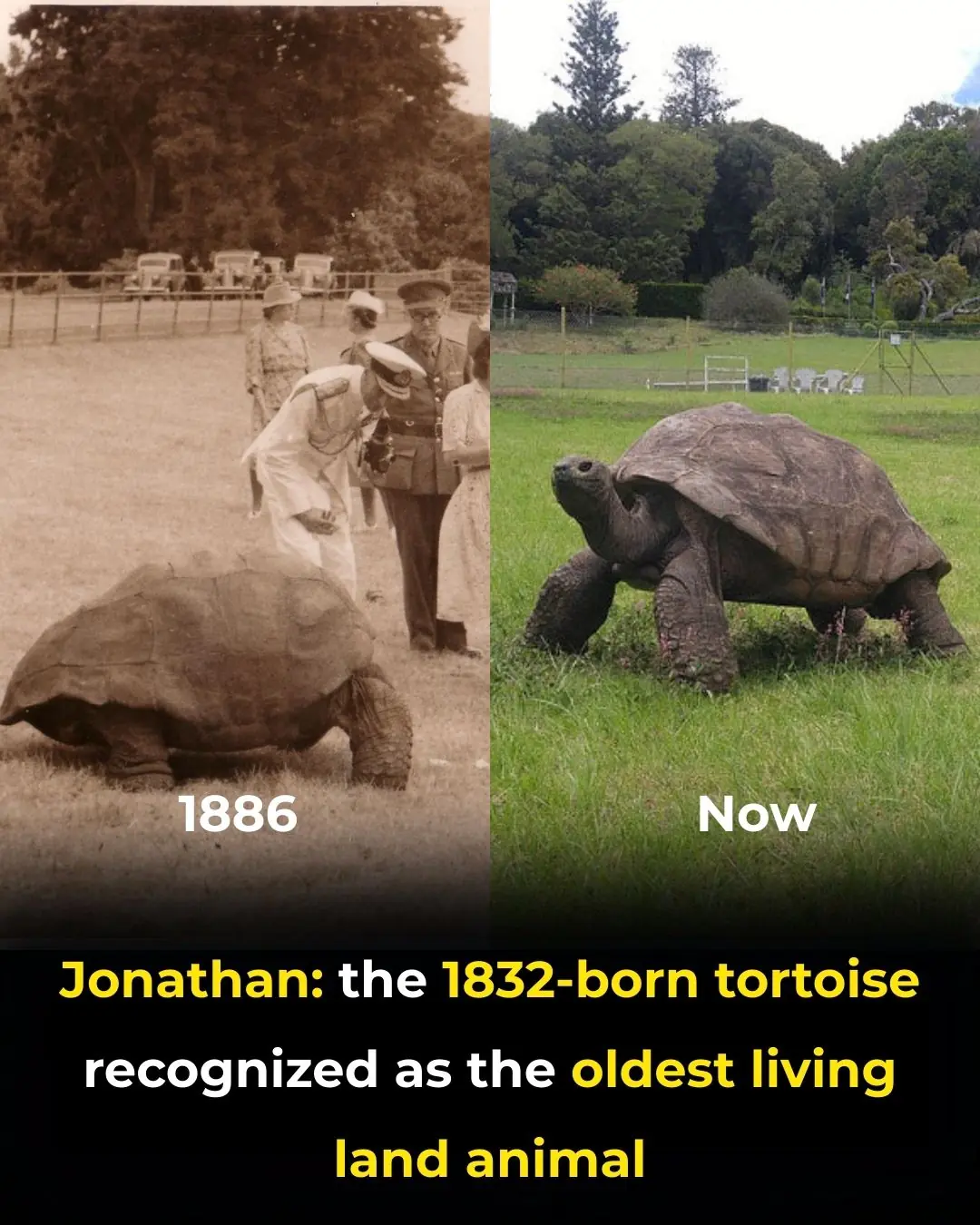
Meet Jonathan: The 193-Year-Old Tortoise Who Has Witnessed Three Centuries
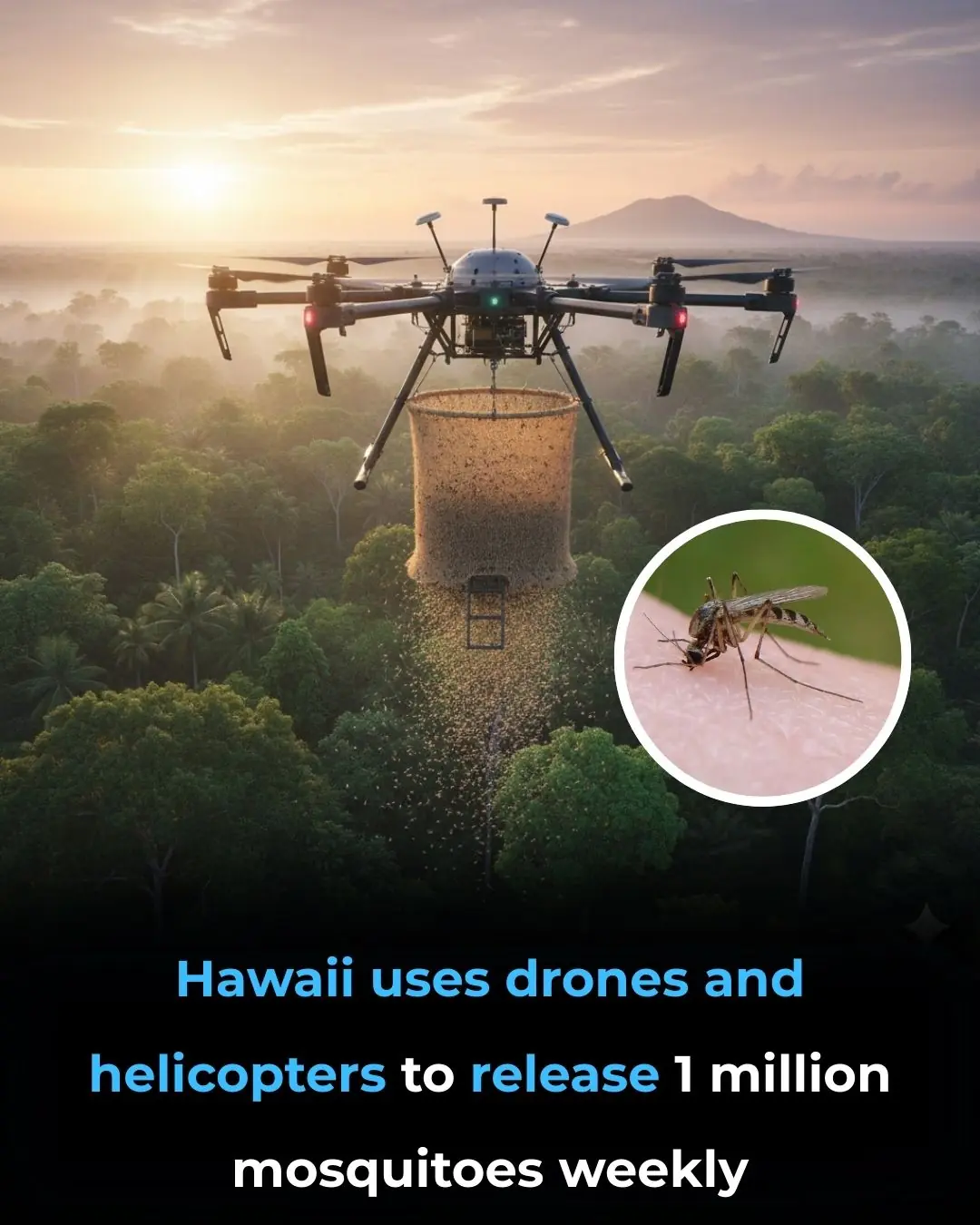
Hawaii’s Million Mosquitoes a Week: A Bold Move to Save Endangered Birds
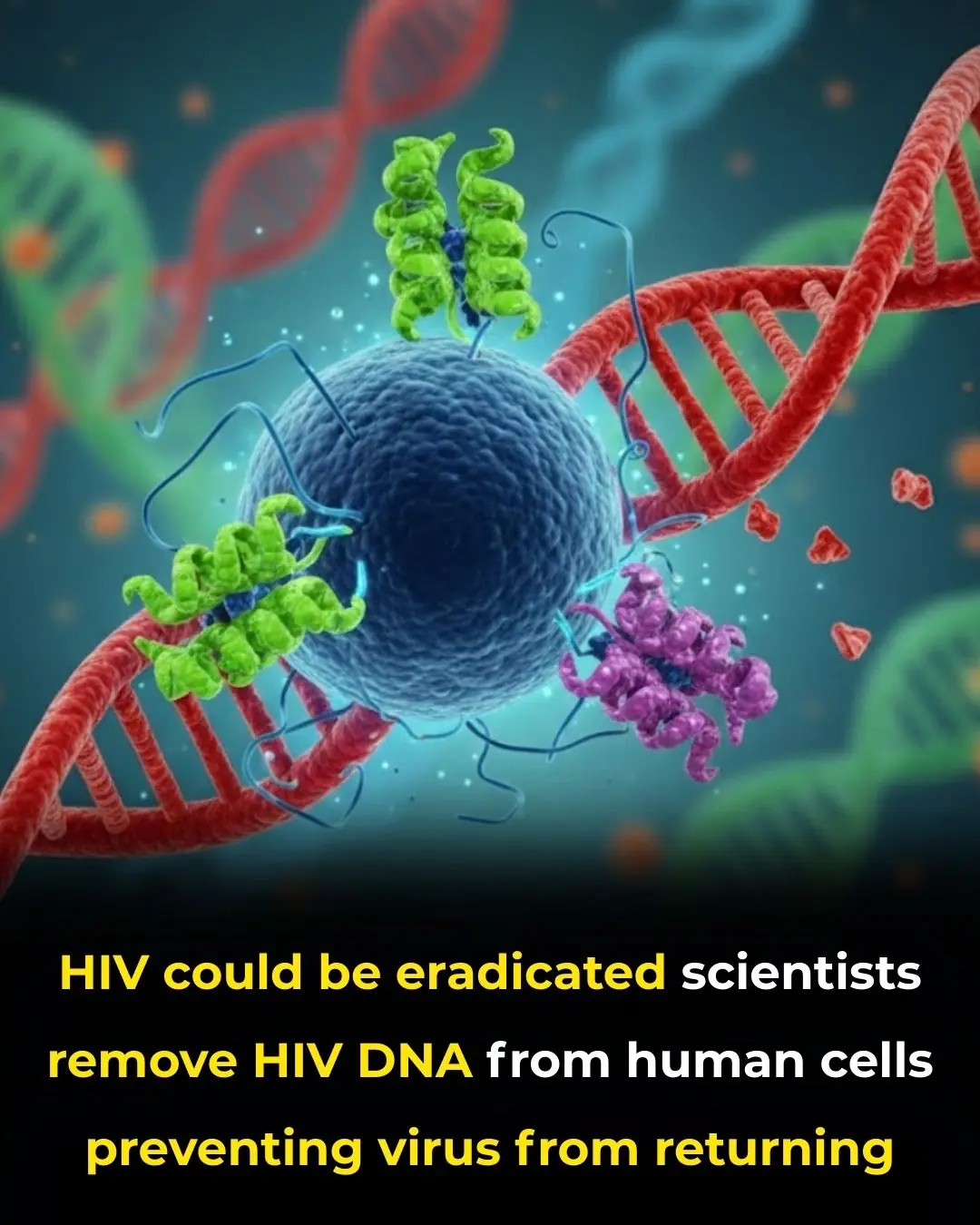
Scientists Achieve Historic Breakthrough by Removing HIV DNA from Human Cells, Paving the Way for a Potential Cure

Belgium’s “Pay What You Can” Markets: Redefining Access to Fresh Food with Community and Solidarity

China's Betavolt Unveils Coin-Sized Nuclear Battery with a Potential 100-Year Lifespan

Japan’s Morning Coffee Kiosks: A Quiet Ritual for a Peaceful Start to the Day

13-Year-Old Boy From Nevada Buys His Single Mother a Car Through Hard Work and Dedication

ReTuna: The World’s First Shopping Mall Built on Repair, Reuse, and the Circular Economy

Revolutionary Cancer Treatment Technique: Restoring Cancer Cells to Healthy States

The Critical Role of Sleep in Brain Health: How Sleep Deprivation Impairs Mental Clarity and Cognitive Function
Scientists Discover The Maximum Age a Human Can Live To
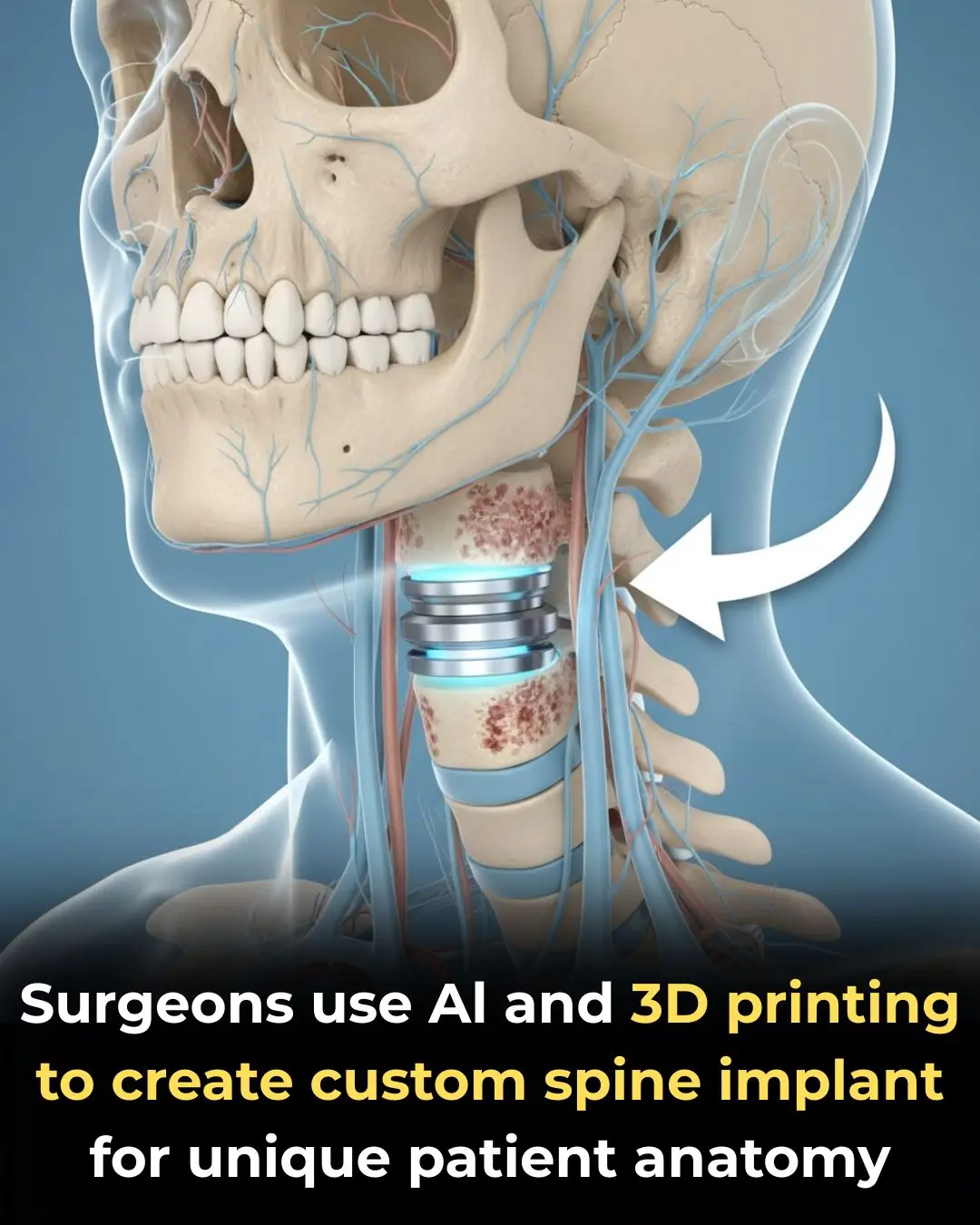
UC San Diego Health Performs World’s First Personalized Anterior Cervical Spine Surgery Using AI and 3D Printing
Could Your Blood Type Be Influencing How You Age
News Post
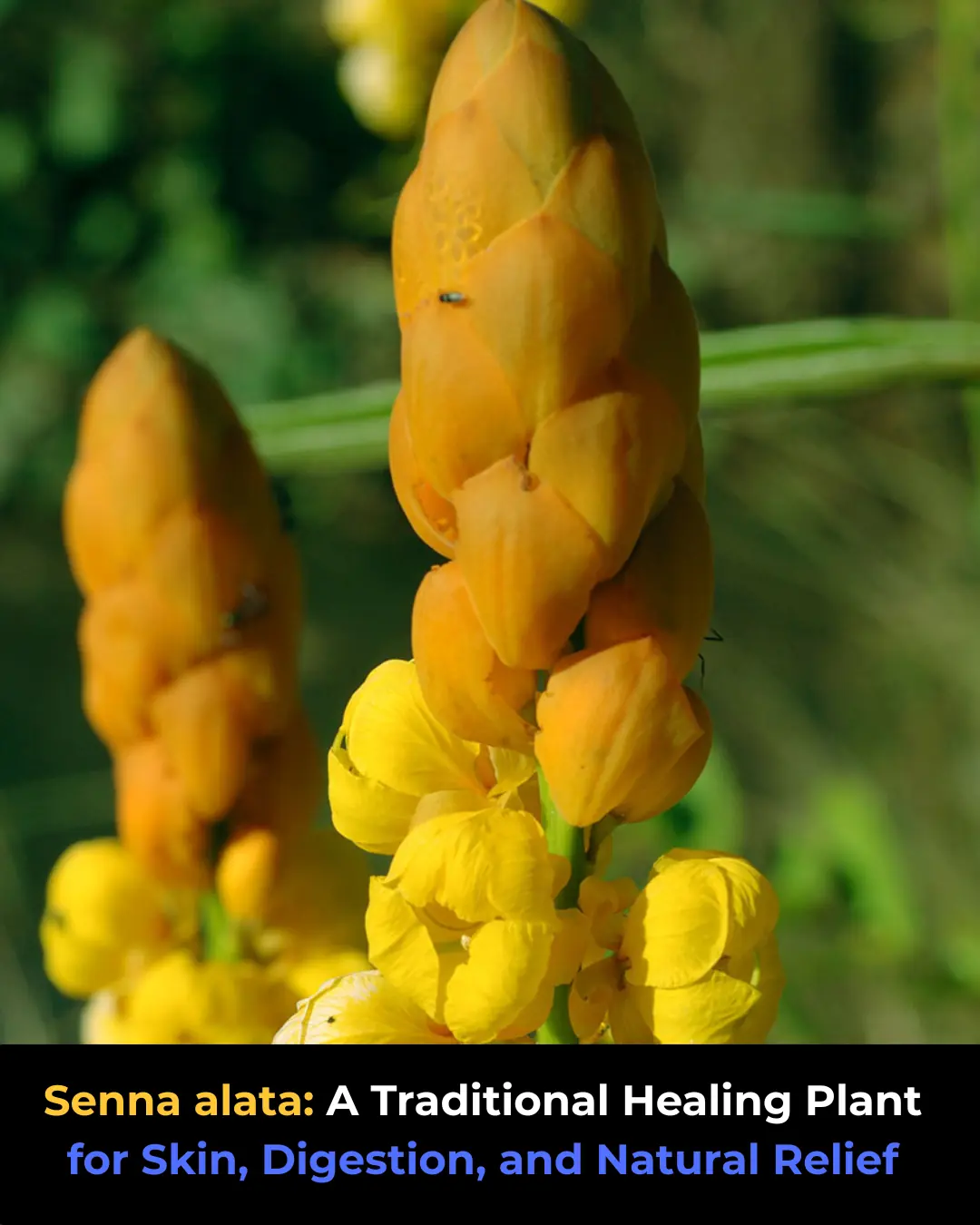
The Powerful Medicinal Benefits and Uses of Senna alata
Beatuty Tips 15/12/2025 23:10

The Ultimate Guide to Beetroot: Benefits, Uses, and Creative Ways to Enjoy It
Beatuty Tips 15/12/2025 23:07
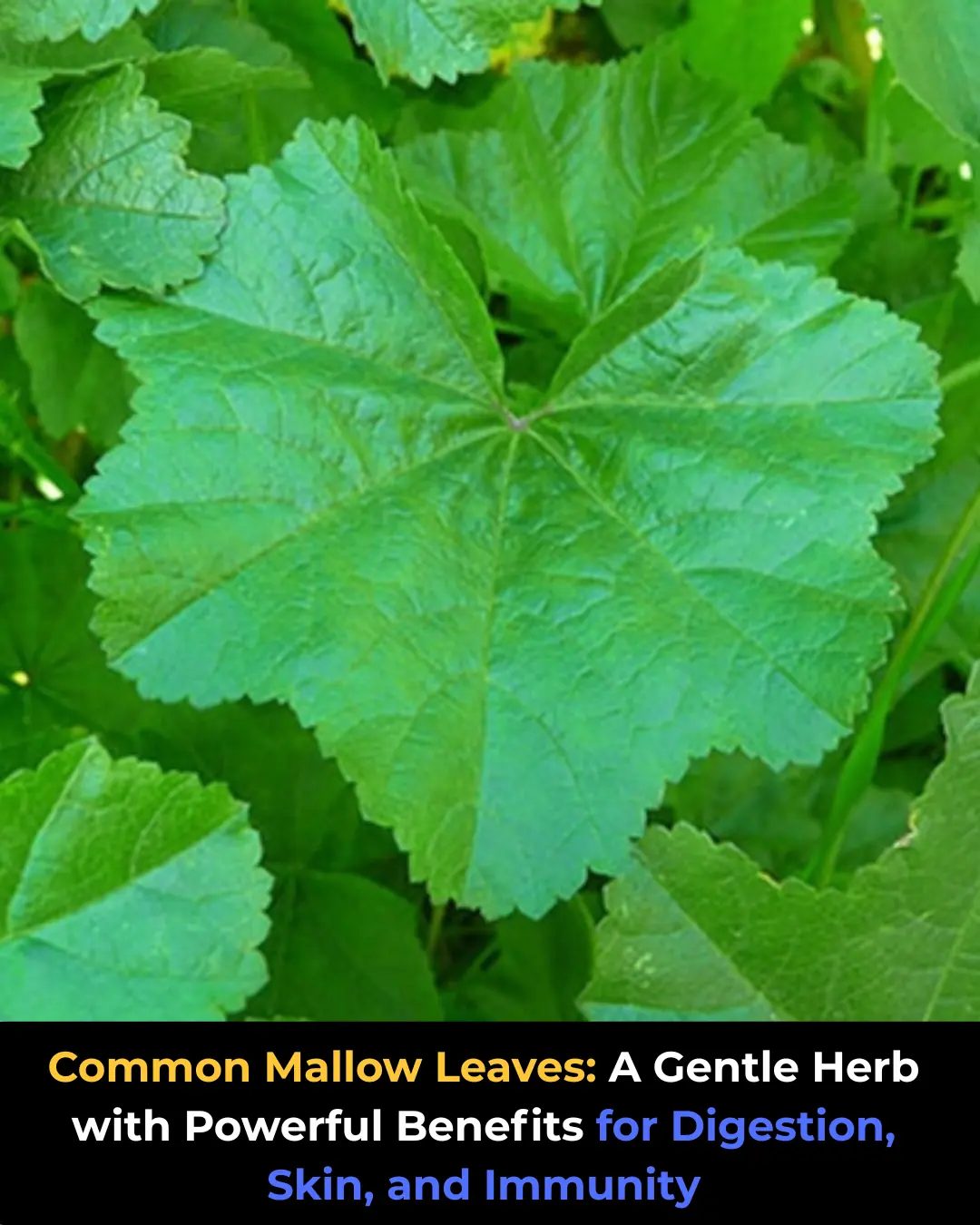
Unveiling the Green Marvel: The Top Health Benefits of Common Mallow Leaves
Beatuty Tips 15/12/2025 23:02

What does it symbolize when a person who passed away appears in your dream
Facts 15/12/2025 22:54
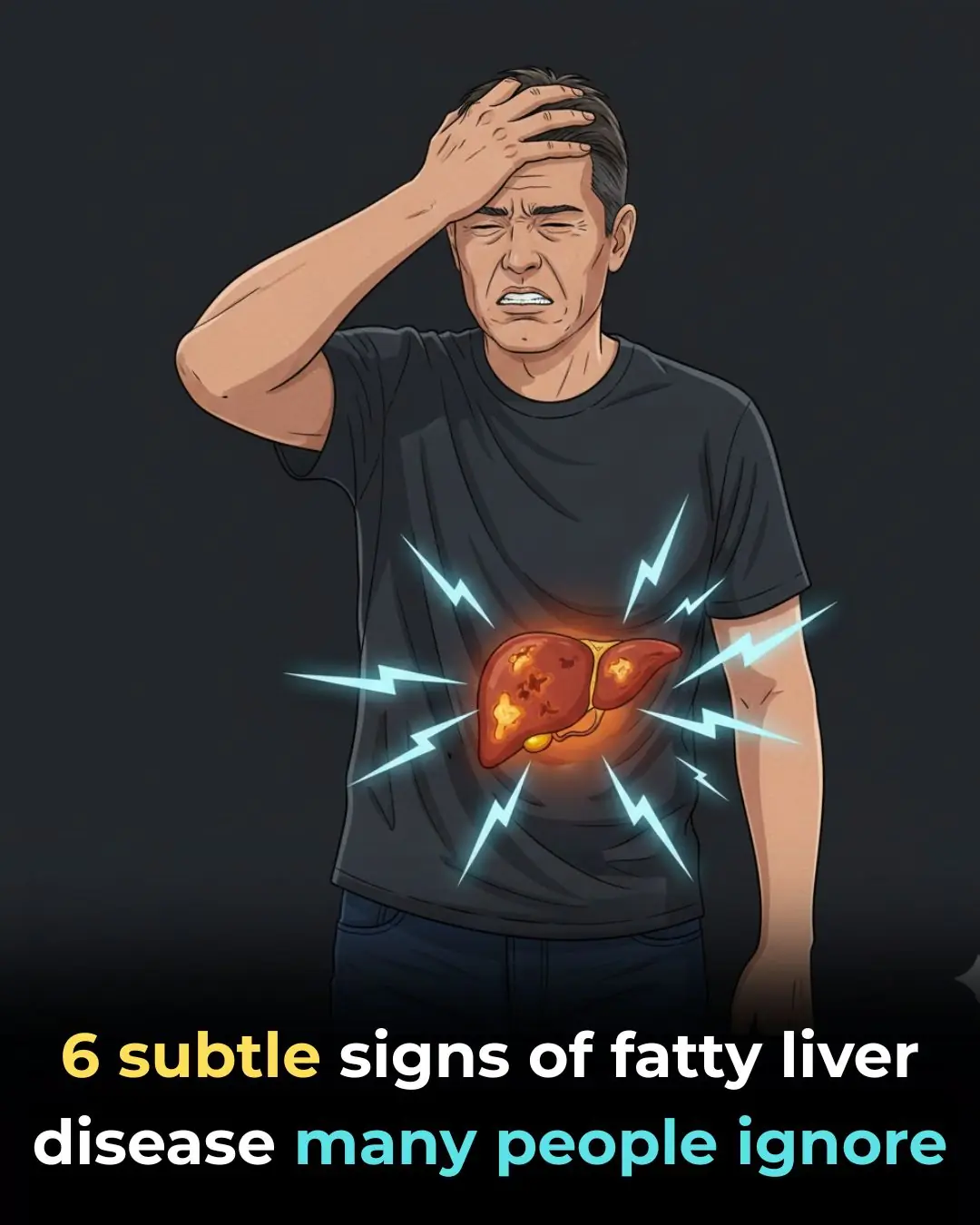
Fatty liver disease: 6 symptoms you need to know
Health 15/12/2025 22:48
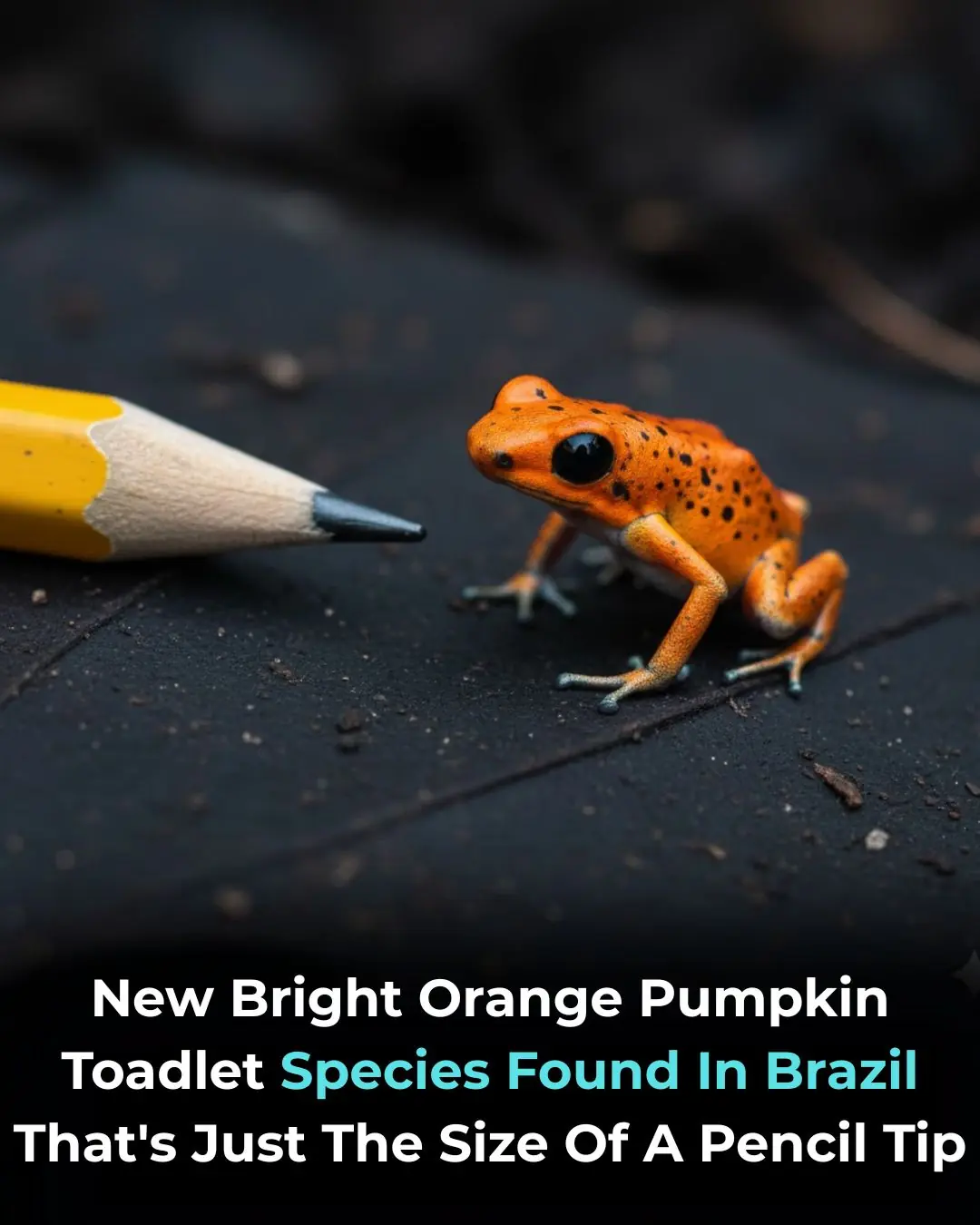
Tiny Pumpkin Toadlet Discovered in Brazil's Atlantic Forest: A New Species of Vibrantly Colored Frog
Facts 15/12/2025 22:21
Overview Energy's Bold Plan to Beam Power from Space to Earth Using Infrared Lasers
Facts 15/12/2025 22:19
Japan’s Ghost Homes Crisis: 9 Million Vacant Houses Amid a Shrinking Population
Facts 15/12/2025 22:17
Japan’s Traditional Tree-Saving Method: The Beautiful and Thoughtful Practice of Nemawashi
Facts 15/12/2025 22:15
Swedish Billionaire Buys Logging Company to Save Amazon Rainforest
Facts 15/12/2025 22:13
Meet Jonathan: The 193-Year-Old Tortoise Who Has Witnessed Three Centuries
Facts 15/12/2025 22:09
Hawaii’s Million Mosquitoes a Week: A Bold Move to Save Endangered Birds
Facts 15/12/2025 22:07
Scientists Achieve Historic Breakthrough by Removing HIV DNA from Human Cells, Paving the Way for a Potential Cure
Facts 15/12/2025 21:57
Belgium’s “Pay What You Can” Markets: Redefining Access to Fresh Food with Community and Solidarity
Facts 15/12/2025 21:48
China's Betavolt Unveils Coin-Sized Nuclear Battery with a Potential 100-Year Lifespan
Facts 15/12/2025 21:47
Japan’s Morning Coffee Kiosks: A Quiet Ritual for a Peaceful Start to the Day
Facts 15/12/2025 21:43
13-Year-Old Boy From Nevada Buys His Single Mother a Car Through Hard Work and Dedication
Facts 15/12/2025 21:39
ReTuna: The World’s First Shopping Mall Built on Repair, Reuse, and the Circular Economy
Facts 15/12/2025 21:38
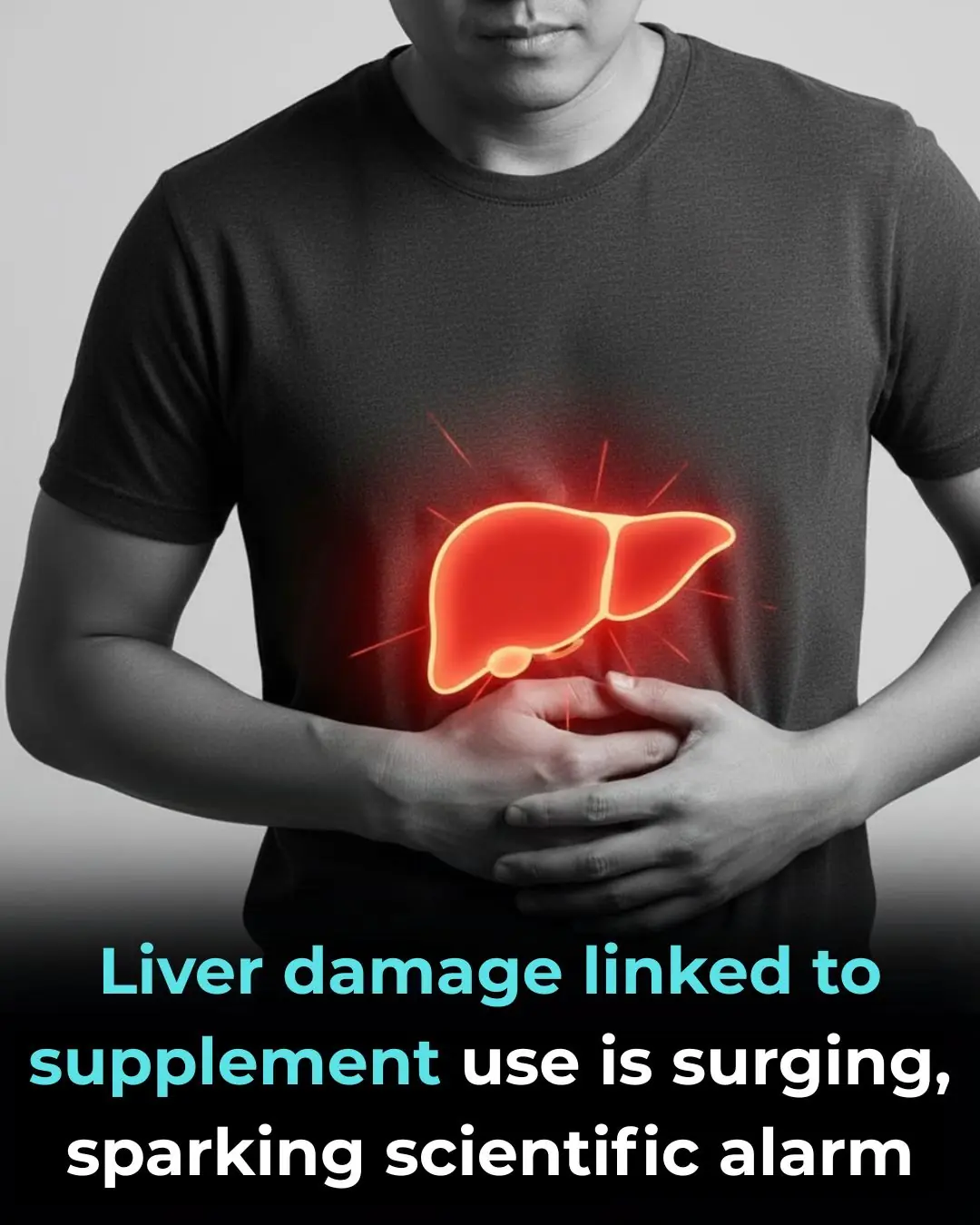
Liver Damage Linked to Supplement Use Is Surging, Sparking Scientific Alarm
Health 15/12/2025 21:37