The dog would not go into the barn, and Arne Tolstad had decided, sometime before the sun was up, that he was not going to let that be his problem.
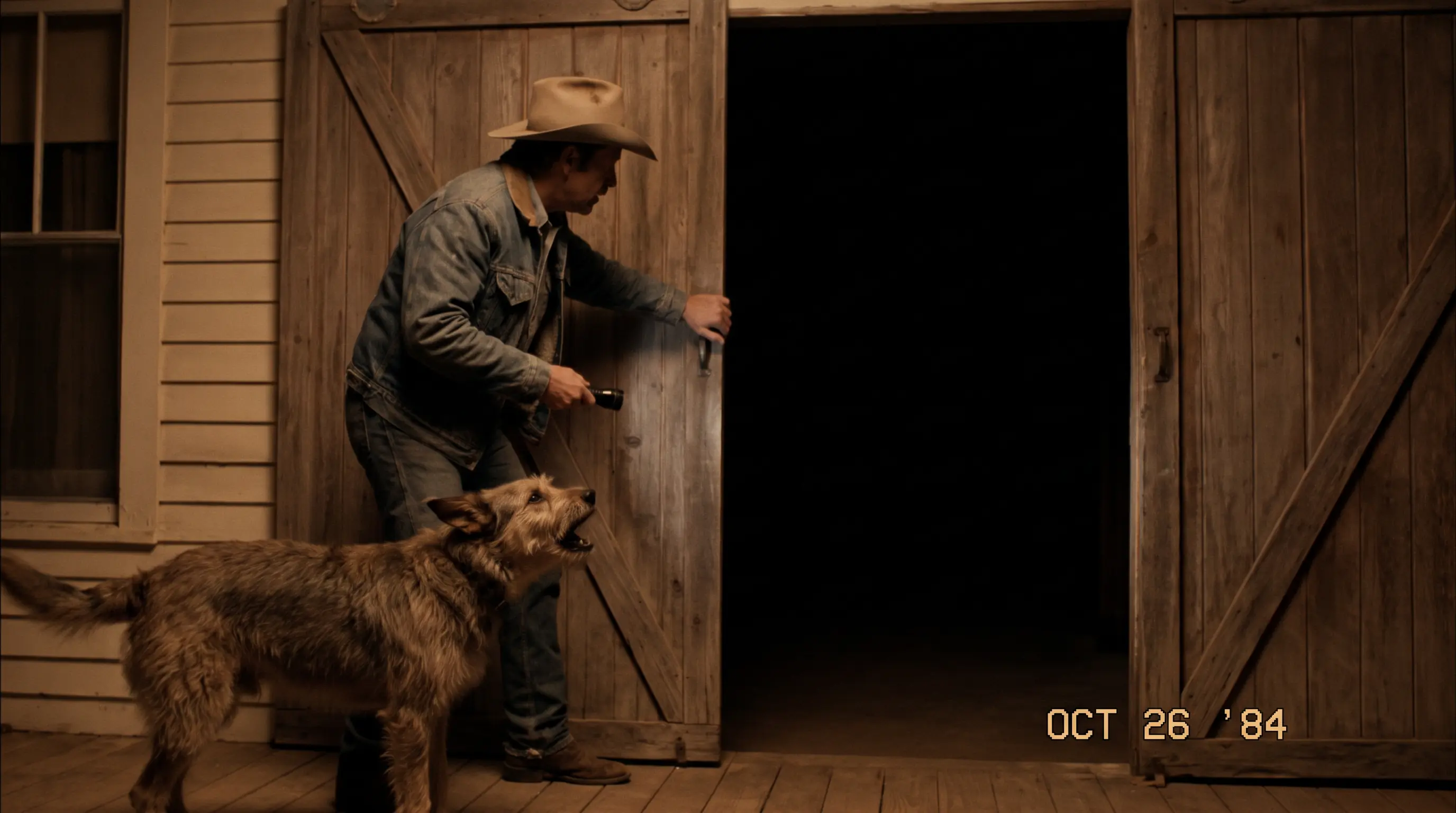
It was the nineteenth of March, 1985, a Tuesday, and the snow had been coming since a little after four. Not the dry, mean snow of January that blew across the Sandhills like flour, but the heavy wet stuff of spring, snow with water in it, snow that stuck to the north side of everything, including Arne.
The radio on the kitchen windowsill, a brown Zenith that Ilse had bought at the Gibson's in North Platte the year Kirsten graduated, had been tuned to KRVN out of Lexington for so long that the dial had a worn spot where the needle sat, and the man on KRVN had been saying since five that it was going to get worse. Winter storm warning for the central and western Sandhills.
Ten to sixteen inches, winds out of the northwest at thirty and forty by evening. Livestock producers urged to take precautions. The man said livestock producers the way a preacher says sinners, kindly, as if he knew you would not listen.
Arne had listened. He had the heifers in. That was the whole point of the barn.
There were nineteen of them, black baldies, two-year-olds bred to a low-birthweight Angus bull he had leased from the Haumann outfit north of the river, due across a three-week window that had opened the previous Friday. Three had calved already, easy, up and sucking before he finished his coffee. The other sixteen were in the barn and the lean-to and the small pen off the south end, bedded deep on Monday, when the sky over the Dismal River had gone the color of a galvanized bucket. The older cows, a hundred and forty head, were in the winter pasture on the east side behind the cedar windbreak his father had planted in the dust years. Some of them would calve out in it and some of the calves would die, and that was March in Hooker County. But a heifer calving for the first time in a blizzard was a heifer you could lose, and a calf, and four or five years of breeding with them, and so the heifers went in the barn.
And the dog would not go in the barn.
Her name was Fly. She was a black-and-white border collie with one ear that stood up and one that folded over at the tip, and a white blaze that ran up between her eyes and stopped as if somebody had drawn it with chalk and been called away. She was eleven years old. She had been Ilse's dog, which was the only way Arne ever thought of her, even two years after Ilse had died and Fly had started sleeping on his side of the bed instead of hers. Ilse had kept sheep, a little flock of Rambouillet ewes, never more than sixty head, that Arne had regarded for twenty-two years as a hobby and a nuisance. Fly had worked them the way some people play the piano, low to the ground, eyes fixed, moving so smoothly she seemed less to run than to be poured from one place to another. Ilse had worked her with whistles. Arne had never learned the whistles. He had cattle, and you moved cattle with a horse and a pickup and your voice.