On Fridays Selma Hodžić drove her father's car, and on every other day of the week it sat behind the shop under a gray fitted cover with an elastic hem, like a piece of furniture in a house where someone has gone away for the summer.
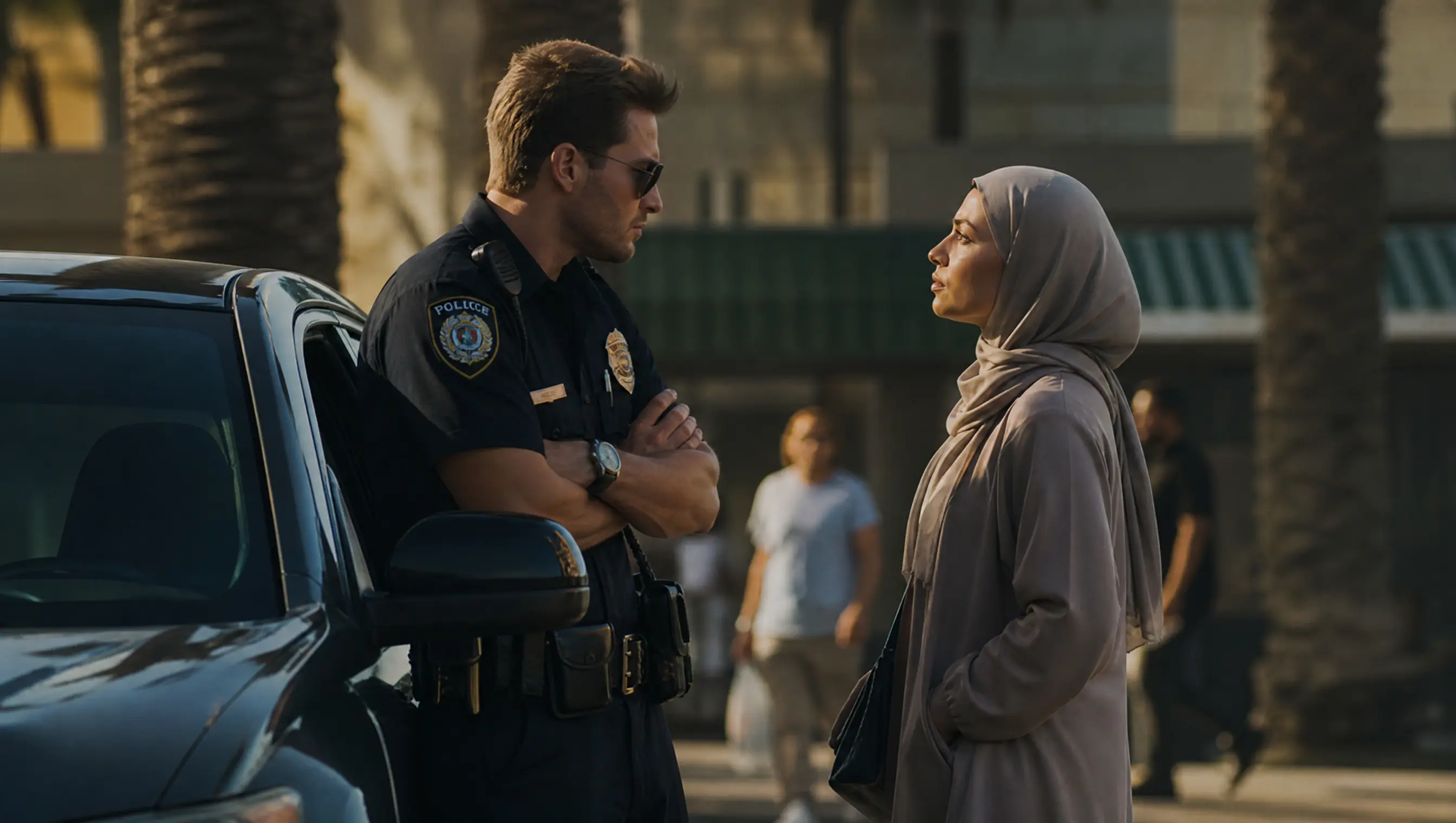
The rule was hers, not his. Her father had never made rules about the car, or about anything mechanical, except the one he repeated so often that her children could say it in his accent: a diesel that sits is a diesel that dies. He had said it about tractors in Bosnia and about delivery vans in Stuttgart and about the city buses that went past the shop on Morgan Ford Road coughing black at every stop, and he had said it, more than anything, about the 1984 Mercedes-Benz 300D that he had dragged home on a rented trailer in the summer of 2011 with no seats, no wheels, no radio, and a bird's nest in the air box. After he died, two winters ago, Selma had stood in the back lot with the cover in her arms and understood that if she did not make a rule, the car would sit, and it would die, and that would be the second time she had let something of his go quiet. So: Fridays. After the last customer, after she prayed, before she went to get Kenan from soccer. Thirty minutes, sometimes forty. Out Gravois and back, or down to the river and back, the windows cracked an inch so she could hear the engine work.
That Friday the last customer was a man named Mr. Chilton with a 2009 Sprinter van that he used for a church food pantry, and he had stood beside her at the counter for twenty minutes explaining that the van made a noise like a coffee can full of bolts on cold starts and then stopped making it once it warmed up, and that his nephew had told him it was the timing chain, and that if it was the timing chain he did not know what the pantry was going to do. Selma had listened to the van run cold at seven that morning, which was why she had asked him to leave it overnight, and she had listened to it again warm at noon, and she had put a stethoscope on the front cover of the engine with her eyes closed while Mirsad held the throttle, and it was not the timing chain. It was a heat shield on the exhaust that had lost one of its three bolts and rattled against the pipe until the metal expanded and pinched it quiet. She had put in a new bolt and a stainless washer, and she charged him for half an hour.
"Half an hour," Mr. Chilton said, looking at the ticket. He was a tall, stooped Black man in his seventies with a windbreaker that said FAITH TEMPLE OUTREACH across the back in white letters. "My nephew said it was going to be fourteen hundred dollars."
"Your nephew was guessing."
"He said he looked it up."
"He looked up the most expensive thing it could be." She turned the ticket around so it faced him and tapped the line. "It's a bolt. If it comes back, you bring it back and I'll look at it again for nothing."
He paid in cash, counting it out onto the counter, and then he stood there a moment longer with his wallet open, as if there were something he had not finished saying. She had run the shop by herself for two years and had worked in it, one way or another, for twenty-five, and she knew this pause. It was the pause of a man who had walked in that morning expecting a woman in a headscarf behind the counter of a garage to be the receptionist, or the owner's wife, or someone who would go get the real mechanic from the back, and who had found out over the course of the day that there was no one to go get, and was deciding whether to say anything about it.
"Your daddy did my brakes in 2006," he said finally. "On the old van. Before this one."
"He did a lot of brakes."