Children do not remember every day of childhood.
They will forget many breakfasts, errands, school mornings, car rides, and ordinary afternoons. They may not remember which pajamas they wore, which toy was once their favorite, or what was served for dinner on a particular Tuesday.
But they often remember how home sounded.
They remember whether their name was usually spoken with warmth or frustration.
They remember whether adults seemed happy when they entered the room.
They remember whether mistakes were met with guidance or humiliation.
They remember whether their ideas were welcomed, their stories were heard, and their presence felt like a gift rather than a burden.
A parent’s words can become part of a child’s inner voice.
Years later, when the child faces rejection, uncertainty, failure, or loneliness, they may hear the language that surrounded them when they were young.
“You can do this.”
“I love who you are.”
“You are a wonderful learner.”
“You are a treasure.”
These phrases may appear simple, but repeated sincerely, they can help shape identity, courage, curiosity, and emotional security.
Children spend much of their lives receiving instructions.
Get dressed.
Put your shoes on.
Finish your food.
Be careful.
Hurry up.
Clean your room.
Do your homework.
Go to sleep.
These instructions are necessary. Families need routines and boundaries. Children need guidance.
But if most communication between parent and child becomes correction, the child may begin to believe their main role in the family is to improve, obey, or avoid causing inconvenience.
That is why words of delight matter.
A child needs to hear not only, “I am responsible for you,” but also, “I enjoy you.”
Not only, “You need to learn,” but also, “I love the way your mind works.”
Not only, “Do better next time,” but also, “I believe you can do hard things.”
For older readers, especially parents and grandparents over sixty-five, some of these phrases may sound more emotionally direct than the language used in their own childhood homes.
Many people grew up knowing they were loved because food appeared, bills were paid, clothes were washed, and parents worked hard. Love was expressed through duty, sacrifice, and provision.
Those forms of love were real.
But children also benefit from hearing love spoken clearly.
A child should not have to interpret every sacrifice before knowing they are cherished.
They should hear:
“I love being with you.”
“I love hearing what you have to say.”
“You bring joy to this home.”
Direct affection does not make children weak or spoiled. When paired with boundaries and responsibility, it gives them security from which growth becomes possible.
The words should appear inside real life.
After a hug.
During play.
When the child is nervous.
After a mistake.
At bedtime.
While reading.
During a quiet car ride.
The phrase matters, but the tone and timing make it believable.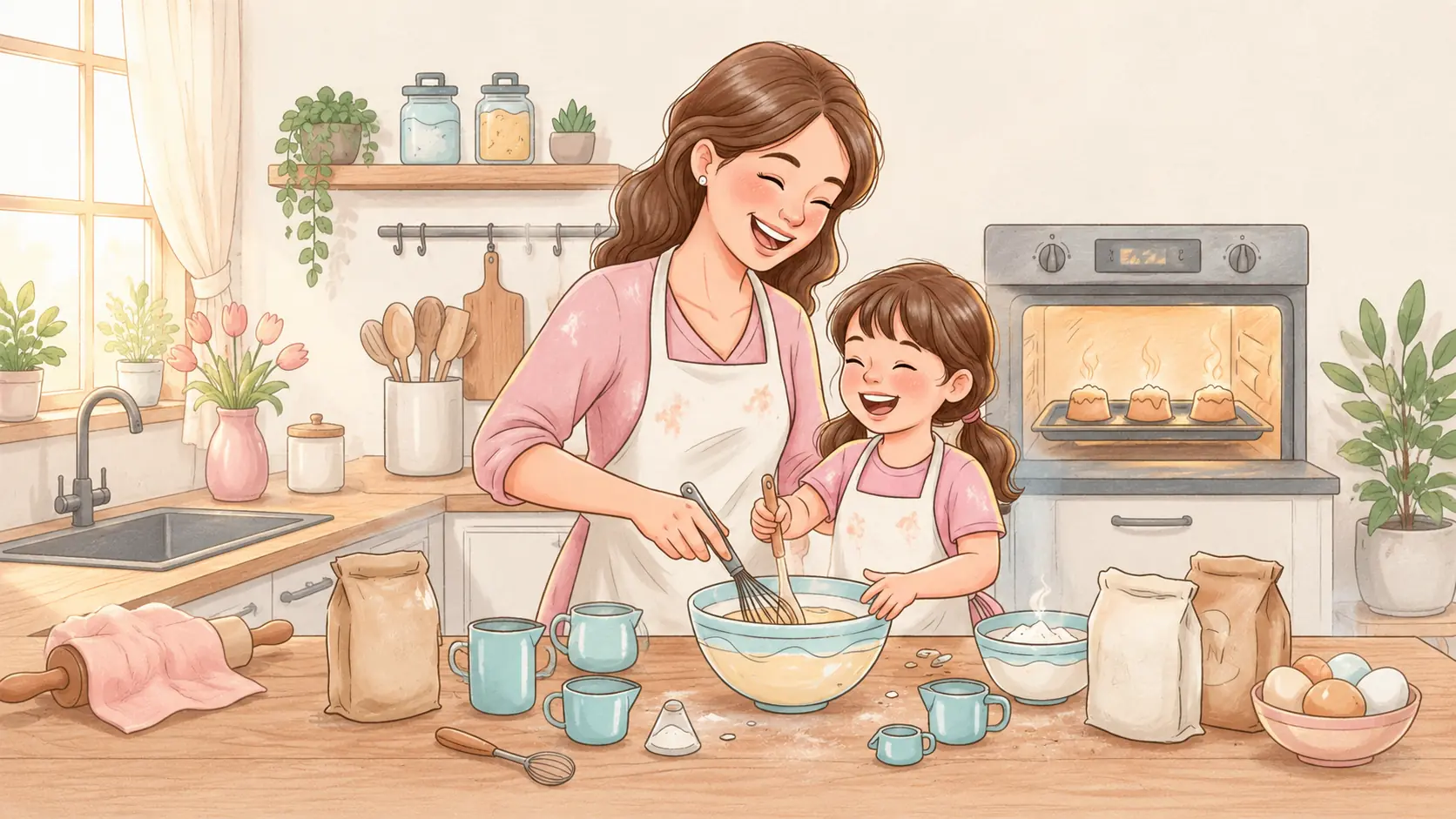
1. “There Is No One Else in the World Like You. I Love Who You Are.”
Children compare themselves early.
They notice who runs fastest, reads first, receives attention, has the newest toy, or seems more popular.
As they grow, comparison becomes more intense. They measure intelligence, appearance, talent, confidence, friendships, and achievement.
A parent can offer a stabilizing message:
“There is no one else in the world like you. I love who you are.”
This does not mean the child is better than everyone else.
It means they are not required to become someone else in order to belong.
Love the Person While Guiding the Behavior
Loving who a child is does not mean approving every action.
A child can be deeply loved and still need correction.
The parent can say:
“I love who you are. The way you treated your brother was not okay.”
The behavior is addressed without attacking identity.
Protect Individuality
One child may be quiet.
Another energetic.
One loves sports.
Another prefers books, music, animals, or building.
Parents should be careful not to force every child into the same image of success.
“I love who you are” gives the child permission to develop a real identity rather than perform a role.
Avoid Comparisons Between Siblings
“Why cannot you be more like your sister?” damages the message.
Each child should feel known on their own terms.
Allow Growth
Loving who the child is today does not mean freezing them in childhood.
Interests, beliefs, and goals will change.
A parent can remain curious:
“Tell me who you are becoming.”
The Lifelong Gift
A child who hears this message may become less vulnerable to relationships that demand they erase themselves to earn love.
2. “You Give the Best Hugs”
Safe physical affection can communicate what words sometimes cannot.
A child who offers a hug may be expressing joy, fear, tiredness, apology, or a need for reassurance.
“You give the best hugs” tells the child their affection is received with delight.
Affection Must Never Be Forced
Children should not be required to hug relatives or adults when they do not want to.
A wanted hug is connection.
A forced hug can teach that politeness matters more than bodily autonomy.
Parents can offer alternatives:
“Would you like to wave, high-five, or say hello?”
Do Not Rush the Hug
When possible, let the child be the one to release first.
The extra seconds may help their body settle.
Notice Affection Beyond Hugs
Some children are less physically affectionate.
They may show love through drawings, helping, sitting nearby, or sharing a favorite object.
Parents should not make them feel emotionally inadequate.
What the Child Remembers
They remember that their closeness was welcome.
That home contained arms where they could rest.
3. “I Love Hearing What You Have to Say”
Children tell long stories.
They begin in the middle, repeat details, forget names, and include information adults consider unnecessary.
A distracted parent may say:
“Get to the point.”
But children are learning whether their voice deserves time.
“I love hearing what you have to say” communicates interest in the child’s mind.
Little Stories Build the Road to Big Conversations
If parents listen to stories about toys, lunch, and games, children are more likely to share later about fear, bullying, relationships, mistakes, and pressure.
Ask Follow-Up Questions
“What happened next?”
“How did you feel?”
Follow-up questions show genuine attention.
Listen Without Immediate Correction
Not every story needs a lesson.
Sometimes the child needs a witness.
Put the Phone Away Sometimes
Full attention for ten minutes can matter more than an hour of distracted listening.
Protect Their Trust
Do not repeat personal stories for family entertainment without permission.
The Lifelong Gift
A child who feels heard develops confidence in their voice and is more likely to seek help when needed.
4. “You Can Do This”
Children often doubt themselves before trying.
They may say:
“I cannot.”
“I am scared.”
“I am not good at this.”
“You can do this” offers courage, but it should not dismiss genuine difficulty.
Make the Encouragement Realistic
Instead of promising easy success, say:
“You can take the next step.”
This feels believable.
Be Specific
“You practiced.”
“You have handled hard things before.”
Specific evidence strengthens confidence.
Do Not Use It as Pressure
“You can do this, so stop crying” may feel like rejection.
The child can need comfort and still be capable.
Help Without Taking Over
“I will stay nearby while you try.”
This communicates support and confidence.
Celebrate Attempts
Even when the result is imperfect:
“You did something difficult.”
The Lifelong Gift
The child may later hear this phrase before interviews, medical procedures, parenting challenges, or major decisions.
5. “I’m Your Biggest Cheerleader”
A cheerleader does not play the game for someone.
They encourage from the side.
This is an important image for parenting.
A parent can support without controlling every outcome.
Support the Child’s Effort
Attend when possible.
Ask about what matters to them.
Celebrate growth.
Do Not Make Their Success About You
Avoid:
“You need to win because I have sacrificed so much.”
True support does not create emotional debt.
Cheer During Failure Too
A child most needs encouragement when embarrassed or disappointed.
“I am still in your corner.”
Respect Their Own Goals
The child’s dream may differ from the parent’s dream.
Support should not require living the life the parent imagined.
The Lifelong Gift
The child learns that love remains present before, during, and after performance.
6. “You Have Amazing Ideas”
Children are naturally inventive.
They turn boxes into castles, invent stories, create unusual rules, and ask questions adults stopped asking years ago.
“You have amazing ideas” affirms the mind behind the creation.
Do Not Correct Creativity Too Quickly
The sky can be purple.
The toy can have a new purpose.
Play does not need realism.
Ask About the Idea
“How did you think of that?”
Curiosity deepens confidence.
Creativity Is More Than Art
It appears in problem-solving, humor, building, storytelling, and new solutions.
Avoid Empty Praise
Be specific:
“That was a clever way to solve it.”
Protect the Child From Perfectionism
Creative ideas need room to be unfinished and messy.
The Lifelong Gift
A child who trusts their ideas may become an adult who creates, adapts, and solves problems confidently.
7. “I Love Being With You”
Children can know they are loved while still wondering whether adults enjoy their company.
Parents may spend so much time managing behavior that the child hears mostly sighs, corrections, and requests.
“I love being with you” gives a different message.
“You are not merely another task.”
Say It During Ordinary Time
While driving.
Folding laundry.
Eating breakfast.
The ordinary timing makes it believable.
Children Notice Facial Expressions
A parent’s face should occasionally communicate delight when the child enters.
Do Not Make the Child Responsible for Your Happiness
“I love being with you” is healthy.
“You are the only person who makes me happy” creates pressure.
Respect the Child’s Need for Space
Enjoying them does not mean demanding constant closeness.
The Lifelong Gift
The child grows knowing their presence can be a source of joy, not an inconvenience.
8. “Your Laugh Is One of My Favorite Sounds”
Laughter is part of the emotional music of a home.
When a parent says this, the child hears that their joy brings joy.
Make Room for Playfulness
Children need times when every interaction is not correction or education.
Do Not Shame Loud Joy Automatically
Volume may need guidance, but enthusiasm itself is not wrong.
“I love your laugh. We need a quieter voice in this room.”
Never Make the Child Perform Happiness
They do not need to laugh to make adults comfortable.
Sadness and quiet are allowed.
Family Humor Creates Belonging
Shared jokes and funny rituals often become treasured memories.
The Lifelong Gift
A child remembers that their joy was welcome.
9. “Can I Play With You?”
Adults usually direct children.
This question reverses the pattern.
It gives the child leadership.
Ask Permission
Entering play respectfully communicates that the child’s world belongs to them.
Follow Their Rules
Let them explain what happens.
Avoid Taking Over
Do not rebuild, correct, or improve everything.
Ten Minutes Can Be Enough
Short, undivided play can strengthen cooperation and connection.
Adapt for Older Children
Play may become a game, shared hobby, cooking, or watching something together.
The Lifelong Gift
The child remembers that the parent did not only supervise them.
The parent enjoyed entering their world.
10. “You Bring So Much Joy to Our Home”
Children sometimes feel responsible for family stress.
They hear adults discuss bills, fatigue, schedules, and problems. They may wonder whether their needs make life harder.
“You bring so much joy to our home” reminds them that their presence is not only work.
Be Specific
“You made everyone laugh at dinner.”
“You bring such warmth when you greet us.”
Do Not Deny That Parenting Is Hard
The child can bring joy and still require effort.
Both truths can exist.
Avoid Burdening the Child
They are not required to keep the home cheerful.
Their sadness is also welcome.
The Lifelong Gift
The child understands they contributed something irreplaceable to the family atmosphere.
11. “You Are a Really Good Thinker”
Children are often praised for knowing the correct answer.
This phrase praises the process of thought.
Ask How They Reached the Answer
“Tell me how you figured that out.”
Praise Questions
Good thinking includes curiosity.
Allow Different Approaches
The child may solve the problem differently from the adult.
Avoid Labeling Only One Child as “The Smart One”
Fixed family roles create pressure and resentment.
Praise Reflection After Mistakes
“You thought carefully about what you would change.”
The Lifelong Gift
The child learns to trust their reasoning while remaining open to learning.
12. “Your Smile Brightens the Whole Day”
A loving appearance-related comment can be meaningful when it is about warmth and connection rather than beauty standards.
This phrase says that the child’s joy affects the people who love them.
Never Demand a Smile
Children should not be told to smile when sad, uncomfortable, or afraid.
Value All Expressions
Their serious, thoughtful, and tired faces are also accepted.
Connect It to Relationship
“Seeing you happy brings me joy.”
Avoid Making Appearance the Main Source of Praise
Balance this phrase with compliments about kindness, effort, courage, and character.
The Lifelong Gift
The child remembers that their happiness was noticed without feeling required to perform it.
13. “You Are So Creative When You Play. I Love Seeing and Hearing Everything You Come Up With”
This phrase gives detailed attention to the child’s imagination.
It says the adult is not only watching the finished creation but enjoying the process.
Narrate What You Notice
“You made a whole story for those animals.”
Let Play Remain Child-Led
Do not convert every game into a lesson.
Write Down Their Stories Sometimes
Children feel honored when adults preserve their words.
Encourage Without Overscheduling
Creativity also needs boredom and unstructured time.
Protect Messy Exploration
Reasonable boundaries are necessary, but not every mess is a problem.
The Lifelong Gift
The child grows knowing imagination deserves space.
14. “You Are Brilliant”
This is a powerful phrase and should be used thoughtfully.
Children can interpret brilliance as a fixed identity they must constantly prove.
Connect Brilliance to Specific Thinking
“That was a brilliant solution.”
Do Not Make It a Performance Standard
The child is allowed to struggle.
Celebrate Different Forms of Intelligence
Emotional insight, practical skill, creativity, memory, movement, language, and social awareness all matter.
Avoid Comparisons
Brilliance does not require another child to be less capable.
Pair It With Effort
“You had a great idea, and you worked hard to develop it.”
The Lifelong Gift
The child learns to appreciate their mind without fearing every mistake.
15. “You Are a Wonderful Learner”
This phrase focuses on growth rather than perfection.
A learner does not need to know everything already.
Praise Curiosity
“You asked a thoughtful question.”
Praise Strategy
“You tried a different way.”
Normalize Confusion
“Not understanding yet is part of learning.”
Allow Mistakes
Mistakes provide information.
Do Not Rush to Give Answers
Ask what the child thinks first.
The Lifelong Gift
The child becomes more willing to attempt difficult things without fearing that struggle means inadequacy.
16. “I’m Sorry”
Few phrases teach more than a parent’s sincere apology.
Some adults fear apologizing weakens authority.
It actually demonstrates integrity.
Be Specific
“I am sorry I yelled.”
Do Not Add Blame
Avoid:
“I am sorry, but you made me angry.”
Acknowledge Impact
“That may have scared you.”
Explain the Plan
“Next time I will pause before I answer.”
Keep the Boundary
The child’s behavior may still need correction.
Both people can be responsible for their part.
Do Not Demand Immediate Forgiveness
The child may need time.
The Lifelong Gift
The child learns that love and accountability can exist together.
17. “Thank You”
Children should not only be commanded to show gratitude.
They should receive it too.
Thank Them for Real Contributions
“Thank you for helping with the dishes.”
Notice Thoughtfulness
“Thank you for checking on me.”
Avoid Excessive Praise for Basic Existence
Gratitude should feel sincere, not performative.
Thank Them When They Communicate Honestly
“Thank you for telling me the truth.”
Model Everyday Courtesy
Parents who say please and thank you demonstrate mutual respect.
The Lifelong Gift
The child learns that family members do not take one another’s effort for granted.
18. “Can I Read You a Book?”
Reading together offers more than language development.
It creates closeness, rhythm, imagination, and shared attention.
Let the Child Choose Sometimes
Choice increases ownership.
Read Without Testing Constantly
Not every page needs comprehension questions.
Enjoy the story.
Pause for Curiosity
“What do you think happens next?”
Continue Beyond the Early Years
Older children may enjoy chapter books, articles, poems, or listening together.
Make It a Ritual
A familiar reading time becomes emotional security.
Adapt When Distance Separates You
Grandparents can read through video calls or recordings.
The Lifelong Gift
The child may remember the voice more than the story.
19. “I’m So Glad God Chose Me to Be Your Mommy”
For families of faith, this phrase communicates sacred gratitude.
The child hears that their relationship is not accidental or merely burdensome.
Use Faith to Communicate Love, Not Control
The phrase should not become:
“God gave you to me, so you must obey everything I say without question.”
Faith should deepen responsibility and tenderness.
Make Room for Questions
Children may question faith as they grow.
A secure parent can listen without panic.
Express Gratitude Without Burden
The child is a gift, not responsible for fulfilling the parent emotionally.
Include Difficult Seasons
“I am still grateful to be your mother even when today is hard.”
This makes the message believable.
For Grandparents or Other Caregivers
The phrase can be adapted:
“I am grateful God made me your grandma.”
“I am grateful God brought us into each other’s lives.”
The Lifelong Gift
The child carries a sense of being received with purpose and gratitude.
20. “You Are a Treasure”
A treasure is valuable before proving usefulness.
It is protected, cherished, and treated with care.
Calling a child a treasure communicates inherent worth.
Worth Is Not Based on Achievement
The child does not need to earn the title through grades, talent, obedience, or appearance.
A Treasure Still Needs Guidance
Being precious does not mean every behavior is acceptable.
“You are a treasure, and we need to make this right.”
Never Compare Value
One child’s worth does not reduce another’s.
Say It During Hard Moments Too
The phrase is most powerful after disappointment or failure.
Avoid Possessiveness
The child is valuable but not owned.
They will grow into an independent person.
The Lifelong Gift
The child knows their worth existed before the world began measuring them.
Beautiful Words Must Be Supported by Beautiful Patterns
Children trust actions more than slogans.
“I love hearing what you say” requires listening.
“I love being with you” requires some undistracted time.
“You can do this” requires allowing the child to try rather than taking over.
“You are a treasure” requires treating the child with dignity during correction.
Parents will not do this perfectly.
They will become distracted, impatient, tired, and overwhelmed.
The most powerful phrase may sometimes be:
“I am sorry. Let us try again.”
When Emotional Language Feels Unnatural
Some parents were not raised with direct affection.
Saying these phrases may feel awkward.
Begin with the ones that feel most genuine.
“Thank you.”
“I love being with you.”
“You had a great idea.”
Write the words in a note if speaking them feels difficult.
Emotional fluency grows through practice.
Avoid Turning the Phrases Into Constant Praise
Children do not need commentary on every action.
Too much praise can make them dependent on external approval or suspicious of exaggerated language.
Use these phrases sincerely and specifically.
Also ask:
“How do you feel about what you made?”
This helps the child develop internal satisfaction.
What Older Parents May Wish They Had Said More Often
Many older parents look back and remember how busy they were.
They loved their children but expressed it through work and sacrifice more than words.
It may not be too late.
Adult children still need to hear:
“I loved being your mother.”
“I am proud of the person you became.”
“I am sorry for the moments I made you feel otherwise.”
Words spoken late can still bring healing.
What Grandparents Can Say Now
Grandparents can adapt these phrases naturally:
“There is no one else like you.”
“I love hearing what you think.”
“I am your biggest cheerleader.”
“I am so grateful I get to be your grandma.”
“You are a treasure.”
Grandparents should support the parents rather than compete with them.
Their role can add another layer of secure love.
The Inner Voice These Words Can Build
Repeated loving language can become part of how children speak to themselves.
After failure:
“I can learn.”
During fear:
“I can take the next step.”
When comparison appears:
“There is no one else exactly like me.”
When loneliness arrives:
“My presence has value.”
When they make a mistake:
“I can apologize and repair.”
This is not guaranteed. Children will still struggle.
But the family voice becomes one source of strength against the harsher voices they may meet elsewhere.
A Final Message From Mommy
My dear child, there is no one else in the world exactly like you.
I do not need you to become someone else before I love who you are.
Your way of seeing, thinking, laughing, wondering, and creating brings something into this family that no one else could bring.
I love your hugs when you want to give them, and I will respect the moments when your body needs space.
I love hearing what you have to say, even when your stories are long, complicated, or difficult for me to understand.
Your voice matters in this home.
When life feels hard, I hope you hear me say, “You can do this.”
Not because every challenge will be easy.
Because you can take one step, ask for help, rest, learn, and try again.
I am your biggest cheerleader.
I will celebrate your victories, but I will also stand beside you when there is nothing to celebrate yet.
I will be proud of the courage it takes to begin again.
You have amazing ideas.
I hope the world never convinces you to hide your imagination simply because someone else cannot see what you see.
I love being with you.
Not only teaching you, correcting you, or caring for you.
Being with you.
Your laugh is one of my favorite sounds, but you do not have to be happy all the time to be welcome near me.
Your sadness, silence, worry, and tiredness belong here too.
I hope I keep asking, “Can I play with you?”
Because your world deserves visitors who enter with respect.
You bring joy to our home.
You are not only another responsibility on my list.
Your presence has changed this family forever.
You are a thoughtful person.
A creative person.
A learner.
A mind filled with possibilities.
When I call you brilliant, I do not mean you must always know the answer.
I mean your mind is worthy of trust, curiosity, and growth.
I will say “I am sorry” when my actions hurt you.
Being your parent does not make me too important to apologize.
I will say “thank you” because your effort, honesty, help, and love should never be taken for granted.
I will read to you while you still want me beside you, and I will treasure the sound of your voice when one day you read without my help.
I am so glad God chose me to be your mommy.
Not because every day is easy.
Not because I always know what to do.
Because being your mother is one of the most sacred relationships of my life.
You are a treasure.
Not because of what you achieve.
Not because of how well you behave.
Not because of how the world sees you.
You are valuable because you are you.
One day, you may forget many of these words.
You may forget the room where I said them or how old you were.
But I hope the meaning remains.
I hope you always know that you were loved, enjoyed, listened to, encouraged, and cherished.
I hope that when the world speaks harshly, there is still a gentler voice inside you saying:
“There is no one else like me.”
“I can learn.”
“I can begin again.”
“I am worthy of love.”
“I am a treasure.”
That is the voice I hope my love helps you carry for the rest of your life.