Turmeric dosage: this is how much turmeric you actually need to eat for arthritis, cancer and other diseases
Health 04/12/2025 12:48
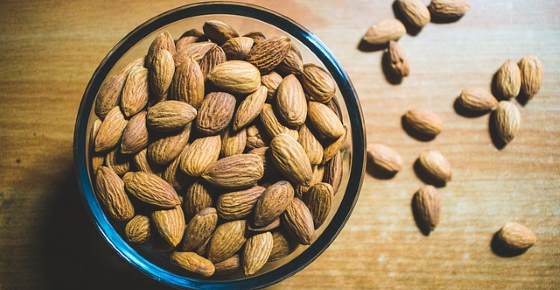
Almonds: Why This Tiny Nut Is Such a Big Deal for Your Health
Almonds aren’t just a crunchy snack – they’re one of the most nutrient-dense foods you can add to your daily routine. Packed with protein, fiber, healthy fats, vitamins, minerals, and antioxidants, almonds support everything from your heart and weight to your blood sugar and brain.
Below is a clear, simplified breakdown of why almonds are so good for you, based on what research has found.
Almonds are the edible seeds of the almond tree fruit (a drupe), not true “nuts.”
They can be eaten:
Raw (with skin)
Blanched (skin removed)
Roasted
Ground into almond flour
Made into almond milk, almond butter, or paste
The brown skin is especially valuable because it contains many antioxidants. Soaked almonds (to reduce phytic acid) can also improve nutrient absorption for some people.
A 1-ounce (28 g) serving of almonds (about 23 nuts) provides roughly:
164 calories
6 g protein
6 g carbs
3.5 g fiber
14 g fat (mostly heart-healthy mono- and polyunsaturated fats)
37% of daily vitamin E
Around 19% magnesium, plus manganese, phosphorus, and copper
Half a cup of almonds also gives you about 30% of your daily iron needs.
Despite being calorie-dense, studies show that almonds do not typically cause weight gain when eaten in reasonable daily portions and can actually support weight loss.
Almonds are filling due to their protein, fiber, and healthy fats.
Research shows:
Almonds increase satiety and reduce overall calorie intake later in the day.
People on weight-loss diets who add almonds often lose more weight, fat mass, and waist circumference than those who don’t.
In short: a small handful of almonds can help curb cravings and support fat loss, not sabotage it.
Almonds are low in carbs and have a low glycemic load, which is helpful for people with insulin resistance or diabetes. Studies suggest that:
Regular almond intake can improve blood sugar control and reduce some diabetes complications.
Almonds are a good natural source of magnesium, a mineral many people with diabetes lack and which is crucial for glucose regulation.
Almonds are very cardioprotective because they:
Lower LDL (“bad”) cholesterol
Help prevent LDL oxidation
Provide heart-healthy unsaturated fats
Support better blood pressure thanks to magnesium and potassium
Eating about 1–2 ounces (28–56 g) of almonds daily has been repeatedly linked to improved heart markers and reduced cardiovascular risk.
Almonds:
Provide vitamin E and healthy fats that protect brain cells from oxidative damage
May improve memory and learning according to animal studies
Have been shown to enhance attention and performance when eaten with meals in some human studies
A small daily serving can be a simple “brain snack” for long-term cognitive support.
Almonds benefit your gut in two ways:
Fiber improves bowel regularity and stool bulk.
Almond components act as prebiotics, feeding beneficial gut bacteria.
Both raw and dry roasted almonds have been shown to increase levels of good gut microbes, which in turn support digestion, immunity, and metabolic health.
Because almonds are rich in antioxidants (especially in the skin) and vitamin E, they:
Help your body fight oxidative stress and free radical damage
Support immune function and may help reduce viral infection risk
Lower inflammatory markers in people with conditions like type 2 diabetes
Regular nut intake, including almonds, is linked to less chronic inflammation—one of the driving forces behind heart disease, diabetes, and other long-term illnesses.
Some studies show that people who add almonds to a reduced-calorie diet:
Not only lose more weight
But also improve liver enzyme levels
This suggests almonds may help protect liver function, especially in people with obesity or metabolic issues.
High nut consumption (including almonds) has been associated with a lower risk of certain cancers such as:
Colorectal
Pancreatic
Endometrial
Possibly breast cancer
This is likely due to the combination of fiber, healthy fats, antioxidants, and anti-inflammatory compounds found in almonds.
Most studies use 1–2 ounces (about 23–46 almonds) per day. General guidelines:
A standard serving: 1 oz (28 g) ≈ 23 almonds
Safe, beneficial range for most people: 1–2 servings per day
Despite being energy-dense, these amounts have not been shown to promote weight gain when part of an overall balanced diet.
With skin: More antioxidants and polyphenols.
Soaked: Can reduce phytic acid, potentially improving mineral absorption for people who consume a lot of nuts and seeds.
Roasted: Still healthy and may even increase certain prebiotic effects on gut bacteria.
Choose whichever you enjoy and digest best.
Snack on a small handful of soaked or raw almonds.
Sprinkle chopped almonds over salads, yogurt, or oatmeal.
Blend into smoothies for extra creaminess and nutrients.
Use almond flour instead of wheat flour in some recipes, especially if you’re gluten-free or low-carb.
Swap regular milk for enriched almond milk if it suits your diet.
People with tree nut allergies should avoid almonds or only consume them under medical guidance.
Stick to moderate daily portions to keep calories in check if you’re trying to lose weight.