Jorge the turtle, a loggerhead sea turtle, captured the world’s attention when he was released back into the wild in 2020 after spending over four decades in captivity at the Fundación Mundo Marino in Argentina. Originally discovered in 1979 as a juvenile, Jorge was found with an injury that required medical attention, leading him to be placed in a rehabilitation center. However, over the years, his condition improved, and he became a permanent resident at the facility, where he lived for more than 40 years.
In April 2020, after extensive preparations to ensure his readiness for life in the wild, Jorge was finally released into the Atlantic Ocean. As part of his reintegration process, researchers fitted him with a GPS satellite tracker to monitor his movements and behavior in the wild. The goal was to gather crucial data that would inform conservation efforts and offer valuable insights into the adaptability of long-captive marine animals. According to Mundo Marino, Jorge’s progress was tracked diligently, and within just 70 days of his release, he had traveled an astonishing 1,700 miles (approximately 2,700 kilometers), moving north along the South American coastline. This remarkable journey was seen as an encouraging sign of his successful reintegration into the natural environment, demonstrating his ability to navigate the open sea after decades in captivity.
Jorge’s release was widely celebrated by conservation organizations, environmental groups, and the media. Mundo Marino, along with other groups, hailed this event as an example of successful long-term rehabilitation, pointing out that it showcased the positive outcomes of proper care in captivity followed by a well-planned rewilding process. His story serves as a powerful reminder of the resilience of marine wildlife, as well as the importance of providing appropriate care to animals in rehabilitation before reintroducing them to their natural habitats. It also highlighted the significance of the role conservation programs play in supporting the survival and recovery of species that face threats in the wild.
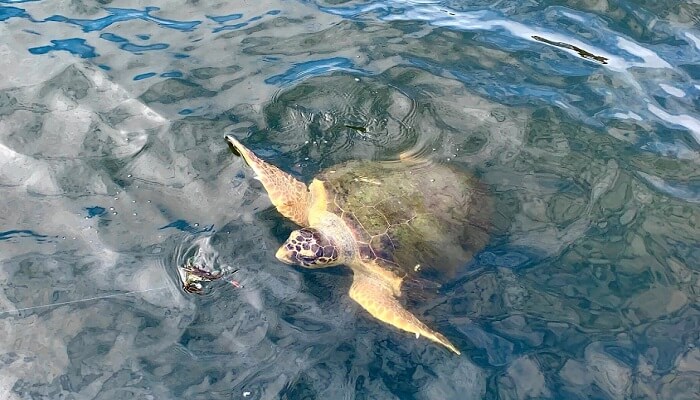
Loggerhead sea turtles are known for their long-distance migratory journeys, which makes Jorge’s achievement even more remarkable. These turtles are capable of traveling vast distances across oceans, often covering thousands of miles as part of their migratory behavior. The successful release of Jorge into the wild is not only a victory for conservationists but also a milestone in the study of how marine species can adapt to life in the wild after extended periods of captivity. Researchers have been able to study Jorge’s movements and behavior, which provides invaluable data that helps improve the understanding of sea turtle migratory patterns, as well as the challenges faced by reintroduced marine animals.
Jorge’s journey has contributed significantly to ongoing research efforts aimed at enhancing the rehabilitation and release of captive sea turtles. His data is being used to better understand the behavior, movement patterns, and survival rates of long-captive sea turtles once they are reintroduced into the wild. This knowledge is vital for conservation programs focused on marine species recovery and is a testament to the importance of such rehabilitation and rewilding initiatives.
While Jorge’s case stands as a beacon of hope for the success of long-term rehabilitation and rewilding, it also serves as a call to action for increased efforts in protecting sea turtle populations and their habitats. The story of Jorge the turtle illustrates the profound impact that careful conservation and rehabilitation efforts can have on the survival of endangered species, providing hope for future generations of sea turtles and other marine life.
Sources:
-
Mundo Marino (2020). Jorge the Turtle’s Release: A Success Story of Rehabilitation and Rewilding.
-
National Oceanic and Atmospheric Administration (NOAA). Loggerhead Sea Turtles: Migratory Patterns and Conservation Efforts.
-
Marine Conservation Institute (2021). Tracking Marine Species: The Role of Technology in Conservation.