
Inside Google’s Green Initiative: The Goats of Mountain View
Facts 04/12/2025 09:27
Airports around the world have seen a wave of security upgrades, but few changes have sparked as much surprise as the revamp of full-body scanners in U.S. airports. While these machines were initially introduced to bolster security, travelers were shocked by the level of detail they revealed, raising significant privacy concerns.
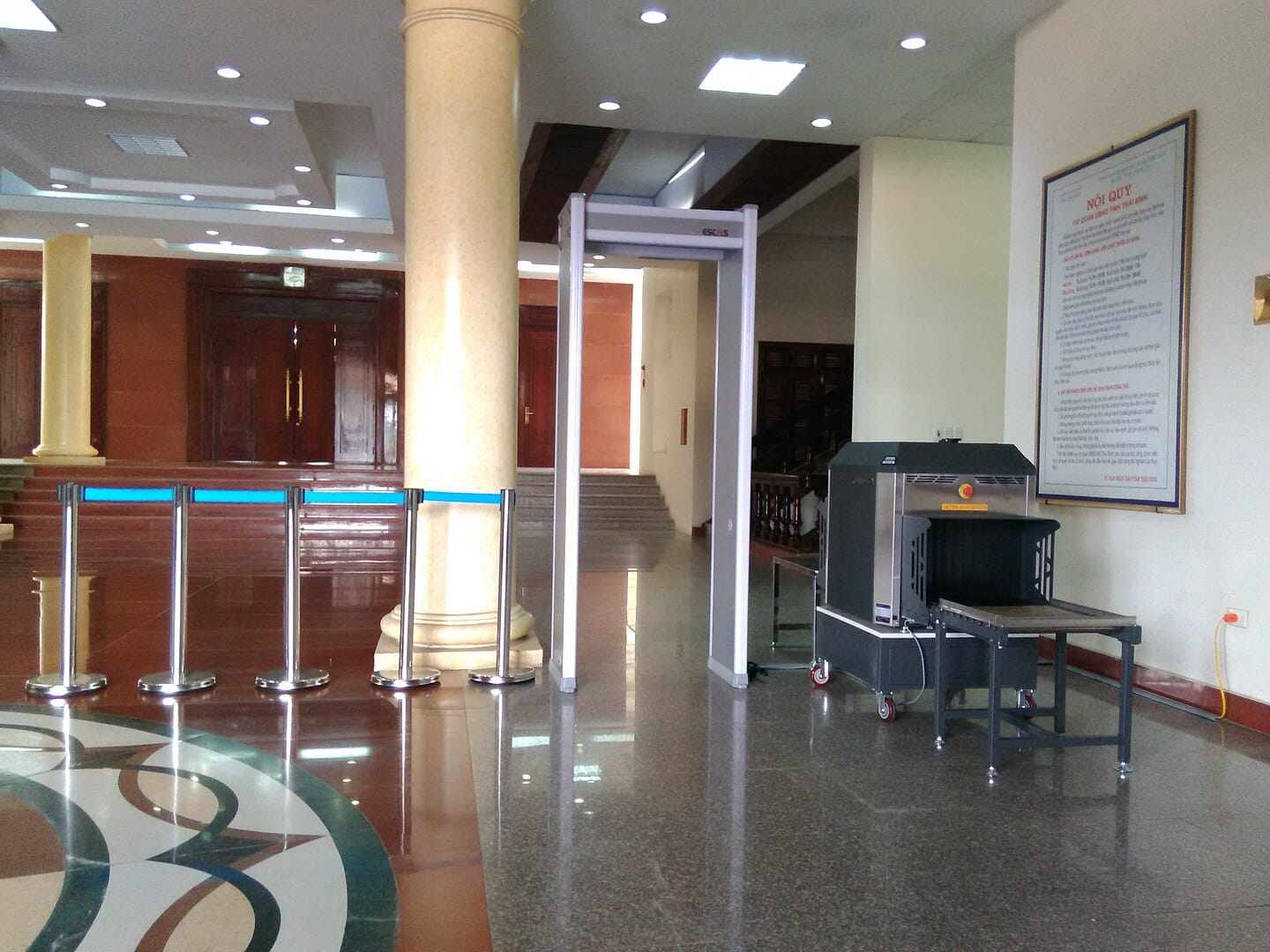
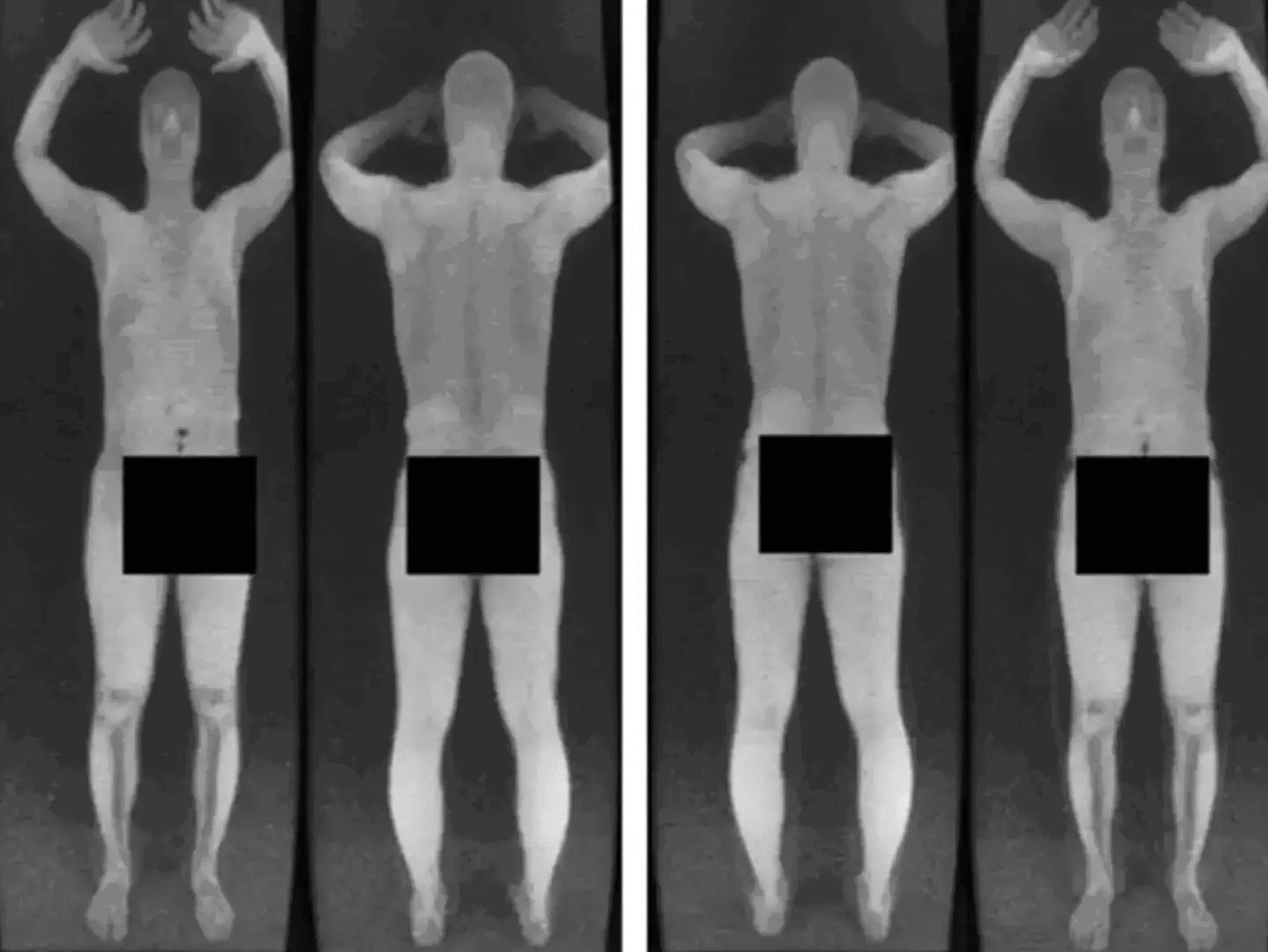
The push for full-body scanners began after a 2009 incident where a passenger attempted to detonate explosives concealed in their underwear. To counter such threats, the Transportation Security Administration (TSA) introduced scanners developed by OSI Systems’ Rapiscan division. These devices generated infrared images of passengers, but the explicit level of detail quickly became a source of controversy.
Passengers were alarmed to discover that the scanners essentially left them feeling exposed, as the images provided an uncensored view of their bodies. Public backlash against this invasion of privacy forced the TSA to take action, demanding that Rapiscan implement software capable of obscuring sensitive details.
Despite being given a deadline of June 2013 to develop less invasive software, Rapiscan admitted it couldn’t meet the requirements. This led the TSA to terminate its contract, stating, “TSA has strict requirements… Due to its inability to deploy non-imaging Automated Target Recognition (ATR) software… TSA has terminated part of its contract with Rapiscan.”
By mid-2013, the TSA replaced Rapiscan scanners with models from L-3 Communications. These new machines used advanced technology to display generic outlines of passengers rather than detailed images. The upgrade successfully addressed privacy concerns while maintaining rigorous security standards, allowing travelers to pass through lines faster and with less anxiety.
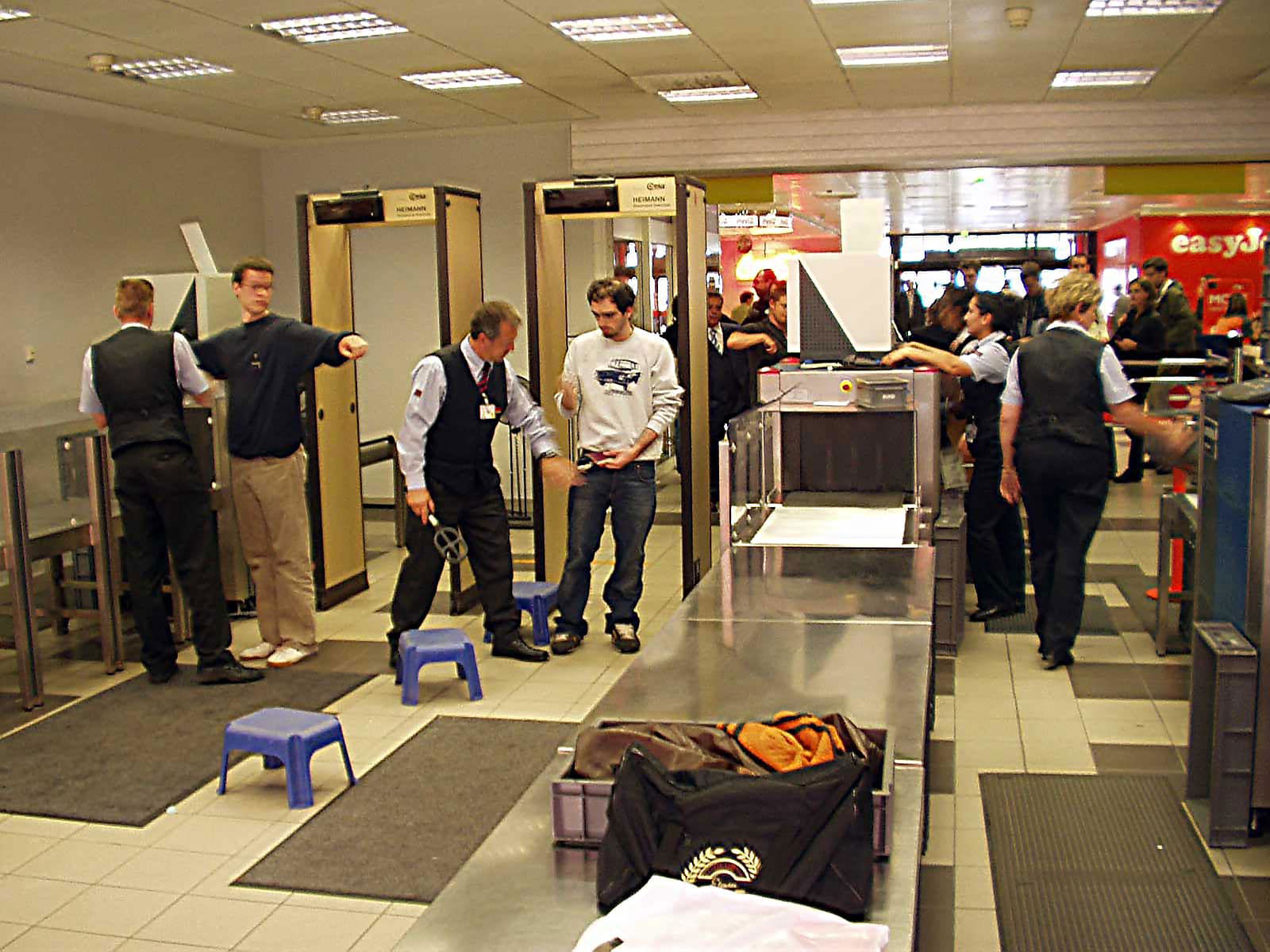
Airport security has always been a source of stress, compounded by fears of unknowingly violating rules. Before the scanner upgrade, these fears were heightened by the invasive technology, leaving passengers uneasy before their trips even began. While some experts argue the older scanners were more thorough, the TSA asserts the updated models strike a fair balance between safety and traveler comfort.
The scanner controversy underscores the importance of transparency and adaptability when deploying new technologies. Rapid advancements often introduce unforeseen challenges, as seen in this case. The TSA’s willingness to listen to public concerns and make necessary adjustments highlights its dedication to improving the passenger experience.
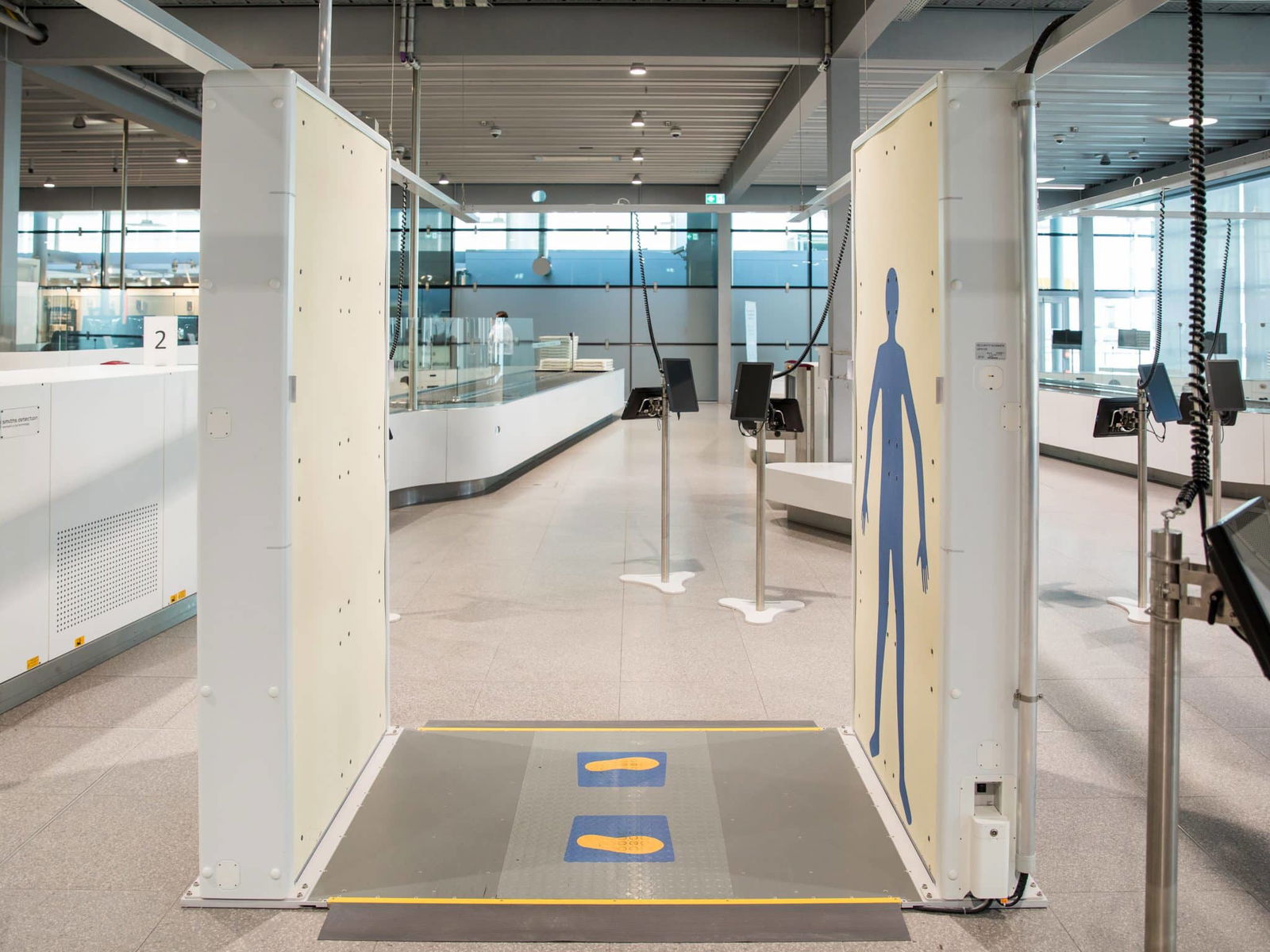
The U.S. scanner upgrades have influenced airports worldwide, with many adopting similar technologies to enhance both security and privacy. This global trend marks a shift toward less invasive yet equally effective security measures, setting a new standard in air travel.
As technology evolves, airport security is poised for further innovation. AI-driven screening and biometric verification are already on the horizon, promising to streamline the passenger experience. However, the lessons learned from the full-body scanner debacle serve as a critical reminder to prioritize privacy and public trust alongside safety advancements.