Mexico frees 350 captive dolphins
Facts 04/12/2025 00:18
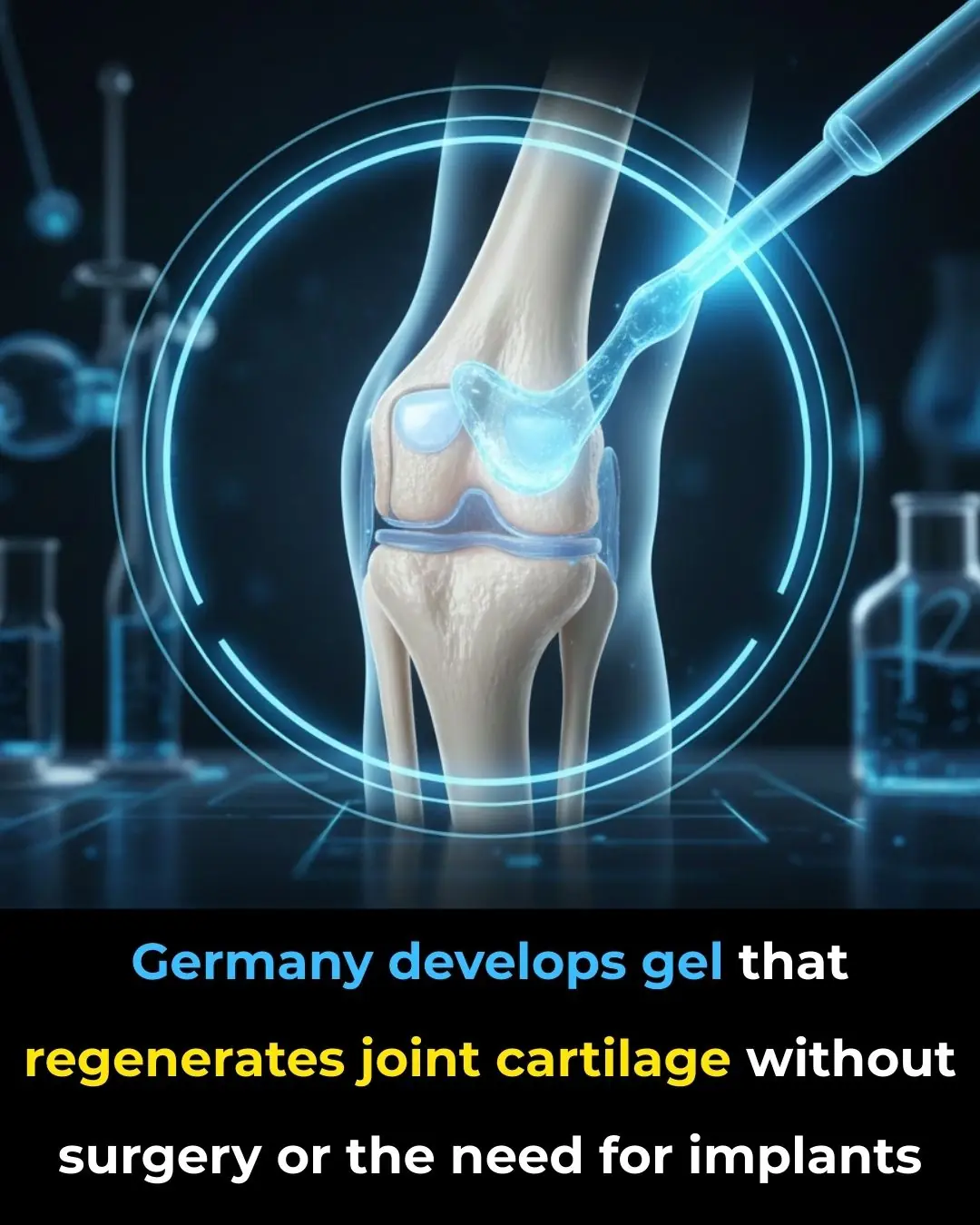
Germany has made a groundbreaking advancement in the field of joint care that could revolutionize the treatment of cartilage injuries and arthritis. Researchers in Germany have developed a remarkable gel that has the potential to heal damaged cartilage without the need for surgery or metal implants. This breakthrough could fundamentally change how we approach joint injuries, offering an alternative to the invasive procedures that are currently the standard for treating cartilage damage.
Cartilage damage, particularly in the knee, hip, and other joints, has long been a challenge for medical professionals. Traditionally, patients with severe cartilage wear or arthritis often have no choice but to undergo surgery, such as joint replacement, or face the implantation of artificial materials. These options, while effective, come with significant risks, long recovery times, and a high cost. Now, thanks to this innovative gel, those facing such issues might soon have a less invasive, more natural solution.
This new gel works by being directly applied to the affected area, where it provides support to the body’s natural healing process. Unlike previous treatments that only addressed the symptoms of cartilage damage, the gel encourages the body to regenerate genuine cartilage tissue rather than simply producing scar tissue. This is a major step forward, as the goal is to restore the original cartilage, which is far more functional and durable than the temporary solutions provided by implants or prosthetics.
The gel works by creating an environment similar to that of healthy, undamaged joints. It mimics the conditions in which cartilage thrives, effectively prompting the body to repair itself in a natural and biologically appropriate manner. This is a significant departure from the typical approach of using synthetic materials that replace damaged tissue. By encouraging the body to heal in this way, the gel aims to restore the joint’s original function, potentially eliminating the need for metal implants or artificial replacements.
Early laboratory results have been extremely promising, showing that the gel has a remarkable capacity to stimulate the regrowth of cartilage in damaged joints. These initial successes have paved the way for human trials, which are now underway. If these trials continue to produce favorable results, the gel could soon become a widely available treatment for people suffering from joint pain, arthritis, and cartilage injuries.
This innovation holds tremendous promise for those who currently rely on joint replacements or face the prospect of them in the future. Joint replacement surgery, though effective, is not without its challenges. The recovery time can be lengthy, and the longevity of artificial joints can be limited, particularly for younger patients. By offering a non-surgical alternative, this gel could dramatically reduce the need for such procedures, improving patients' quality of life and reducing the associated risks and costs.
For athletes, older adults, and anyone who has lived with joint pain, this development represents more than just scientific progress. It provides real hope that the debilitating effects of cartilage damage can be reversed without the need for invasive surgery. A future where people can maintain their natural cartilage and enjoy pain-free movement could be closer than we think.
The implications of this discovery are profound, not only for those suffering from joint pain and arthritis but also for the healthcare industry as a whole. If successful, this technology could significantly reduce the demand for joint replacement surgeries, potentially saving billions of dollars in healthcare costs globally. Moreover, the ability to regenerate cartilage using the body’s own cells could pave the way for other regenerative therapies in different areas of medicine, expanding the possibilities for treating a wide range of conditions that involve tissue damage and degeneration.
As human trials progress, the scientific community is eager to see how this gel performs in real-world conditions. If it proves as effective in humans as it has in lab settings, we may be on the brink of a new era in joint care, one where cartilage can heal naturally without the need for metal implants or invasive surgery. This breakthrough, while still in its early stages, has the potential to change the lives of millions of people who suffer from joint pain, offering a safer, more effective, and less invasive option for treatment.
In conclusion, this development represents a promising leap forward in the treatment of cartilage damage and joint pain. The potential to heal joints without surgery or implants is not just a distant dream; it could soon become a reality. As more data emerges from human trials, we may find ourselves on the cusp of a future where painful joint replacements are a thing of the past, replaced by a more natural, regenerative approach to healing.