Freeze a Lemon, Grate It, and Add It to Your Food
Health 26/01/2026 22:05
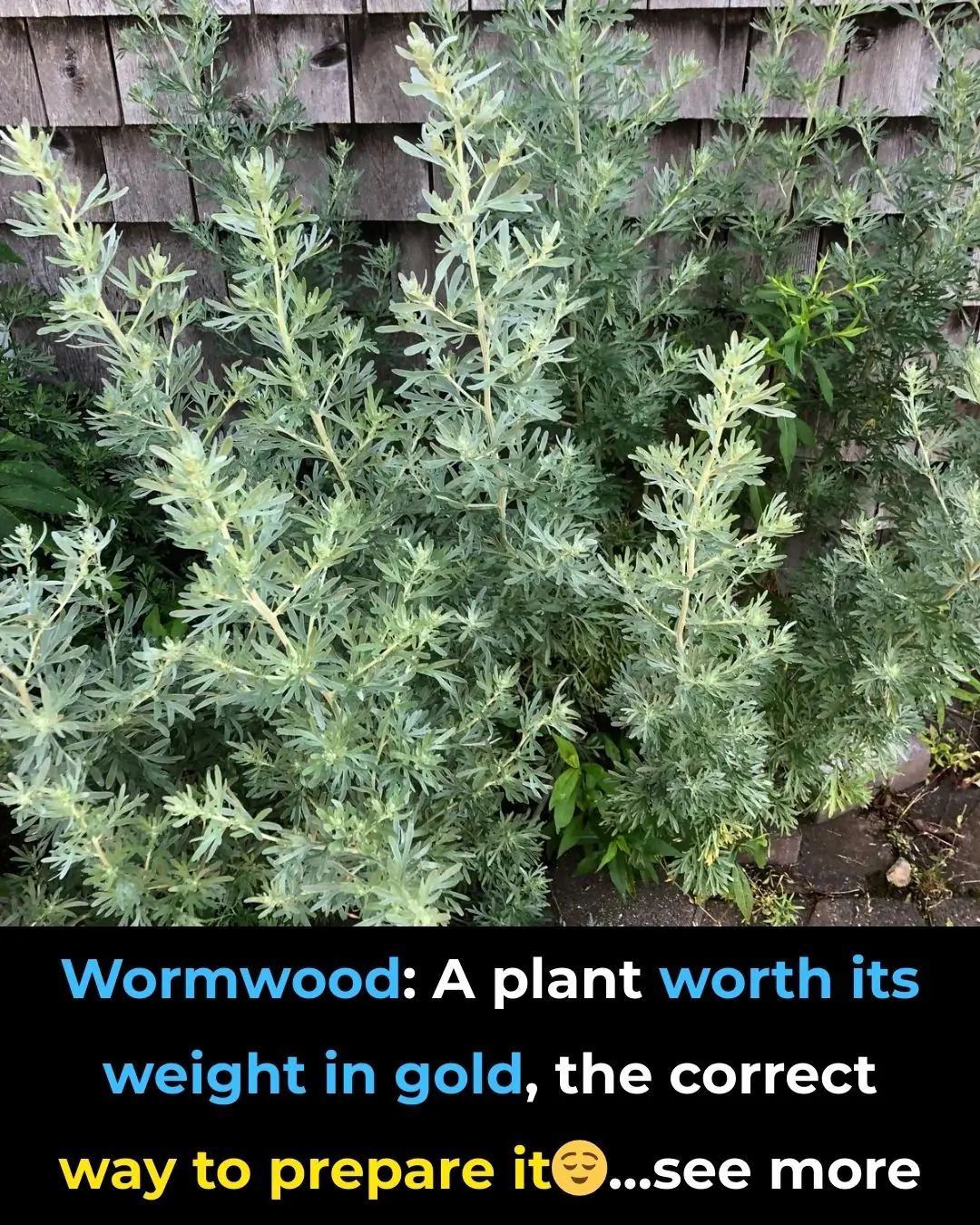
Wormwood, scientifically known as Artemisia absinthium, is a plant that has been valued throughout history for its remarkable medicinal properties. This species, which belongs to the Asteraceae family, is characterized by its bitter taste and distinctive aroma. Over the centuries, wormwood has found a place in various cultures, playing an important role both in traditional medicine and in the preparation of liqueurs and spiritual potions.
Originally from Europe, Asia, and North Africa, wormwood has been used by different civilizations since ancient times. The Greeks and Romans valued this herb not only for its culinary qualities but also for its health benefits. It is said that Hippocrates, the father of medicine, recommended its use to treat a variety of ailments. In the Middle Ages, wormwood was considered an effective remedy for digestive disorders and was used in infusions to relieve stomach pain and improve appetite.
Today, wormwood continues to be a popular remedy within natural medicine. Its extracts are used in various infusions, taking advantage of its digestive and hepatoprotective properties. However, it is important to note that despite its benefits, wormwood also has contraindications that should be considered before use. For example, its effect on the nervous system has raised concerns, so the consumption of wormwood should be moderate and supervised by a health professional.
In summary, wormwood is a plant with a rich history in natural medicine, standing out for its bitter properties and its influence on diverse cultural traditions. Its current relevance suggests that, despite certain risks, this plant continues to be studied and used for its potential health benefits.
Wormwood, known by its scientific name Artemisia absinthium, has been used as part of natural medicine for centuries. This herb contains bioactive compounds that offer numerous benefits, particularly for digestive health. Wormwood infusions are frequently recommended to relieve stomach problems, as they help stimulate the production of gastric juices and promote digestion. A study has shown that this plant can reduce bloating and gastrointestinal discomfort, making it a valuable option for those suffering from digestive disorders.
In addition to its digestive properties, wormwood is known for its antiparasitic effect. It has traditionally been used to combat intestinal parasites, and recent research has confirmed its antiparasitic properties. Wormwood extracts have shown effectiveness in treating parasitic infections, highlighting their importance in natural medicine. Drinking wormwood infusions can be a natural alternative for those seeking to improve intestinal health.
Wormwood is also recognized for its ability to relieve pain. The compounds present in this plant have analgesic effects, making it an option for combating discomfort associated with conditions such as headaches and muscle pain. Various studies support its therapeutic use, suggesting that wormwood may be beneficial in pain management.
Finally, wormwood has a positive impact on the regulation of the menstrual cycle. Many women have reported that consuming wormwood infusions can relieve premenstrual symptoms and contribute to a more balanced cycle. With this combination of benefits, wormwood continues to be a pillar of natural medicine, supported by both tradition and modern science.
Wormwood, a plant known for its properties in natural medicine, has a nutritional profile that includes bioactive compounds, vitamins, and essential minerals. This ingredient has been used since ancient times in various cultures, mainly for its health effects and benefits. The bioactive compounds present in wormwood, such as flavonoids and terpenes, are responsible for many of its medicinal properties, acting as antioxidants and anti-inflammatory agents that can contribute to overall well-being.
Regarding its vitamin content, wormwood is a notable source of vitamin C, which plays a fundamental role in immune function and in protecting the body against oxidative damage. In addition, it contains several B vitamins, which are critical for energy metabolism and the maintenance of cellular health. In terms of minerals, wormwood provides significant amounts of magnesium and iron, essential for bone health and red blood cell production, respectively.
The combination of these nutrients and bioactive compounds makes wormwood a valuable ally in herbal medicine. For example, some studies suggest that wormwood infusions can aid digestion, relieving symptoms such as indigestion and bloating. In addition, its potential to help fight certain types of infections has been investigated, thanks to its antimicrobial capabilities. However, it is crucial to consider contraindications and to use it in moderation to avoid adverse effects. In this sense, wormwood should be used cautiously and preferably under the guidance of professionals in natural medicine.
Wormwood, scientifically known as Artemisia absinthium, is a plant that has been used in various infusions and as part of natural medicine for centuries. Despite its many benefits, it is important to consider the contraindications and possible side effects of its consumption, especially in large amounts. Wormwood contains compounds such as thujone, which can be toxic if ingested in excessive doses. For this reason, it is recommended to moderate wormwood intake and always consult a health professional before including it in the diet.
In addition, wormwood may interact with certain medications, especially those that affect the central nervous system and anticoagulants. Its potentially sedative effect could intensify the effects of anxiolytic or hypnotic drugs, which may lead to excessive sedation. Therefore, it is essential that people undergoing medical treatment inform their doctor about the consumption of wormwood infusions or any other derivative of this plant.
Likewise, the use of wormwood is not recommended for certain populations. Pregnant and breastfeeding women should avoid its consumption, as it can cause uterine contractions and affect milk production. Similarly, people with a history of liver disease, epilepsy, or seizure disorders should exercise caution, since the compounds in wormwood may worsen these conditions. If any adverse symptoms occur after ingesting wormwood, it is advisable to discontinue its use and seek medical attention.
Wormwood, scientifically known as Artemisia absinthium, is a plant that has been used in various traditions of natural medicine throughout history. There are multiple ways to consume wormwood, each with its own characteristics and benefits. Infusions are one of the most common forms, using the dried leaves of the plant. To prepare a wormwood infusion, it is recommended to boil water and add one teaspoon of dried leaves, letting it steep for about ten minutes. This method is particularly effective, as it allows the extraction of the plant’s beneficial compounds, which can contribute to digestive health and general well-being.
In addition to infusions, wormwood is also available in the form of liquid extracts, which are concentrated forms of the plant’s active components. These extracts are useful for those seeking a stronger and faster dose. However, it is essential to follow the recommendations of a health professional before considering their use, as they can be more potent in their effects.
Another popular option is wormwood tablets, which provide a convenient way to consume the plant without preparing infusions. This method is ideal for people with busy lifestyles who want to incorporate the benefits of wormwood into their daily routine. Finally, wormwood is famous for its use in liqueurs such as absinthe, where it is mixed with other ingredients to create alcoholic beverages. However, caution should be exercised when consuming these forms, as they often contain high concentrations of alcohol that can have adverse effects if consumed excessively.
It is essential to remember that different forms of wormwood may vary in effectiveness and in how they impact the body. Incorporating wormwood into the daily diet can be a natural way to promote health, as long as it is done responsibly and with proper knowledge.
Wormwood, known for its medicinal properties and its use in infusions, is a plant that should be used with caution. Dosage varies significantly depending on the form in which it is consumed and the objectives pursued. In the case of wormwood infusions, it is recommended to prepare a drink containing between 1 and 2 grams of dried leaves per 250 ml of water. This amount can be taken once or twice a day, depending on individual tolerance and specific needs. It is essential that the water is not boiled for too long, as prolonged boiling can alter the plant’s beneficial compounds.
When speaking of natural medicine, it is essential to consider other factors such as age and the consumer’s health condition. Healthy adults may tolerate higher doses, but in the case of people with liver problems, pregnant or breastfeeding women, the use of wormwood should be restricted and supervised by a health professional. For these populations, it may be advisable to limit intake to mild infusions or avoid wormwood altogether.
In children, the use of wormwood is not recommended, as the plant may have adverse effects. In general, experts suggest moderation in the intake of this herb. Dosages should be adapted to personal circumstances, and it is advisable to consult a specialist in natural medicine before starting any treatment. In conclusion, proper dosing of wormwood is key to maximizing benefits and minimizing risks, so it is always better to err on the side of caution and seek expert advice.
Wormwood, known for its properties in natural medicine, has traditionally been used for various ailments. However, it is crucial to take certain precautions before beginning any treatment with wormwood infusions. Primarily, consulting a health professional is recommended, especially if there is any pre-existing condition or if other medications are being taken. A doctor can provide guidance on its safe use and appropriate dosage.
It is important to note that prolonged use of wormwood can lead to adverse effects, such as toxicity due to the presence of thujone, an active compound in wormwood that in high doses can cause damage to the nervous system. Therefore, wormwood infusions should be consumed in moderation, and patients should be alert to any unusual symptoms. Side effects may include nausea, vomiting, and neurological problems, emphasizing the need for cautious management.
Additionally, there are medical conditions that contraindicate the use of wormwood. Those who suffer from liver diseases, seizure disorders, or who are pregnant or breastfeeding should avoid its consumption. It is essential to keep in mind that although wormwood is a valuable resource in natural medicine, it is not suitable for everyone. Therefore, a thorough evaluation is indispensable before including it in any health regimen.
In conclusion, wormwood presents both benefits and potential risks. Consulting a health professional is the first step to ensuring safe and effective use of this natural remedy.
Wormwood, known for its properties in natural medicine, has been used throughout history by various cultures. Many users have shared their experiences when incorporating wormwood infusions into their daily routines. For example, some testimonials indicate that wormwood can be highly effective in improving digestion. People who struggle with stomach discomfort have reported relief after consuming infusions of this plant. In this way, wormwood presents itself as an interesting alternative for those seeking natural remedies.
However, not all experiences are positive. Some users have mentioned adverse effects after consuming wormwood. Cases of nausea and discomfort have been reported, highlighting the importance of consulting a professional before starting any natural medicine-based treatment. In addition, wormwood contains thujones, which in high doses can be toxic. The key appears to lie in moderation and respect for recommended dosages.
In the realm of infusions, some users have found additional benefits by mixing wormwood with other herbs. For example, combining wormwood with chamomile or mint has allowed some to enjoy a more pleasant flavor while benefiting from the digestive and calming properties of both plants. This demonstrates that wormwood can be versatile and adapt to different tastes and needs.
The experiences shared by those who have used wormwood highlight a wide range of outcomes, from improvements in digestive symptoms to unwanted effects. Undoubtedly, these testimonials offer valuable insight that can guide others in their decision to include wormwood in their personal natural medicine practices. Thus, future users can make informed and personal decisions regarding the use of this herb.
Wormwood, known for its use in infusions and its relevance in natural medicine, has proven to be a plant with various properties that can contribute to overall well-being. Throughout this article, we have explored its benefits, which include digestive effects, antioxidant properties, and its potential in regulating the menstrual cycle. These aspects highlight how wormwood can be a valuable ally in natural health.
However, it is also crucial to take into account the contraindications associated with its use. Wormwood may cause adverse effects in certain individuals, especially those with specific health conditions or sensitivities to its components. In addition, due to the concentration of certain compounds, wormwood should be consumed in moderation to avoid any potential risks.
When considering the use of wormwood in infusions and other formats, it is essential to remember the importance of consulting a health professional. Each person is unique, and a doctor can provide appropriate and personalized guidance on how to incorporate this herb into daily routines. Likewise, further research on wormwood and its applications may be beneficial, allowing users to maximize potential benefits while minimizing risks.
In summary, wormwood occupies an important place in natural medicine, offering various potential advantages. We encourage readers to deepen their knowledge of this plant, always prioritizing proper medical guidance to ensure safe and effective use of its properties.