A 4-Minute, Zero-Effort Hack to Clean Grill Gunk – The Simple Trick My Nana Taught Me
Tips 07/12/2025 00:41
Cleaning your oven may not be at the top of your list of enjoyable household chores, but it is an essential task that demands attention. A clean oven is not only more efficient but also ensures that your meals taste better, remain free from unwanted odors, and cook evenly. Despite this, many people tackle oven cleaning incorrectly, which can lead to subpar results or even damage to the appliance. With the right approach, however, oven maintenance can be straightforward and highly rewarding.
In this detailed guide, we’ll walk you through the most effective methods to clean your oven, ensuring it shines and functions at its best. From understanding why your oven needs specialized care to debunking common myths and sharing little-known tips, this guide provides all the information and techniques you need to maintain a spotless and well-functioning oven for years to come.
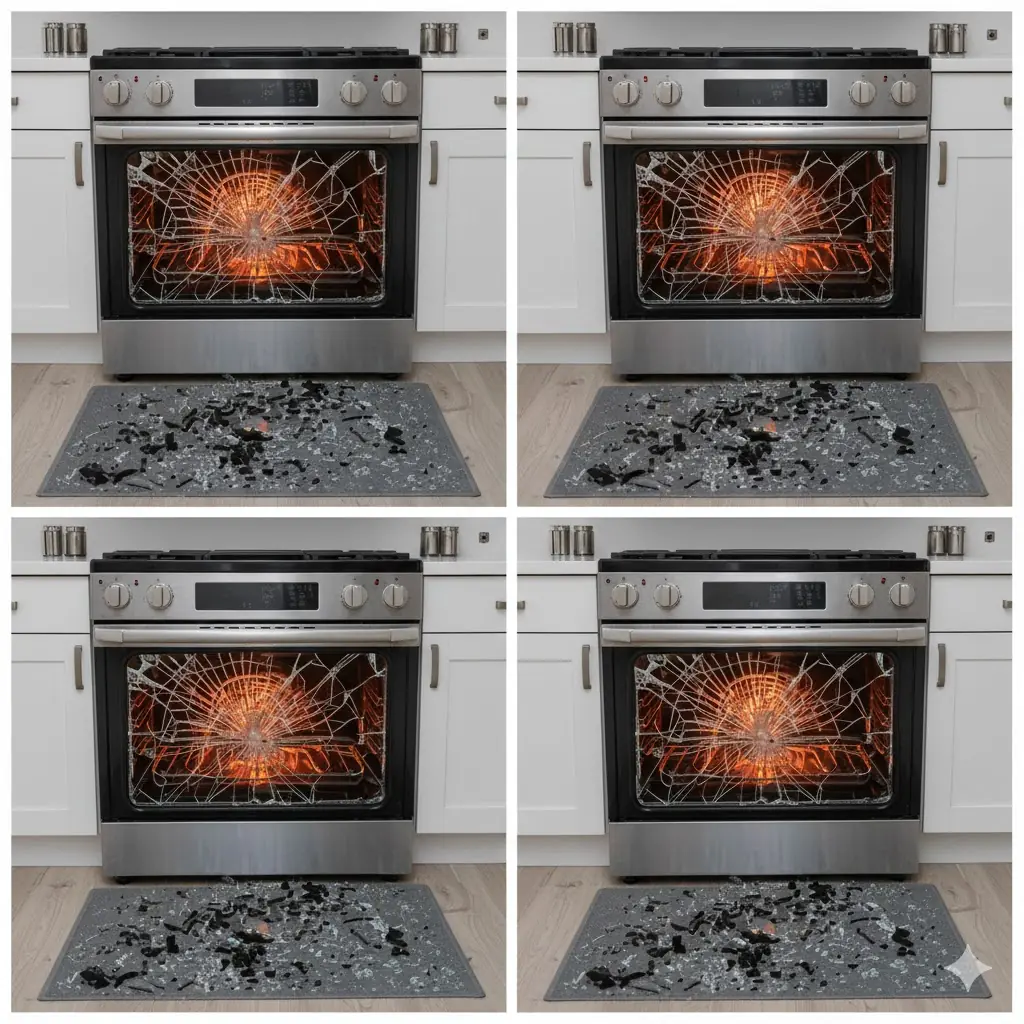
Ovens are designed to withstand high heat and are built to last, but they still require regular cleaning to perform optimally. Over time, grease, oils, and food particles can accumulate, causing unpleasant odors, smoke, and even affecting the flavor of your dishes. In some cases, unattended residue may ignite, posing a fire hazard.
It’s also important to note that ovens consist of various materials, such as stainless steel, glass, enamel, and sometimes non-stick coatings. Each material requires a slightly different cleaning approach to avoid scratches, discoloration, or damage. Knowing the composition of your oven ensures that your cleaning routine is both effective and safe.
Baking soda is a natural, versatile cleaning agent, prized for its mild abrasiveness and deodorizing properties. Many people make the mistake of sprinkling it dry, which can scratch surfaces or clean unevenly. Instead, create a thick paste by mixing half a cup of baking soda with three tablespoons of water.
Apply this paste generously to the interior surfaces, avoiding heating elements. Let it sit for at least 12 hours—or overnight—to break down grease and grime thoroughly. This slow-action method ensures a deep clean while preserving the integrity of your oven. For extra stubborn spots, you can gently scrub with a non-abrasive sponge after the paste has softened the residue.
Vinegar complements baking soda perfectly but should never be mixed with it in advance. Direct mixing neutralizes their cleaning power. Instead, spray white vinegar over the baking soda paste after it has sat for several hours. This creates a foamy reaction that loosens baked-on grime effectively.
Allow the foam to work for a few minutes, then wipe it away with a damp cloth. The combination of baking soda and vinegar not only cleans thoroughly but also leaves your oven smelling fresh and free of chemical odors.
Oven racks are often the greasiest components and should be cleaned separately for best results. Remove them and soak in warm water with a few drops of dish soap, either in a large basin or a bathtub. Leaving them for several hours or overnight loosens stuck-on grime.
After soaking, use a non-abrasive sponge or brush to remove remaining debris. Rinse thoroughly and dry completely before returning them to the oven. This ensures every part of your oven, interior and racks alike, is clean and ready for use.
While natural cleaners like baking soda and vinegar work wonders, sometimes commercial oven cleaners are necessary for extremely stubborn grease or burnt-on food. Always ensure the product is compatible with your oven’s material. Avoid harsh chemicals that can damage surfaces or leave toxic residues.
Read labels carefully, follow the manufacturer’s instructions, and use gloves. Ensure proper ventilation to protect your skin and respiratory system. Using the right products responsibly guarantees effective cleaning without compromising safety.
Many modern ovens feature a self-cleaning mode, which uses extremely high temperatures to burn off residue. While convenient, it can put stress on the oven’s components and sometimes produce unpleasant smoke or odors.
If you use this function, do so sparingly, ensure the kitchen is well-ventilated, and remove large food particles beforehand. Monitoring the process helps prevent hazards and ensures your oven is not unnecessarily strained.
Warm surfaces are easier to clean. Preheat the oven to a low temperature (around 200°F or 93°C) for 10–15 minutes, then turn it off and allow it to cool slightly before applying your cleaning solution. The gentle warmth helps cleaning agents penetrate grime more effectively.
Always exercise caution: never apply cleaning agents to a very hot oven, as this can cause burns or damage the interior surfaces.
Oven glass is prone to streaks and scratches if cleaned improperly. Use a mild, non-abrasive cleaner or a mixture of vinegar and water. Apply the solution and let it sit for a few minutes to break down grease.
Gently scrub with a microfiber towel or soft cloth in circular motions. For stubborn spots, a baking soda paste works well. Avoid metal scrapers or harsh scouring pads, as they can damage the glass and reduce visibility.
Social media is full of “clever” oven cleaning hacks, but many are ineffective or risky. For example, lining the oven bottom with aluminum foil can block airflow and damage heating elements. Similarly, using lemon juice alone may freshen odors but lacks the abrasiveness needed to remove baked-on grime.
Always research cleaning methods carefully and ensure they are safe and suitable for your specific oven model.
The frequency of cleaning depends on how often you use your oven and the type of foods you cook. For most households, a deep clean every three to six months is ideal. If you frequently roast or bake greasy foods, more frequent cleaning may be necessary.
A good rule of thumb is to wipe up spills immediately and perform deep cleaning whenever residue buildup or odors become noticeable. Regular maintenance prolongs your oven’s lifespan and keeps it working efficiently.
Daily upkeep makes deep cleaning much easier. Wipe down the interior with a damp cloth after each use, especially after cooking messy or splattering foods.
Use splatter guards or covers for dishes prone to bubbling over. Regularly inspect and clean door seals, vents, and corners to prevent debris buildup. These small habits significantly reduce the need for frequent intensive cleaning while keeping your oven performing at its best.