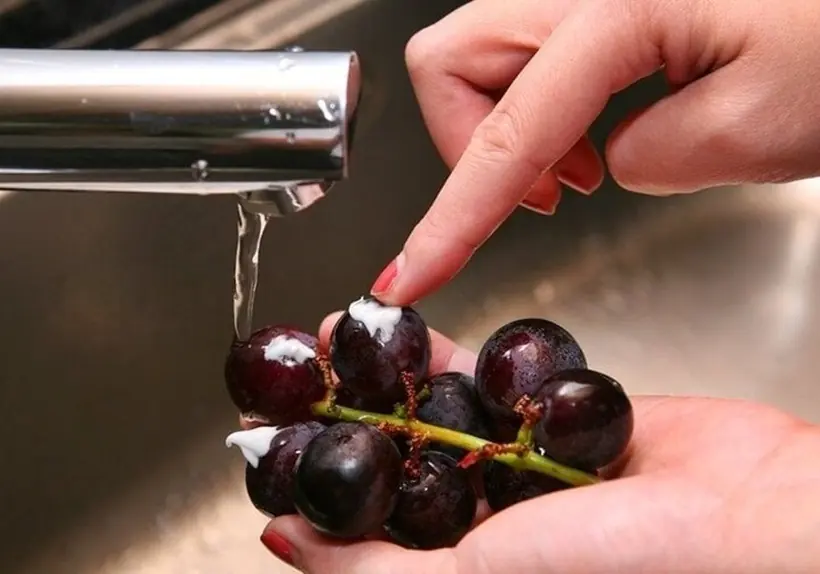
This is the correct way to wash grapes; washing them wrong can make them even dirtier
Tips 07/12/2025 21:49
Many of us take our towels for granted, expecting them to stay soft, fluffy, and absorbent for years. But if you’ve noticed that your once-luxurious towels are becoming rough, stiff, or less absorbent, the culprit is often simple: improper washing. The way you wash and care for your towels directly affects their texture, freshness, and longevity.
In this guide, we’ll reveal the most common mistakes people make when laundering towels — and share expert-approved techniques to keep them in pristine condition. From choosing the right detergent to drying methods that preserve softness, each step matters more than you might think.
It’s tempting to assume that more detergent equals cleaner towels, but in reality, using too much soap has the opposite effect. Excess detergent doesn’t fully rinse out and leaves a waxy film on the fibers, which can make towels stiff, scratchy, and far less absorbent.
As a general rule, use half the amount recommended on the detergent label — typically around one to two tablespoons of liquid detergent per load. This lighter wash is more effective at removing dirt and oils while preventing residue buildup.
For the best results, choose a fragrance-free, dye-free detergent. These gentle formulas protect sensitive skin and help your towels maintain their natural softness and breathability over time.
Fabric softeners may make clothing feel smoother, but they’re terrible for towels. These products coat the fibers with a thin layer of chemicals that repel water — exactly what you don’t want for something meant to absorb moisture.
To preserve your towels’ absorbency, skip the softener entirely. Instead, add ¼ cup of white vinegar to the rinse cycle every few washes. Vinegar naturally dissolves residue, eliminates odors, and softens fabric without leaving any buildup behind. It’s a simple, eco-friendly way to keep your towels feeling fresh and fluffy.
Water temperature has a huge impact on how clean your towels get. While hot water can kill germs and sanitize fabrics, frequent use may cause fading and fiber damage. Conversely, cold water may not fully dissolve body oils and detergent residue.
The sweet spot is warm water — effective at cleaning while gentle enough to preserve color and texture. If your towels have a persistent odor or feel greasy, you can occasionally run them through a hot cycle with vinegar or baking soda for a deeper clean.
Sorting laundry may seem tedious, but it’s key to keeping your towels looking new. Always separate light towels from dark ones to prevent color bleeding. Likewise, wash towels apart from clothing, especially garments that produce lint or have zippers that could snag the loops.
If you own different types of towels — such as plush cotton bath sheets and thinner microfiber gym towels — wash them separately. Each fabric has its own washing needs, and separating them ensures even cleaning and prevents wear.
Before loading towels into the washing machine, give each one a quick shake or snap. This loosens dirt, dust, and hair that might otherwise cling to the fabric. It also fluffs up the loops, allowing detergent and water to penetrate more evenly.
Taking this small extra step helps your towels stay soft and fluffy after every wash — and prevents fibers from matting down over time.
Selecting the right cycle is crucial. Use a regular or gentle cycle for everyday towels, and a heavier cycle only for dense or heavily soiled ones. Avoid rough cycles that cause friction and wear out the fibers prematurely.
Pay attention to the spin cycle as well. A higher spin speed removes more water, shortening drying time and saving energy. However, if the speed is too high, it can twist or stretch the loops, leading to roughness. Aim for a balanced, moderate spin.
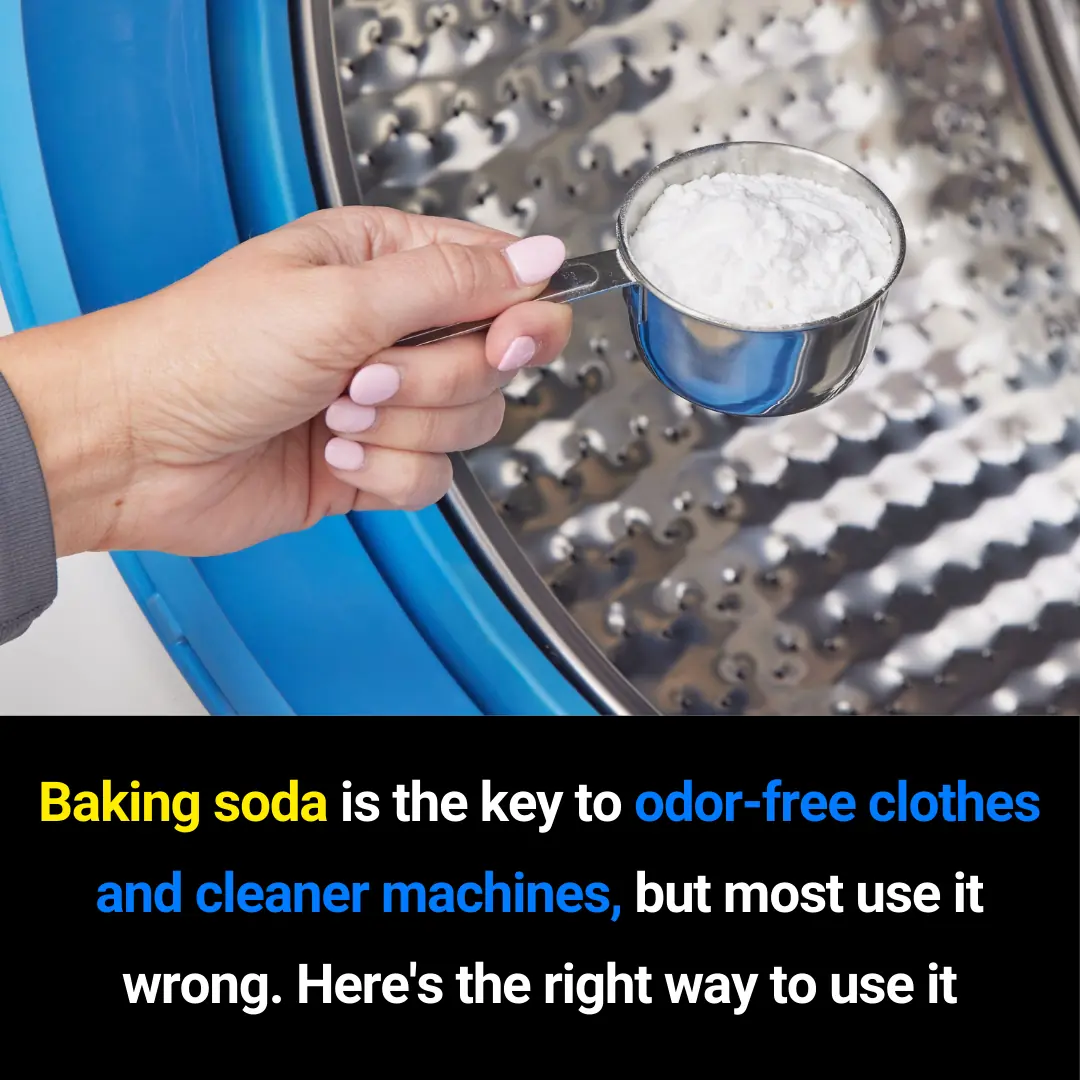
If you prefer natural cleaning agents, baking soda and vinegar are powerful allies. Add ½ cup of baking soda during the wash to brighten towels, neutralize odors, and lift stains. Then pour ½ cup of white vinegar into the rinse cycle to remove detergent residue and soften the fabric.
Together, these simple ingredients restore your towels’ absorbency and help them smell naturally clean — no artificial fragrances required.
Even if you use less detergent, traces can still cling to the fibers. Running a double rinse cycle ensures every last bit is washed away. This step is especially helpful for households with sensitive skin or allergies, as it minimizes irritation and keeps towels softer for longer.
Drying can make or break your towels. Overdrying them on high heat can bake the fibers, causing brittleness and loss of fluff. Instead, tumble dry on medium heat and remove them while still slightly damp. The residual moisture helps retain softness.
For an eco-friendly touch, line-dry your towels outdoors on a breezy day. The sunlight naturally deodorizes and brightens them. Just be sure not to leave them out too long, as prolonged sun exposure can cause fading.
Folding your towels while they’re still a bit damp keeps them smoother and prevents harsh creases. The fabric is more flexible at this stage, making it easier to shape and stack neatly.
This trick also reduces the need for ironing — and helps maintain that plush, spa-like appearance every time you open your linen closet.
Proper storage is the final step to preserving your towels’ quality. Store them in a cool, dry space with good airflow to prevent mildew and musty odors. Avoid packing them too tightly on shelves, as compressed fibers lose their fluffiness over time.
For a pleasant scent, place a lavender sachet or cedar block in your linen closet. These natural deodorizers keep your towels smelling fresh without relying on artificial fragrances.
Caring for your towels properly doesn’t require fancy products — just a few mindful habits. By washing with less detergent, skipping fabric softeners, and using gentle drying methods, you’ll extend the life of your towels and enjoy that cozy, fresh-out-of-the-spa feeling every day.
A little extra care goes a long way toward turning your everyday towels into lasting luxuries.