🔍 3 Intimate Habits That May Increase Cervical Cancer Risk—And What Loving Couples Can Do to Protect Each Other

1. Assuming Monogamy = Zero HPV Risk
Many couples believe that staying faithful eliminates HPV concerns. But HPV can linger silently for years—meaning either partner could have contracted it before the relationship began and only shed the virus later.
What couples can do:
✅ Get vaccinated—even if you’re over 26 (the FDA now approves Gardasil 9 up to age 45).
✅ Women: Keep up with regular Pap smears and HPV tests as recommended (usually every 3–5 years).
✅ Talk openly: Normalize STI conversations as part of mutual care—not distrust.
🌟 Good news: The HPV vaccine protects against the 9 strains responsible for 90% of cervical cancers.
2. Skipping Barrier Protection in Long-Term Relationships
While emotional intimacy often leads couples to stop using condoms, this can increase exposure to HPV and other infections—especially during times of immune stress (illness, fatigue, or hormonal shifts).
What couples can do:
✅ Use condoms consistently during new relationships or after potential exposure (e.g., travel, shared hot tubs—yes, HPV can spread in rare non-sexual ways).
✅ Consider dental dams for oral intimacy if either partner has a history of oral warts or unknown HPV status.
✅ Boost immune health together: Sleep, nutrition, and stress management help the body clear HPV faster.
🛡️ Remember: Barrier methods won’t block 100% of HPV—but they significantly reduce viral load and reinfection risk.
3. Ignoring Shared Hygiene Practices Around Intimacy
Touching genitals after using the bathroom, sharing towels, or using scented products that disrupt vaginal pH can create micro-tears or imbalance, making it easier for HPV to take hold or cause inflammation.
What couples can do:
✅ Wash hands before and after intimacy—especially after using the restroom.
✅ Avoid douching, scented soaps, or “feminine washes”—they destroy protective vaginal flora.
✅ Use gentle, pH-balanced cleansers (like plain water or mild, unscented soap on the outer area only).
✅ Never share razors or towels that contact genital areas—HPV can spread via micro-abrasions.
🌿 Pro tip: A healthy vaginal microbiome is your first line of defense—support it with probiotics (like Lactobacillus) if recommended by your provider.
💞 How Couples Can Turn Awareness Into Loving Action
Protecting cervical health isn’t about fear—it’s about care, communication, and shared responsibility.
Try these relationship-strengthening steps:
- Schedule wellness visits together: “I’ll go to the dentist if you get your Pap smear!”
- Vaccinate as a couple: Men benefit from HPV vaccination too (reduces genital warts and rare cancers).
- Normalize check-ins: “How’s your health been lately? Want to review our screenings together?”
❤️ True intimacy includes wanting your partner to live a long, healthy life—not just sharing moments, but safeguarding each other’s future.
📌 Final Thoughts: Prevention Is Possible—and Powerful
Cervical cancer rates have dropped by over 50% in countries with strong screening and vaccination programs. That means your choices matter.
By understanding how everyday intimacy connects to cervical health—and making small, informed changes—couples can dramatically lower risk while deepening trust.
Because love isn’t just passion.
It’s protection. It’s presence. It’s prevention.
News in the same category


10 Early Warning Signs of Breast Cancer You Should Never Ignore

Don’t Throw Away Lemon Seeds: The Natural Treasure Almost Everyone Wastes

Fatty Liver: Symptoms, Types, Causes, and Treatment

If you have bumps on your tongue, your body is trying to tell you something very important

Stop urinating at night: eat bananas this way

Why we shouldn't leave our bedroom door open while we sleep: Safety and Energy

The 5 Foods That May Silently “Feed” a Tumor-Friendly Environment

Save your child's 'baby teeth', they are a goldmine of stem cells

Say Goodbye to High Blood Sugar: Discover the Power of Guava

The part of the body that suffers the most when you keep quiet about what you feel

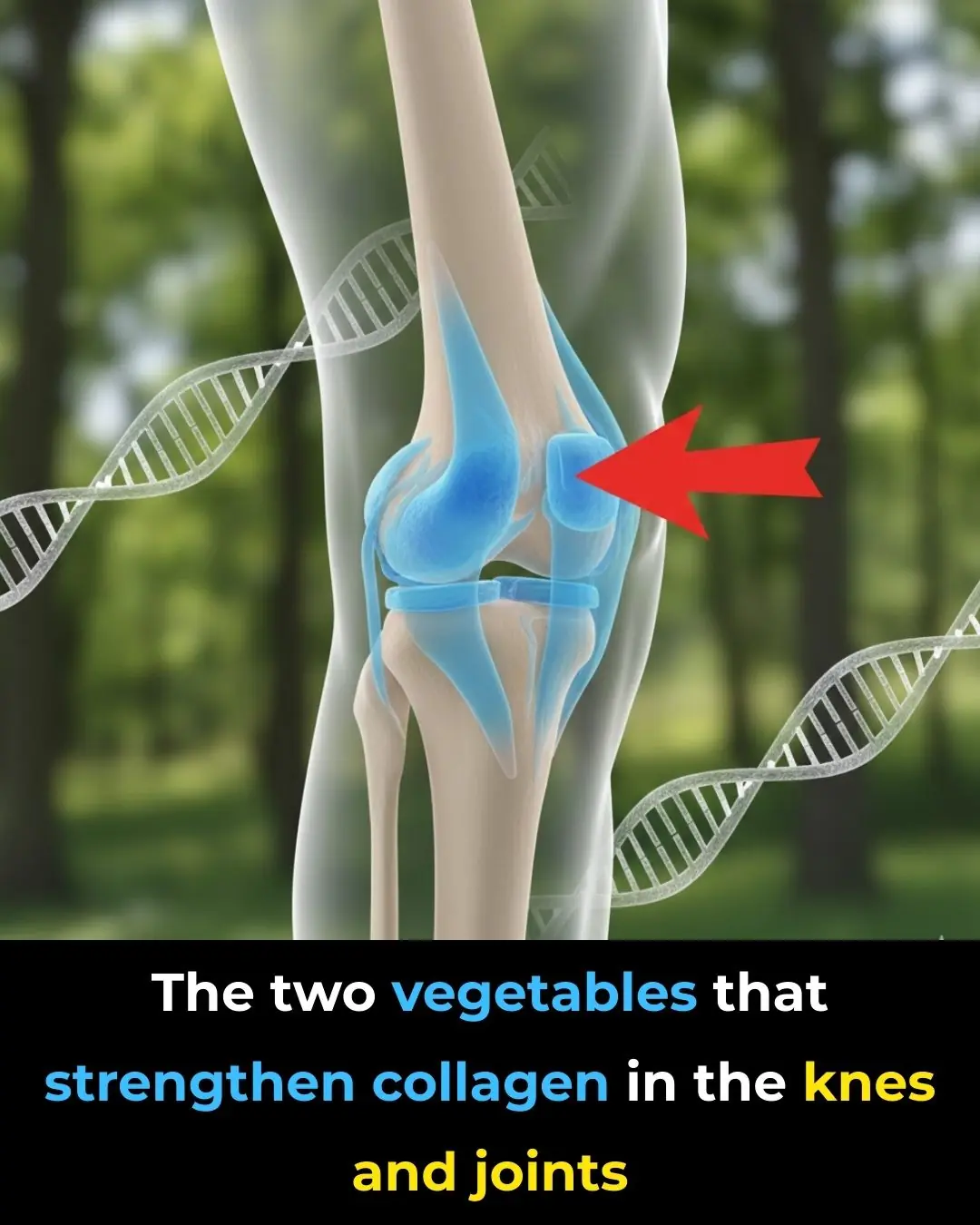
Could These Two Everyday Vegetables Help Support Collagen in Your Knees and Promote Joint Comfort?

Lavender lemonade to soothe headaches and anxiety

The Best Foods for Stronger Nails After 40

Keeping Your Legs Up Against the Wall for 5 Minutes a Day: Real Benefits for Your Body

Cabbage Is Good for You

The Small Round Scar on Your Arm

Drinking a Glass of Water Before Bed May Help Reduce the Risk of Stroke and Heart Attack

Dark Chocolate May Be Better for Your Heart Than Green Tea, Study Finds
News Post

Control Blood Sugar, Arthritis, Cholesterol, Poor Circulation, Fatty Liver & More With This Natural Remedy

10 Early Warning Signs of Breast Cancer You Should Never Ignore

HER FATHER’S TATTOO

Don’t Throw Away Lemon Seeds: The Natural Treasure Almost Everyone Wastes

A Boy’s Screams Were Ignored Until It Was Almost Too Late

“My Company Is Gone.” The Billionaire Lost Everything in One Day… Until the Poor Janitor Changed Everything

They Bullied a New Black Kid — Then 10 Bikers Showed Up at the School Gate.

I Sent Money Every Month — My Daughter Never Saw a Dollar

Six Oils That May Support Your Arteries and Circulation

Fatty Liver: Symptoms, Types, Causes, and Treatment

If you have bumps on your tongue, your body is trying to tell you something very important

Stop urinating at night: eat bananas this way

Why we shouldn't leave our bedroom door open while we sleep: Safety and Energy

The 5 Foods That May Silently “Feed” a Tumor-Friendly Environment

Save your child's 'baby teeth', they are a goldmine of stem cells

Say Goodbye to High Blood Sugar: Discover the Power of Guava

The part of the body that suffers the most when you keep quiet about what you feel

Could These Two Everyday Vegetables Help Support Collagen in Your Knees and Promote Joint Comfort?