Control Blood Sugar, Arthritis, Cholesterol, Poor Circulation, Fatty Liver & More With This Natural Remedy
Health 29/01/2026 00:18
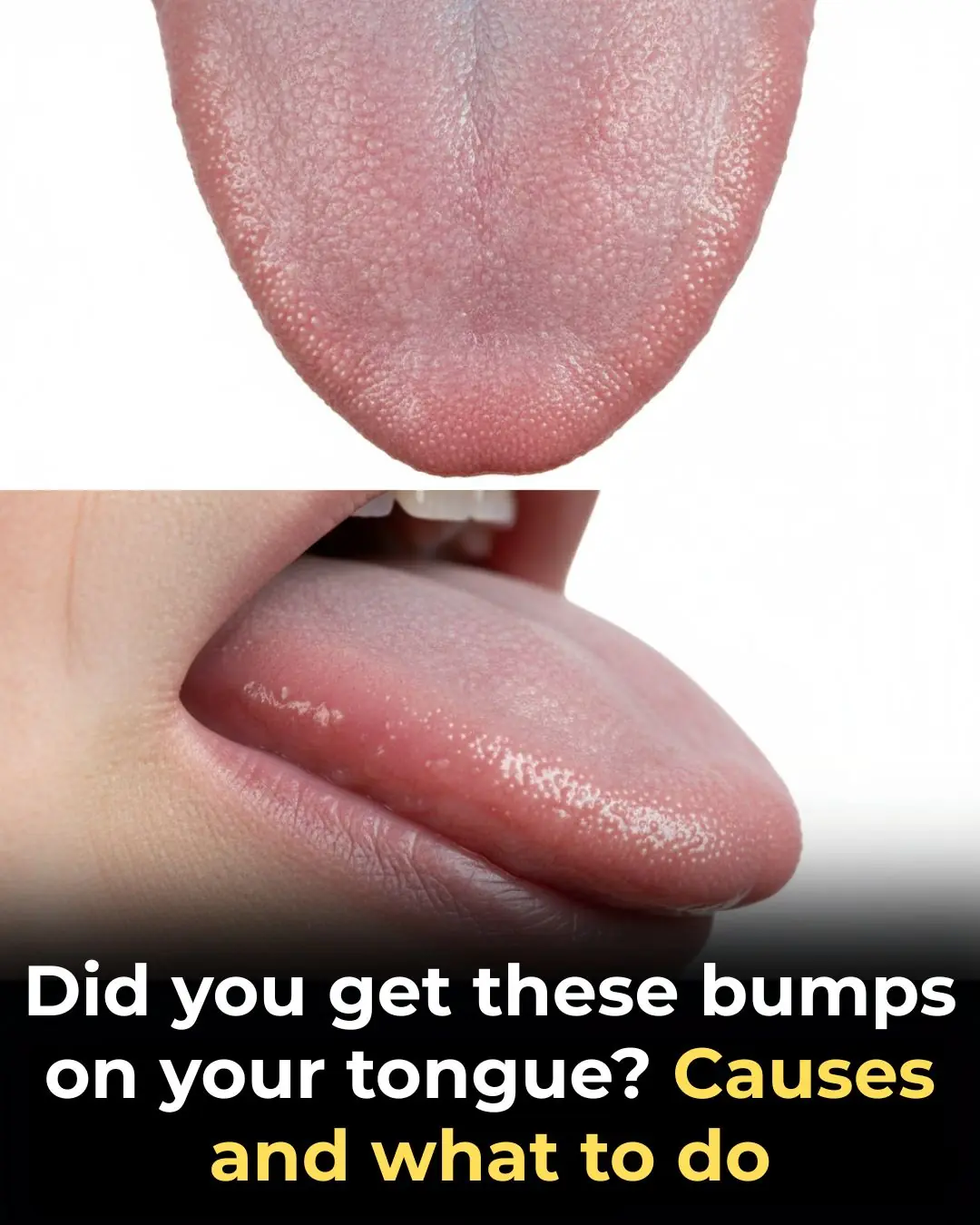
Have You Noticed Small Bumps or Pimples on Your Tongue?
Although they often seem harmless, these small bumps can be a sign that your body is trying to tell you something important. In this article, we will explain the possible causes, symptoms, and treatments of this condition, as well as tips to prevent it.
What Are Bumps on the Tongue?
Bumps on the tongue are small protrusions that appear on the surface or edges of this muscular organ. They may be white, red, or the same color as the tongue, and sometimes they can cause pain or discomfort, especially when eating or drinking.
Although in many cases they do not represent a serious problem, these bumps can be related to other health conditions that deserve attention.
Common Causes of Bumps on the Tongue
Irritation or Injury to the Tongue
Eating very hot, acidic, or spicy foods can irritate the taste buds, causing swelling or small bumps.
Accidentally biting your tongue can also cause temporary protrusions.
Food Allergies
Certain foods or ingredients can trigger an allergic reaction that appears as bumps on the tongue.
Intolerance to food additives, such as preservatives, can also be a factor.
Nutritional Deficiencies
A deficiency in vitamins such as B12 or minerals like zinc can cause inflammation of the taste buds.
Viral or Bacterial Infections
Oral Candidiasis: A fungal (yeast) infection that causes white patches or bumps on the tongue.
Oral Herpes: Can produce blisters or ulcers on the tongue and lips.
Transient Lingual Papillitis: Temporary inflammation of the papillae, commonly known as “lie bumps.”
Systemic Diseases
Diabetes: Can increase the risk of oral infections such as candidiasis.
Autoimmune Diseases: Such as Sjögren’s syndrome, which can dry the mouth and cause tongue irritation.
Stress or Anxiety
Stress can weaken the immune system, increasing the likelihood of developing oral infections or inflammation.
Smoking or Alcohol Consumption
These habits irritate the tongue and contribute to the appearance of bumps or protrusions.
Symptoms Associated with Bumps on the Tongue
In addition to the bumps, you may experience:
Pain or tenderness in the tongue
Burning sensation
Changes in tongue color
Difficulty eating or speaking
If the bumps persist for more than a week or are accompanied by other symptoms such as fever or difficulty swallowing, it is crucial to consult a medical professional.
Treatments for Bumps on the Tongue
Home Remedies
Rinsing with warm salt water: Helps reduce inflammation and eliminate bacteria.
Chamomile tea rinses: Have soothing and anti-inflammatory properties.
Applying honey: May relieve irritation and promote healing.
Over-the-Counter Medications
Topical anesthetics (such as benzocaine) to relieve pain.
Antimicrobial mouthwashes.
Medical Treatment
Antifungal medications for candidiasis.
Antiviral drugs if the cause is a herpes infection.
Vitamin supplements to correct nutritional deficiencies.
How to Prevent Bumps on the Tongue
Maintain good oral hygiene: Brush your teeth and tongue twice a day.
Avoid very hot, spicy, or acidic foods.
Stay well hydrated to prevent dry mouth.
Limit tobacco and alcohol consumption.
Eat a balanced diet rich in vitamins and minerals.
Manage stress with relaxation techniques such as yoga or meditation.
When to See a Doctor
If the bumps on your tongue do not go away within a week, are very painful, or are accompanied by symptoms such as fever, severe swelling, or changes in taste, see a dentist or doctor. It is important to rule out more serious underlying conditions.
Conclusion
Bumps on the tongue are a symptom you should not ignore. Although they are often harmless, they can also be a sign that your body needs attention. Maintain good oral hygiene, take care of your diet, and pay attention to changes in your oral health to keep your tongue healthy and functional.
Are You Concerned About Your Oral Health?
Consult an oral medicine specialist for a personalized diagnosis and to take care of your well-being. Your tongue is a window into your overall health.