Robot 'Kidnaps' Fellow Machines at Shanghai Exhibition, Sparking Debate on AI Autonomy and Labor Rights
Facts 13/12/2025 00:19
New Discovery Sheds Light on Roman Concrete's Self-Healing Secrets
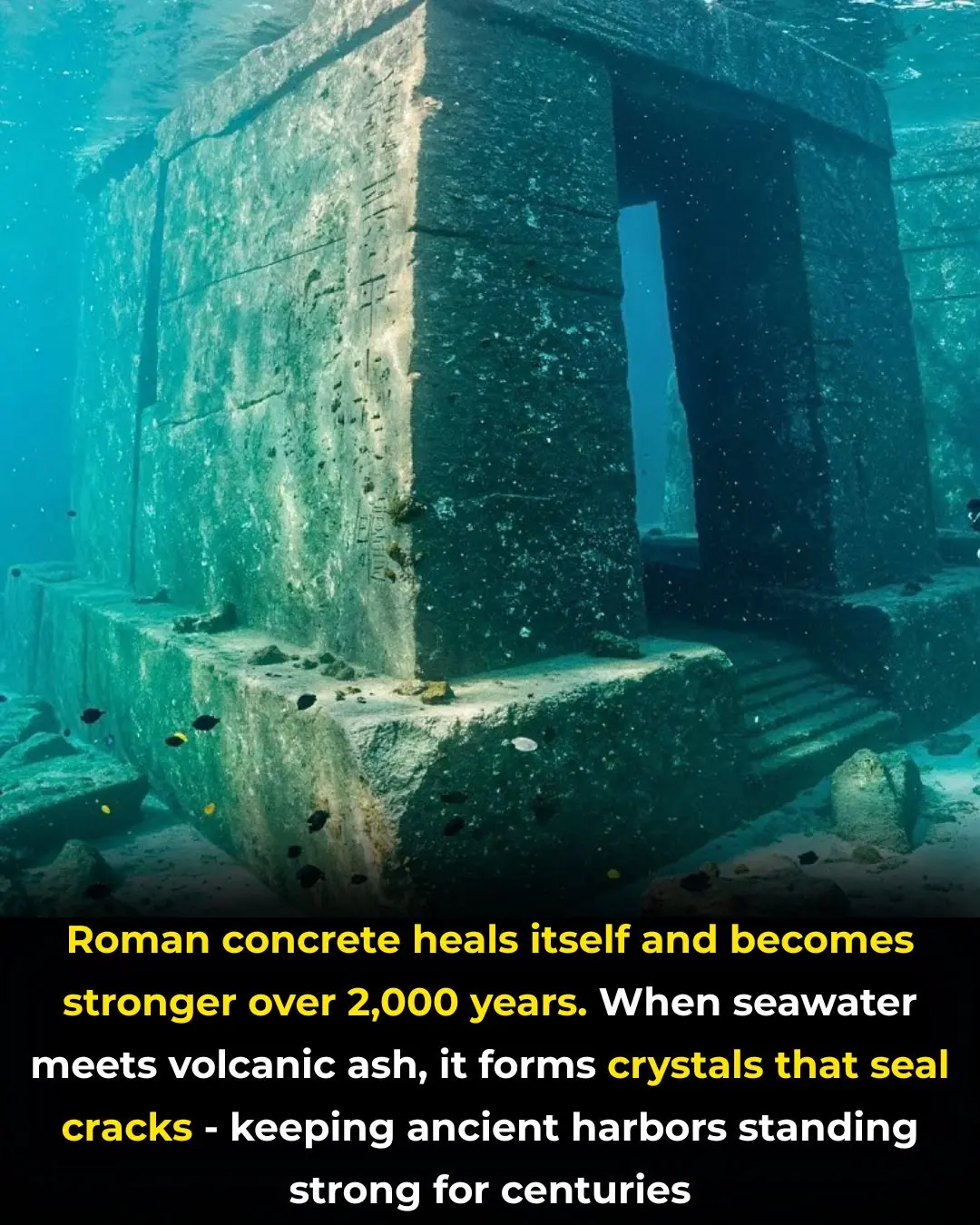
Recent archaeological studies at a construction site in Pompeii, preserved by the eruption of Mount Vesuvius in 79 C.E., have uncovered groundbreaking evidence that confirms the use of a high-heat, unconventional technique in the creation of Roman concrete. This discovery has provided significant insights into the material’s extraordinary durability and self-healing capabilities, which had long remained a mystery to modern engineers and scientists.
The findings corroborate previous research into the exceptional longevity of Roman concrete, a material that has withstood the test of time far better than many modern alternatives. The secret to this resilience lies in a unique method of production, now referred to as "hot mixing." This process involves the incorporation of quicklime (calcined limestone) directly into the dry mixture of volcanic ash and other aggregates, prior to the addition of water. This creates a highly exothermic chemical reaction that generates intense heat, thereby activating the lime and retaining highly reactive fragments known as lime clasts within the setting concrete.
Historically, the traditional Roman concrete recipe, as outlined by the famous Roman architect Vitruvius in the 1st century B.C.E., instructed that lime should be pre-slaked with water before mixing. The newly confirmed "hot mixing" technique represents a departure from this classical practice and adds a layer of complexity to the understanding of Roman engineering methods.
The major benefit of retaining lime clasts in the concrete matrix is the material’s remarkable ability to repair itself. As concrete structures age or are subjected to environmental stresses, micro-cracks are likely to form. When water infiltrates these cracks, it reacts with the lime clasts, creating a calcium-saturated solution that flows through the crack. This solution then recrystallizes as calcium carbonate, effectively sealing the damage and restoring the integrity of the material. This self-healing process, which occurs spontaneously, is the reason why some of the most iconic Roman structures, such as the Pantheon and Roman aqueducts, have endured for more than two thousand years.
The research detailing this innovative self-repair mechanism was published in Science Advances (Volume 9, Issue 1) under the DOI 10.1126/sciadv.add1602. The paper sheds light on how the ancient Romans utilized natural materials and advanced construction techniques to create buildings that were both resilient and long-lasting. Modern engineers have been particularly interested in this self-healing property, as it could offer solutions for the development of low-maintenance, sustainable concrete that could address the significant environmental impact of modern cement production.
In addition to the obvious historical implications, the insights gained from this research hold significant promise for the future of construction materials. Concrete, which is the most widely used construction material in the world, is responsible for a substantial portion of global carbon emissions, primarily due to the energy-intensive process of cement production. By adapting principles from Roman concrete technology, there is potential to reduce the environmental footprint of concrete and develop materials that are more durable, self-repairing, and energy-efficient.
Furthermore, the discovery highlights the potential of ancient knowledge in addressing modern challenges. The idea of using self-healing materials is not only a fascinating glimpse into Roman engineering but also a critical component of efforts to develop more sustainable building practices for the future. By incorporating these ancient techniques with modern technology, it is possible to imagine a future where concrete structures require less maintenance and contribute less to environmental degradation.
In conclusion, the recent revelation about the hot mixing technique used in Roman concrete not only uncovers a lost method of construction but also provides a blueprint for creating next-generation materials that could address both environmental concerns and the need for sustainable, long-lasting infrastructure. The continued study of Roman construction methods offers an exciting avenue for innovation, proving that ancient engineering may have much to teach modern science.
Sources:
Michel, F. R., et al. (2025). "Self-Healing Roman Concrete: The Ancient Secret to Durability." Science Advances, 9(1), DOI: 10.1126/sciadv.add1602.
Jackson, M. D., & Vannutelli, R. (2024). "Roman Concrete and its Self-Healing Mechanism: Implications for Modern Construction." Nature Materials.
Lazzarini, L., et al. (2023). "The Roman Legacy: Self-Healing Concrete and Sustainable Practices." Journal of Construction and Sustainability.