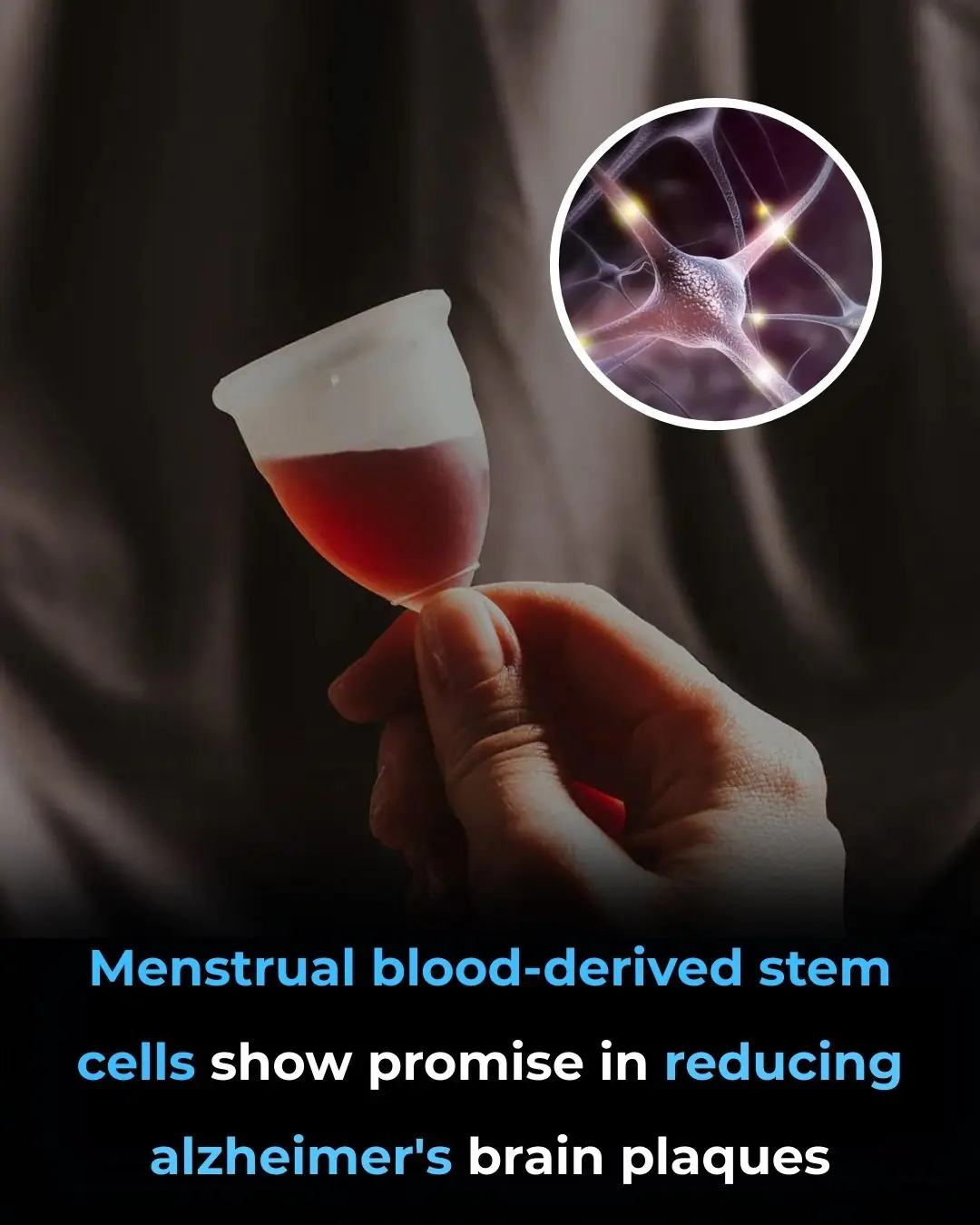
Menstrual Blood–Derived Stem Cells and Amyloid Pathology in Alzheimer’s Disease: Evidence from Preclinical Research
Health 26/12/2025 00:22
Natural plant resins have long been used in traditional medicine, and modern research increasingly seeks to validate their biological activities using molecular and cellular approaches. One such substance is mastic gum resin, derived from species of the Pistacia genus, which has attracted attention for its antioxidant, anti-inflammatory, and potential anticancer properties. The study titled “Phytochemical analysis and antioxidant and anticancer activities of mastic gum resin from Pistacia atlantica subspecies kurdica” provides important experimental evidence supporting the selective anticancer activity of this resin, particularly against colon cancer cells under laboratory conditions.
In this study, researchers investigated the effects of mastic gum resin on several digestive system–related cancer cell lines, with a particular focus on human colon cancer COLO205 cells. The results demonstrated a strong inhibitory effect on cancer cell growth. After 72 hours of treatment, the resin produced an IC₅₀ value of 5.2 ± 0.8 μg/mL, indicating high potency at relatively low concentrations. Overall cancer cell viability was reduced by approximately 34%, and nearly 40% of the treated cancer cells underwent apoptosis, or programmed cell death. Importantly, normal human colon fibroblast cells were largely unaffected, highlighting a degree of selectivity that is critical for any potential anticancer agent.
The researchers linked this selective anticancer activity to the resin’s rich phytochemical composition. Phytochemical analysis revealed high levels of polyphenols and flavonoids, compounds widely known for their antioxidant and bioactive properties. Oxidative stress and dysregulated redox signaling play key roles in cancer progression, and compounds capable of modulating these processes may preferentially disrupt cancer cell survival while sparing normal cells.
At the molecular level, the study provided clear mechanistic insights into how mastic gum resin induces cancer cell death. Treatment triggered the mitochondrial (intrinsic) apoptosis pathway, a central mechanism for eliminating damaged or malignant cells. Specifically, the resin caused cell cycle arrest at the G2/M phase, preventing cancer cells from completing division. This arrest increases cellular stress and sensitizes cells to apoptotic signals. In parallel, the resin activated caspase-9 and caspase-3, two critical enzymes that execute the apoptotic program by dismantling cellular structures and DNA.
Gene expression analysis further supported this mechanism. Exposure to mastic gum resin increased the expression of Bax, a pro-apoptotic gene that promotes mitochondrial membrane permeabilization, while decreasing the expression of Bcl-2, an anti-apoptotic gene that normally protects cancer cells from death. The shift in the Bax/Bcl-2 balance toward apoptosis is a well-established hallmark of effective anticancer activity and explains the substantial levels of programmed cell death observed in treated COLO205 cells.
Taken together, these findings suggest that mastic gum resin suppresses colon cancer cell proliferation through a coordinated, multi-level mechanism: halting the cell cycle, disrupting mitochondrial integrity, activating caspase-dependent apoptosis, and modulating key survival and death-related genes. The fact that normal colon fibroblast cells were largely spared strengthens the relevance of these results, as lack of selectivity is a major limitation of many conventional chemotherapeutic agents.
Despite these promising outcomes, it is essential to recognize the limitations of the study. All experiments were conducted in vitro, using cultured cancer cells under controlled laboratory conditions. Such models cannot fully replicate the complexity of human tumors, which are influenced by factors such as immune responses, blood supply, metabolism, and interactions with surrounding tissues. Therefore, while the results demonstrate clear anticancer effects at the cellular and molecular levels, they do not establish clinical efficacy or safety in humans.
In conclusion, the study provides compelling laboratory evidence that mastic gum resin from Pistacia atlantica subspecies kurdica possesses strong and selective anticancer activity against colon cancer cells. Through its high polyphenol and flavonoid content, the resin activates the mitochondrial apoptosis pathway, induces cell cycle arrest, and shifts gene expression toward cell death. These findings, reported in a peer-reviewed experimental study, position mastic gum resin as a promising candidate for further preclinical investigation (peer-reviewed phytochemical and cancer cell line study on Pistacia atlantica). Future animal studies and controlled clinical trials will be necessary to determine whether these in vitro anticancer effects can be translated into safe and effective therapeutic strategies for colon cancer.