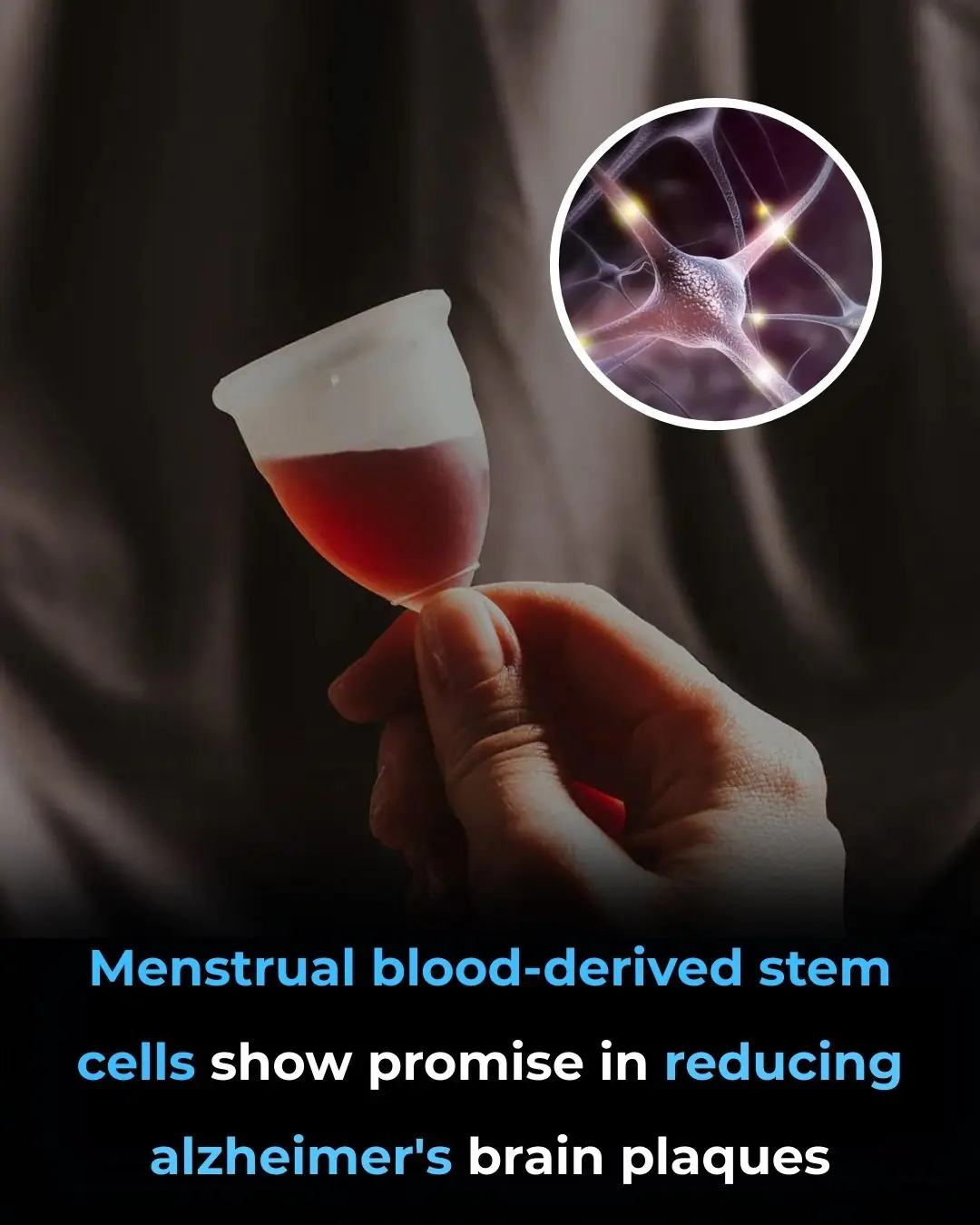
Menstrual Blood–Derived Stem Cells and Amyloid Pathology in Alzheimer’s Disease: Evidence from Preclinical Research
Health 26/12/2025 00:22
Pancreatic cancer remains one of the most lethal malignancies, with a five-year survival rate in the single digits. Its resistance to chemotherapy, immunotherapy, and even advanced cell-based treatments stems from several factors, including a dense tumor stroma, a profoundly immunosuppressive microenvironment, and early metastasis to organs such as the liver and lungs. In this challenging landscape, researchers at University of California, Los Angeles have developed a novel form of cell-based immunotherapy that may overcome many of these barriers. Their work, published in Proceedings of the National Academy of Sciences, describes an engineered chimeric antigen receptor natural killer T (CAR-NKT) cell therapy targeting mesothelin, a surface protein highly expressed on pancreatic cancer cells.
Unlike conventional CAR-T therapies, which rely on a patient’s own T cells and require weeks of individualized manufacturing, this approach uses invariant NKT cells derived from donated blood stem cells. These cells possess characteristics of both T cells and natural killer cells, allowing them to recognize tumors while remaining functional in hostile, immunosuppressive environments. By engineering these NKT cells to express a CAR directed against mesothelin, the UCLA team aimed to exploit a widely expressed tumor antigen while leveraging the innate tumor-homing and immune-regulatory advantages of NKT cells.
In preclinical testing, the CAR-NKT therapy demonstrated strong anti-tumor activity across multiple pancreatic cancer models. The researchers evaluated the treatment in orthotopic pancreatic tumor models, where tumors grow in the pancreas itself, as well as in metastatic models involving the liver and lungs—common sites of pancreatic cancer spread. In all settings, the engineered NKT cells showed a pronounced ability to home to tumors. This tumor infiltration was attributed to their high expression of chemokine receptors, which enabled them to navigate through dense stromal barriers that typically exclude immune cells.
Once inside the tumor microenvironment, the CAR-NKT cells maintained cytotoxic activity despite immunosuppressive signals that often paralyze conventional T cells. Treatment resulted in significant slowing of tumor growth and meaningful extensions in survival across multiple mouse models. These findings are particularly important because pancreatic tumors are notorious for neutralizing immune responses through regulatory cells, suppressive cytokines, and metabolic stress. The ability of CAR-NKT cells to remain active under these conditions suggests a fundamental advantage over existing immunotherapies.
Beyond efficacy, the manufacturing strategy represents a potential paradigm shift in cancer cell therapy. Because the CAR-NKT cells are produced from donor-derived stem cells, they can be generated in large, standardized batches and cryopreserved for immediate use. Researchers estimate the production cost at approximately $5,000 per dose—a dramatic reduction compared with the hundreds of thousands of dollars typically required for personalized CAR-T therapies. This “off-the-shelf” model not only lowers cost but also eliminates the long delays associated with patient-specific cell collection and engineering, which can be critical for individuals with rapidly progressing disease.
The implications of this work extend beyond pancreatic cancer. Mesothelin is also overexpressed in several other aggressive malignancies, including triple-negative breast cancer, ovarian cancer, and certain lung cancers. Encouragingly, the same CAR-NKT cell design has already shown effectiveness in preclinical models of triple-negative breast and ovarian cancer, suggesting a platform technology with broad oncologic relevance rather than a single-disease solution.
With all required animal studies now completed, the UCLA team is preparing regulatory submissions to the U.S. Food and Drug Administration to initiate first-in-human clinical trials for patients with pancreatic cancer. While significant challenges remain—particularly regarding safety, durability of response, and translation from animal models to humans—the combination of strong preclinical efficacy, resistance to immune suppression, scalability, and low cost makes this approach especially compelling.
In conclusion, the CAR-NKT cell therapy developed at UCLA represents a promising new direction in cancer immunotherapy. By targeting mesothelin with an off-the-shelf, tumor-homing immune cell that remains active in hostile tumor environments, this strategy addresses many of the core limitations that have hindered progress in pancreatic cancer. If these results translate to humans, CAR-NKT therapy could not only improve outcomes in one of the deadliest cancers but also help democratize access to advanced cell-based treatments through scalable, affordable manufacturing.