Irregular heartbeats are more common than most people realize—but not all arrhythmias are harmless. Some are warning signs that the heart’s electrical system is under stress, aging, or being damaged by an underlying condition.
Many people describe arrhythmias as “fluttering,” “skipping,” or “pounding,” but others feel nothing at all. Because symptoms can be subtle, many dangerous arrhythmias go undetected until they cause life-threatening complications like stroke or sudden cardiac arrest.
This comprehensive guide explains the types of arrhythmias, danger signs, causes, treatment options, and when you must seek emergency help.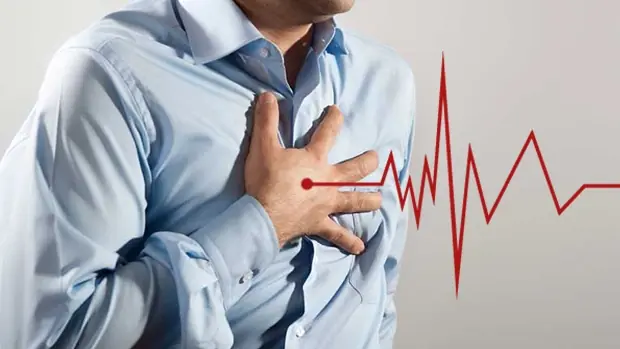
What Is an Arrhythmia?
An arrhythmia occurs when the heart beats:
-
Too fast (tachycardia)
-
Too slow (bradycardia)
-
Irregularly
-
Erratically
Healthy heartbeats come from precise electrical signals that travel through the heart. When these signals misfire, speed up, or get blocked, the rhythm becomes abnormal.
Common Types of Arrhythmias
-
Atrial fibrillation (AFib)
-
Most common serious arrhythmia
-
Causes chaotic upper-chamber contractions
-
Raises stroke risk 5-fold
-
-
Atrial flutter
-
More organized than AFib but still fast
-
Can progress into fibrillation if untreated
-
-
Supraventricular tachycardia (SVT)
-
Rapid heartbeats starting above the ventricles
-
Usually sudden and episodic
-
-
Ventricular tachycardia (VT)
-
Fast rhythm in the lower chambers
-
Can be fatal within minutes if untreated
-
-
Ventricular fibrillation (VFib)
-
Heart quivers instead of pumping
-
Main cause of sudden cardiac arrest
-
-
Heart block
-
Electrical signals slowed or blocked
-
Can cause severe bradycardia
-
What Causes Arrhythmias?
Arrhythmias can happen to anyone, but certain triggers and conditions increase risk, including:
1. Heart Disease
-
Coronary artery disease
-
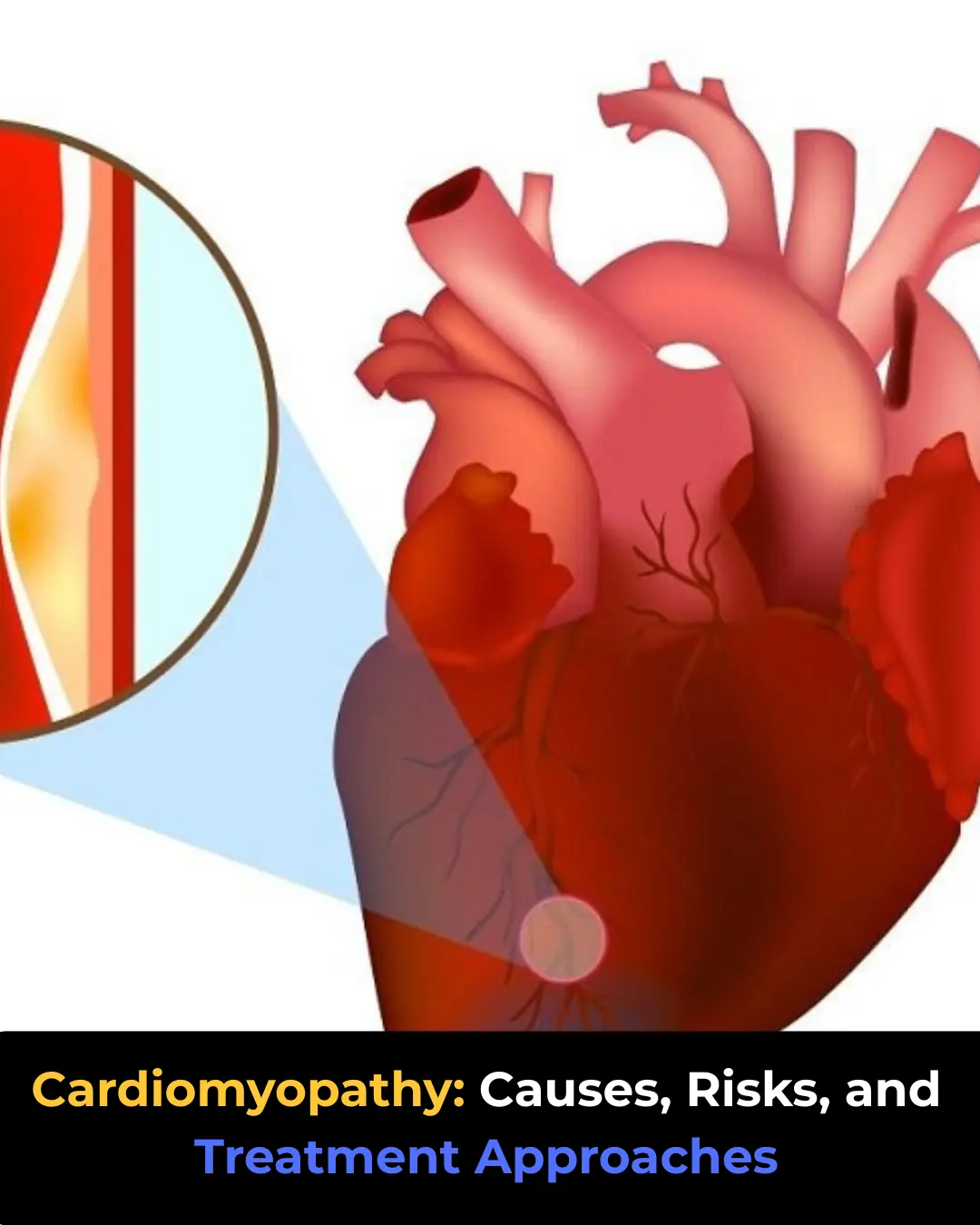
Cardiomyopathy
-
Heart failure
-
Prior heart attack
Scar tissue disrupts electrical pathways, leading to dangerous rhythms.
2. High Blood Pressure
Chronic hypertension thickens and weakens the heart, stressing its electrical system.
3. Electrolyte Imbalances
Low potassium, magnesium, or calcium alter electrical conduction.
4. Hormonal and Metabolic Disorders
-
Overactive thyroid
-
Diabetes
-
Adrenal disorders
These conditions speed up or destabilize the heartbeat.
5. Lifestyle Triggers
-
Excess caffeine
-
Alcohol
-
Nicotine
-
Stress and anxiety
-
Sleep deprivation
6. Medications and Stimulants
Some cold medicines, diet pills, and prescription drugs can trigger palpitations.
7. Aging
With age, electrical pathways degenerate naturally.
Symptoms You Should Not Ignore
Some arrhythmias feel harmless; others come without warning.
Common symptoms:
-
Fluttering or pounding heartbeat
-
Feeling like the heart “skipped a beat”
-
Chest tightness or pressure
-
Dizziness or lightheadedness
-
Shortness of breath
-
Sudden fatigue
-
Anxiety or sense of “impending doom”
Dangerous symptoms requiring emergency care:
-
Fainting
-
Chest pain spreading to arm or jaw
-
Difficulty breathing
-
Irregular heartbeat with severe dizziness
-
Heart rate over 150 bpm at rest
-
Any rhythm change after a heart attack
How Arrhythmias Are Diagnosed
Doctors may use:
-
ECG (electrocardiogram) – captures heart’s electrical activity
-
Holter monitor – 24–48 hours rhythm tracking
-
Event monitor – detects sporadic episodes
-
Echocardiogram – checks heart structure
-
Blood tests – electrolyte and thyroid levels
-
Stress test – evaluates exercise-induced arrhythmias
Treatment Options
Treatment depends on the type and severity of arrhythmia.
1. Medications
-
Beta-blockers
-
Calcium channel blockers
-
Antiarrhythmics
-
Anticoagulants (for AFib)
2. Electrical Cardioversion
A controlled shock resets heartbeat to normal.
3. Catheter Ablation
A procedure that destroys problematic electrical pathways.
Success rate: 70–95%, depending on the arrhythmia.
4. Pacemakers
Implanted device for dangerously slow heart rhythms.
5. Implantable Cardioverter-Defibrillator (ICD)
Used for life-threatening VT/VFib; delivers lifesaving shocks.
6. Lifestyle Management
-
Reduce caffeine and alcohol
-
Improve sleep
-
Manage stress
-
Maintain heart-healthy diet
-
Regular, moderate exercise
When Irregular Heartbeats Become Dangerous
Arrhythmias become dangerous when they:
-
Reduce blood flow to the brain
-
Trigger clots (especially AFib)
-
Cause the heart to stop pumping effectively
-
Occur in people with existing heart disease
Complications include:
-
Stroke
-
Heart failure
-
Cardiomyopathy
-
Sudden cardiac arrest
Conclusion
Not all arrhythmias are dangerous, but the dangerous ones often appear without warning. Knowing the early symptoms, risk factors, and treatment options can prevent long-term heart damage and even save lives.
If you experience persistent palpitations, chest pressure, or fainting spells, seek medical evaluation immediately.