🥦 3 Vegetables That Support Cancer Prevention — Backed by Science
Health 13/12/2025 00:09
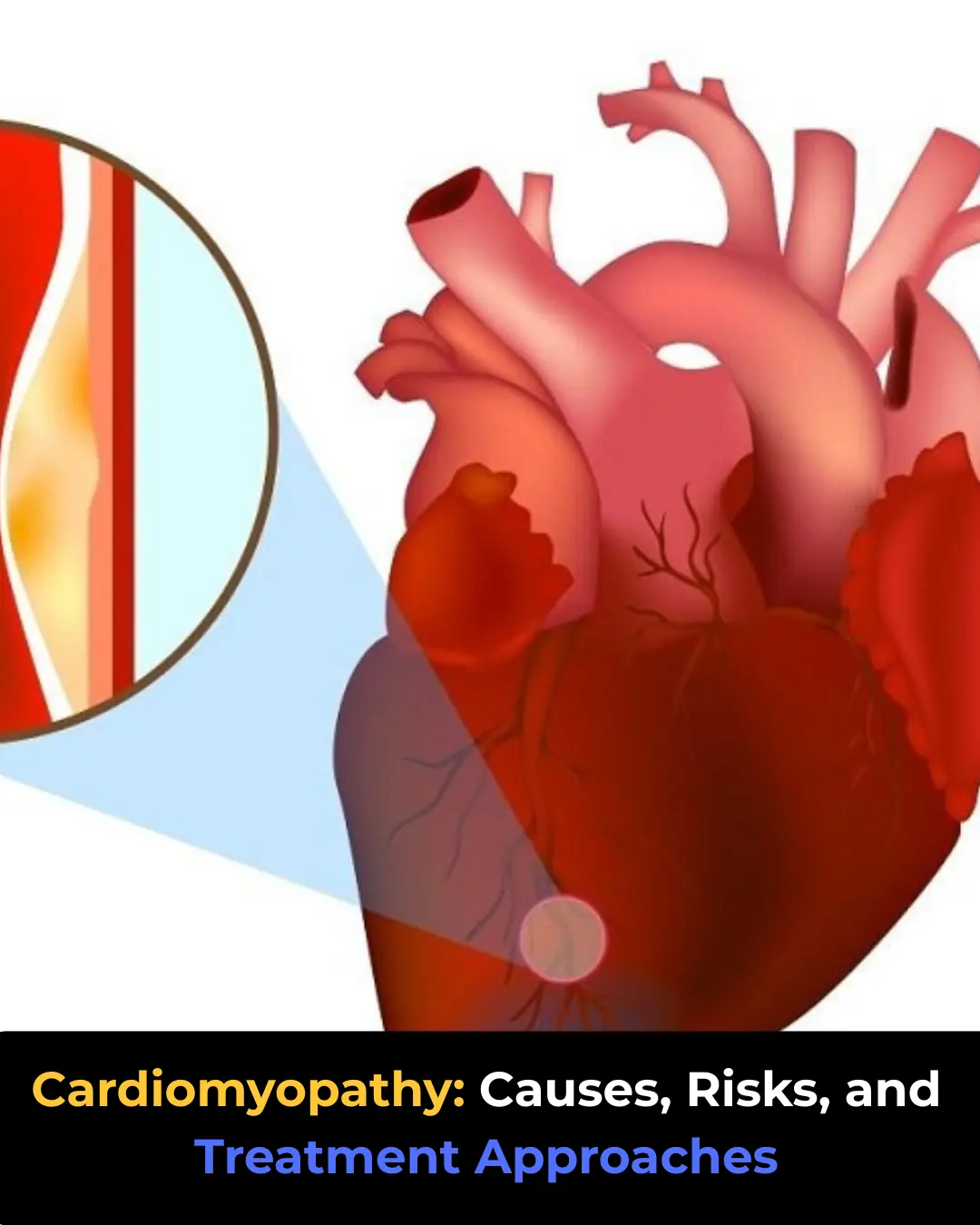
Coronary artery disease (CAD) is the most common heart condition worldwide and the leading cause of death in many countries. It develops slowly, often without noticeable symptoms for years, making early prevention essential. CAD occurs when the coronary arteries — the vessels supplying oxygen-rich blood to the heart — become narrowed or blocked due to plaque buildup. This restricts blood flow and increases the risk of heart attack.
Understanding how CAD begins, progresses, and can be prevented is crucial for protecting long-term heart health.
CAD starts with a process called atherosclerosis, a gradual buildup of plaque inside the arterial walls.
Plaque is made of:
Cholesterol
Fatty deposits
Calcium
Cellular waste
Inflammatory cells
This buildup hardens and narrows the arteries, reducing blood flow to the heart muscle.
The first step occurs when the artery lining (endothelium) becomes damaged. Causes include:
High blood pressure
High LDL cholesterol
Smoking
Diabetes
Obesity
Chronic inflammation
Once damaged, the artery becomes more “sticky,” allowing cholesterol to enter and accumulate.
Cholesterol builds up inside the artery wall. The immune system tries to “fix” the damage but ends up creating more inflammation, which accelerates plaque growth.
As plaque grows, arteries become narrower. The heart receives less oxygen, especially during exertion, leading to symptoms like:
Chest pain
Shortness of breath
Fatigue
The most dangerous stage occurs when plaque ruptures. This triggers blood clot formation, which can completely block the artery. Without immediate treatment, heart muscle begins to die — a heart attack.
CAD often progresses silently, but early warning signs include:
Chest pressure or tightness
Pain spreading to shoulder, arm, jaw, or back
Shortness of breath
Dizziness or lightheadedness
Fatigue during physical activity
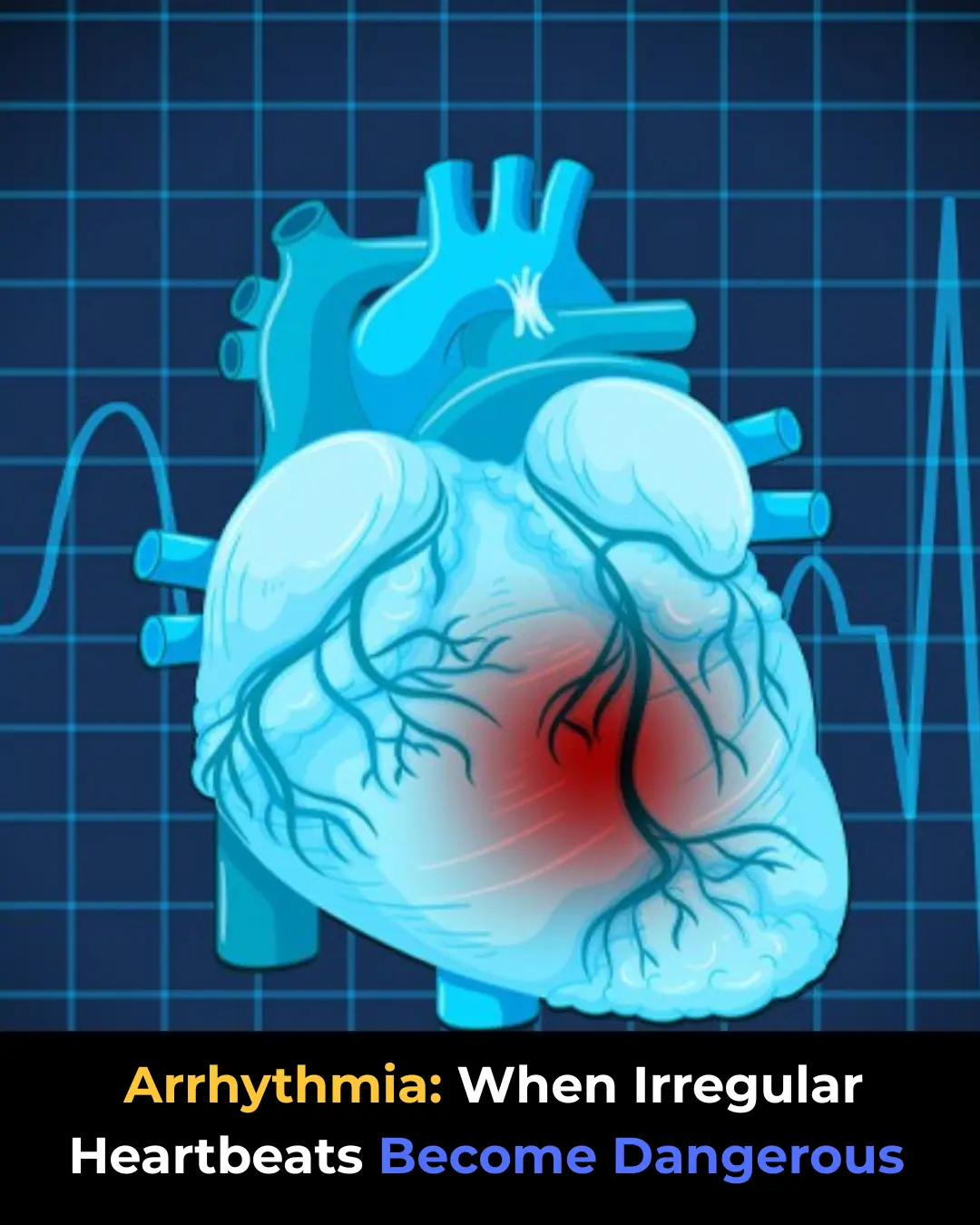
Palpitations
Women may also experience nausea, cold sweats, or indigestion-like discomfort.
Understanding your risk profile is key to preventing CAD.
High LDL (“bad”) cholesterol
Low HDL (“good”) cholesterol
High blood pressure
Smoking
Diabetes
Sedentary lifestyle
Obesity
High-stress lifestyle
Unhealthy diet
Family history of heart disease
Most of these factors are preventable or manageable.
The good news: CAD is largely preventable through consistent lifestyle changes and proper medical care.
Prioritize heart-healthy foods:
Fruits and vegetables
Whole grains
Lean proteins (fish, chicken, legumes)
Olive oil and nuts
Foods rich in omega-3
Limit:
Processed foods
Sugary drinks
Red meats
Trans fats
Excess sodium
Aim for:
150 minutes of moderate exercise per week, or
75 minutes of vigorous exercise
Activities like walking, cycling, swimming, and strength training improve circulation and lower cholesterol.
Smoking damages blood vessels and speeds up plaque formation. Quitting reduces heart attack risk by 50% within one year.
Regular checkups help you track and control levels. Doctors may prescribe statins or antihypertensives when necessary.
Even modest weight loss improves heart health and reduces the strain on arteries.
Uncontrolled diabetes significantly accelerates artery damage. Diet, exercise, and medication help protect the heart.
Chronic stress raises cortisol and blood pressure, contributing to CAD. Stress-relief methods include:
Meditation
Breathing exercises
Yoga
Hobbies
Nature walks
Excessive drinking increases blood pressure and triglycerides. Moderation is key.
Seek immediate help if you experience:
Chest pain lasting more than a few minutes
Pain that spreads to the arm or jaw
Sudden shortness of breath
Cold sweats
Nausea
These are classic signs of a heart attack and require emergency care.
Coronary artery disease develops silently over many years, but it is preventable with proactive lifestyle choices. By managing risk factors — such as blood pressure, cholesterol, weight, and stress — you can protect your heart, reduce complications, and significantly extend your lifespan.