Robot 'Kidnaps' Fellow Machines at Shanghai Exhibition, Sparking Debate on AI Autonomy and Labor Rights
Facts 13/12/2025 00:19
The First Climate-Driven Hybrid Jay Emerging in the Wild: A Groundbreaking Discovery of Evolution in Action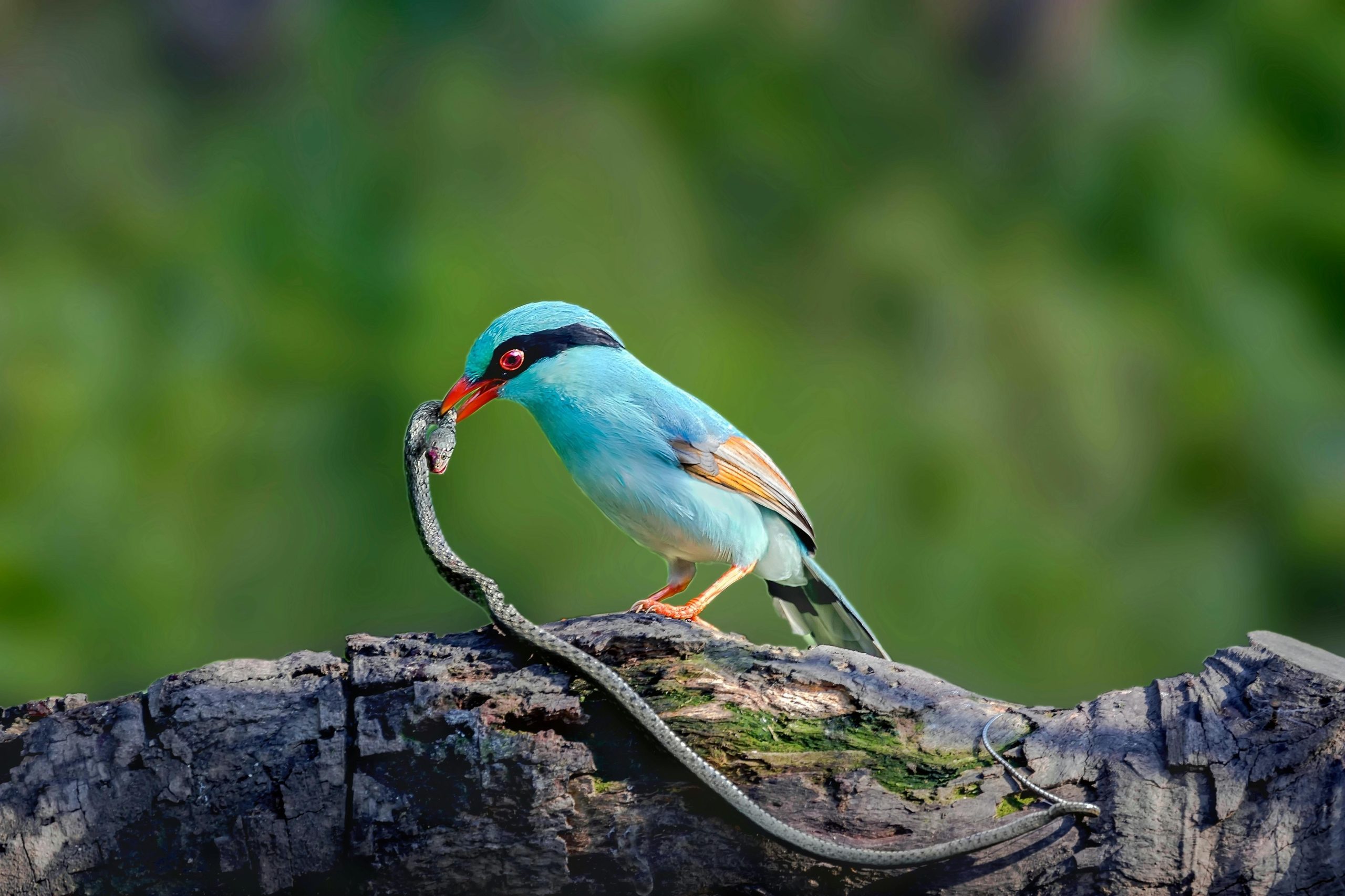
In the warm, suburban outskirts of San Antonio, Texas, a quiet yet remarkable event in 2023 led to an unexpected scientific discovery. A bird, appearing to possess traits from both a blue jay and a green jay, was spotted at a local homeowner’s bird feeder. This rare sighting—where the bird blended characteristics from two distinct species—confounded even experienced birdwatchers. What followed was a two-year investigation, revealing that this bird, later known as the “grue jay,” is the first documented hybrid of these two species in the wild, marking a significant shift in our understanding of wildlife interaction, particularly in the context of climate change.
For biologists, this bird represents much more than just an unusual natural occurrence. It is a living testament to the power of human-induced environmental changes, showcasing how species' behaviors, habitats, and even genetic lineages are being reshaped in real-time. As rising global temperatures continue to impact ecosystems, the ranges of many species are expanding and converging in ways that were once considered highly improbable. In the case of the grue jay, this hybridization event appears to be driven by climate change, as both species’ territories have shifted into closer proximity.
This article draws upon various scientific studies, expert interviews, and ecological reports to provide deeper insight into the grue jay's uniqueness, what it reveals about our changing ecosystems, and what this hybrid signifies for the broader implications of climate change on biodiversity.
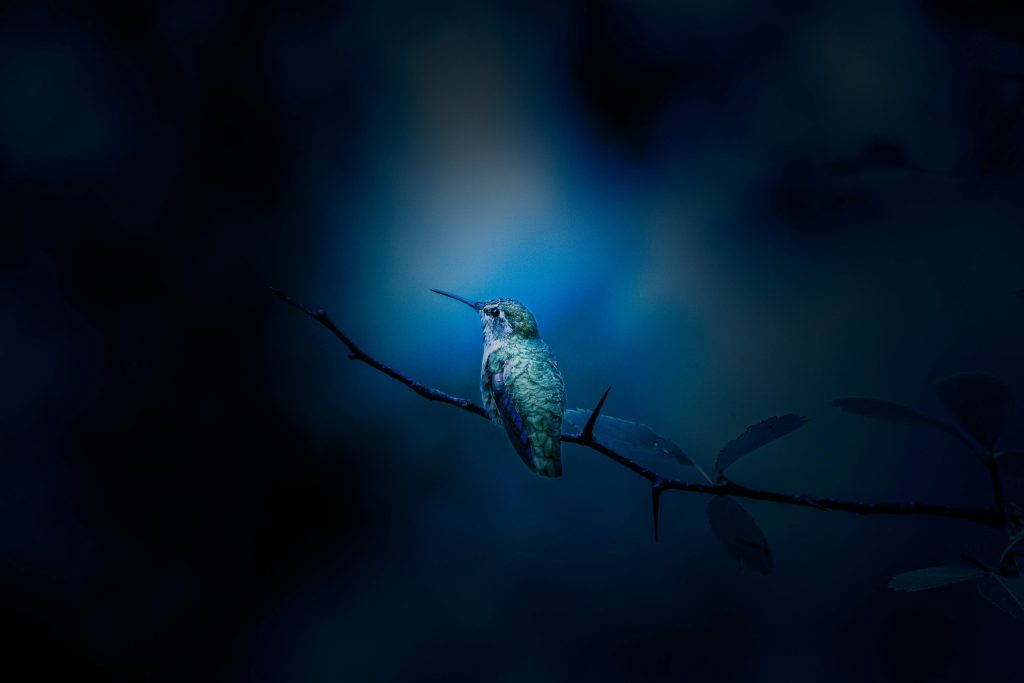
In late May 2023, Donna Currey, a local resident of San Antonio, shared a series of photographs in a Facebook birdwatching group featuring an unusual bird. The bird displayed a combination of blue jay and green jay traits—its tail and back resembled that of a blue jay, while its facial markings and other features were reminiscent of a green jay. The striking blend of colors and markings immediately captured the attention of Brian Stokes, a graduate student at the University of Texas at Austin, who specializes in green jays.
Stokes reached out to Currey and traveled to her home to investigate. His first attempt to catch the bird using mist nets proved unsuccessful, but the following day, he was able to capture it long enough to take photographs, record its vocalizations, and collect a blood sample for genetic testing. Before releasing the bird back into the wild, Stokes placed a band on its leg, allowing for future identification.
For the next two years, the bird remained out of sight. No confirmed sightings were recorded in 2024, and the research team wondered whether it had survived. Then, in June 2025, Currey’s backyard became the site of the bird’s reappearance. This return not only confirmed its survival but also reaffirmed that the bird remained within the same general area—an essential factor in studying hybrid viability in the wild.

The hybrid nature of the bird became evident through a combination of physical and behavioral traits. Biologists noted that the bird had a paler blue coloration compared to the typical blue jay. Additionally, it displayed the distinctive black facial mask and nasal tufts characteristic of the green jay. Its underparts, however, lacked the yellowish hues typically seen in green jays, further suggesting a mixed inheritance pattern.
Behaviorally, the bird exhibited a hybrid vocalization style. Stokes observed that the bird made both blue jay calls and rattling or bill-clicking sounds commonly associated with green jays. This blending of vocal repertoires was another clear indicator of its hybrid nature.
Genetic analysis provided further confirmation of its mixed lineage. Researchers sequenced tens of millions of DNA reads from the bird’s blood sample, comparing them to reference genomes of both species. The results revealed that the bird's nuclear DNA came from both blue jays and green jays in nearly equal proportions. Meanwhile, the mitochondrial DNA, which is inherited maternally, matched that of the green jay, indicating that its mother was a green jay and its father a blue jay.
Hybridization of this kind is rare, as blue jays and green jays belong to different genera, with a common ancestor that split approximately 7 million years ago. While a hybrid of these species was bred in captivity in the 1960s, this is the first known instance of a wild hybrid between the two species.

Historically, the ranges of blue jays and green jays did not overlap. Blue jays are temperate birds typically found in the eastern United States, extending as far west as Houston, Texas. In contrast, green jays are tropical birds found primarily in Central America, Mexico, and southern Texas.
However, in recent decades, both species have been expanding their ranges due to climate change. Rising temperatures and milder winters in Texas have allowed green jays to move further north than ever before, encroaching on territories previously too cold for them. Meanwhile, blue jays have gradually shifted westward in response to changing weather patterns and altered landscapes, both influenced by human activities.
This has led to the creation of a narrow zone of overlap near San Antonio, Texas, where the ranges of the two species meet. Birdwatching checklists over the past two decades indicate an increasing number of encounters between the two species in this area. While this overlap zone is still relatively small, climate models predict that it may shift even farther north in the coming decades as temperatures continue to rise, potentially creating new opportunities for hybridization.
The grue jay is a direct result of this climate-driven range shift, where the two species, once isolated by geography and habitat preferences, now find themselves in closer proximity, with the potential for interbreeding.

While hybridization is not uncommon among bird species, hybrids between species from different genera, like the blue jay and green jay, are exceptionally rare. The two species exhibit significant genetic and behavioral differences. Both are intelligent and social, often living in family groups. These social structures can act as barriers to interspecies mating, as individuals typically select mates based on species-specific physical and behavioral cues.
The hybridization of blue jays and green jays, therefore, is a remarkable event. For this hybrid to occur, several factors had to align: the species’ ranges had to overlap, individuals needed to be in proximity, and the usual recognition mechanisms that prevent cross-species mating had to break down. This breakdown may have been facilitated by the low population densities in the overlap zone, which may have limited the number of available mates within each species.
In this context, the hybrid represents not just a unique behavioral anomaly, but an environmental shift brought about by climate change. As species’ ranges shift, the likelihood of unexpected interactions increases, making the grue jay a visible marker of these changes.

The genetic study of this hybrid bird provides invaluable insights into how two distinct bird lineages can combine at the molecular level. The nearly equal contribution of nuclear DNA from both species confirms that this hybrid is a first-generation cross. The mitochondrial DNA, inherited exclusively from the mother, matched that of the green jay, confirming the maternal lineage.
The discovery of this hybrid also suggests that hybrid jays may be more common than previously thought. The bird was only detected because of an alert and dedicated observer. Many hybrids could exist in areas with limited human presence, where they might go unnoticed by researchers.
This discovery offers critical evidence that climate change is affecting species interaction in unforeseen ways. As the ranges of species continue to shift, we can expect more such hybridization events, which may have significant ecological consequences.
The grue jay’s existence serves as a tangible example of how climate change is reshaping the natural world. It underscores the importance of monitoring species distributions, especially in rapidly changing environments. As hybridization becomes more common, it may act as an early warning system, alerting scientists to ecological changes that might otherwise go unnoticed.
Moreover, hybrid species provide scientists with unique opportunities to study evolution in action. By examining hybrids, researchers can gain a deeper understanding of gene flow, reproductive barriers, and how new species combinations may adapt to shifting environments.
Looking ahead, the grue jay may be the first of many hybridizations between species driven by climate change. As ecosystems continue to evolve, it is likely that we will see more species interacting in ways that were once thought impossible. Some of these hybrids may thrive, while others will remain rare and isolated. Understanding how these hybrids function within their ecosystems will be key to predicting the long-term effects of climate change on biodiversity.
This discovery—initially sparked by a simple social media post—demonstrates the power of community science and the importance of public participation in scientific research. Without the initial observation of this curious bird by Donna Currey, the grue jay might have gone undocumented, further emphasizing the importance of citizen scientists in today’s rapidly changing world.
The grue jay represents a critical turning point in how we understand the effects of climate change on biodiversity. It illustrates how warming temperatures and changing habitats are bringing species together in unexpected ways, creating new opportunities—and challenges—for wildlife. As climate change continues to influence ecosystems, the discovery of hybrids like the grue jay will offer vital clues to understanding how species adapt and evolve in response to a warming world.
Sources:
Nature Communications (2023). The Effects of Climate Change on Species Interaction and Hybridization. Nature.com
Journal of Ornithology (2023). Climate-Driven Range Shifts and Their Impact on Avian Hybridization. Springer.com
Scientific American (2022). Hybrids in the Wild: The Unexpected Outcome of Climate Change. ScientificAmerican.com