Twin Study Reveals Gut Microbiome's Role in Multiple Sclerosis Development
Health 17/12/2025 23:56
Recent clinical research and scientific studies are unveiling a new paradigm for systemic health, emphasizing the interconnectedness of our internal microbiome, environmental exposures, and targeted nutritional interventions. From gastrointestinal restoration to groundbreaking oncology treatments, these findings highlight non-invasive pathways for disease prevention and recovery.
The human gut serves as a central hub for systemic wellness, influencing everything from nutrient absorption to immune regulation.
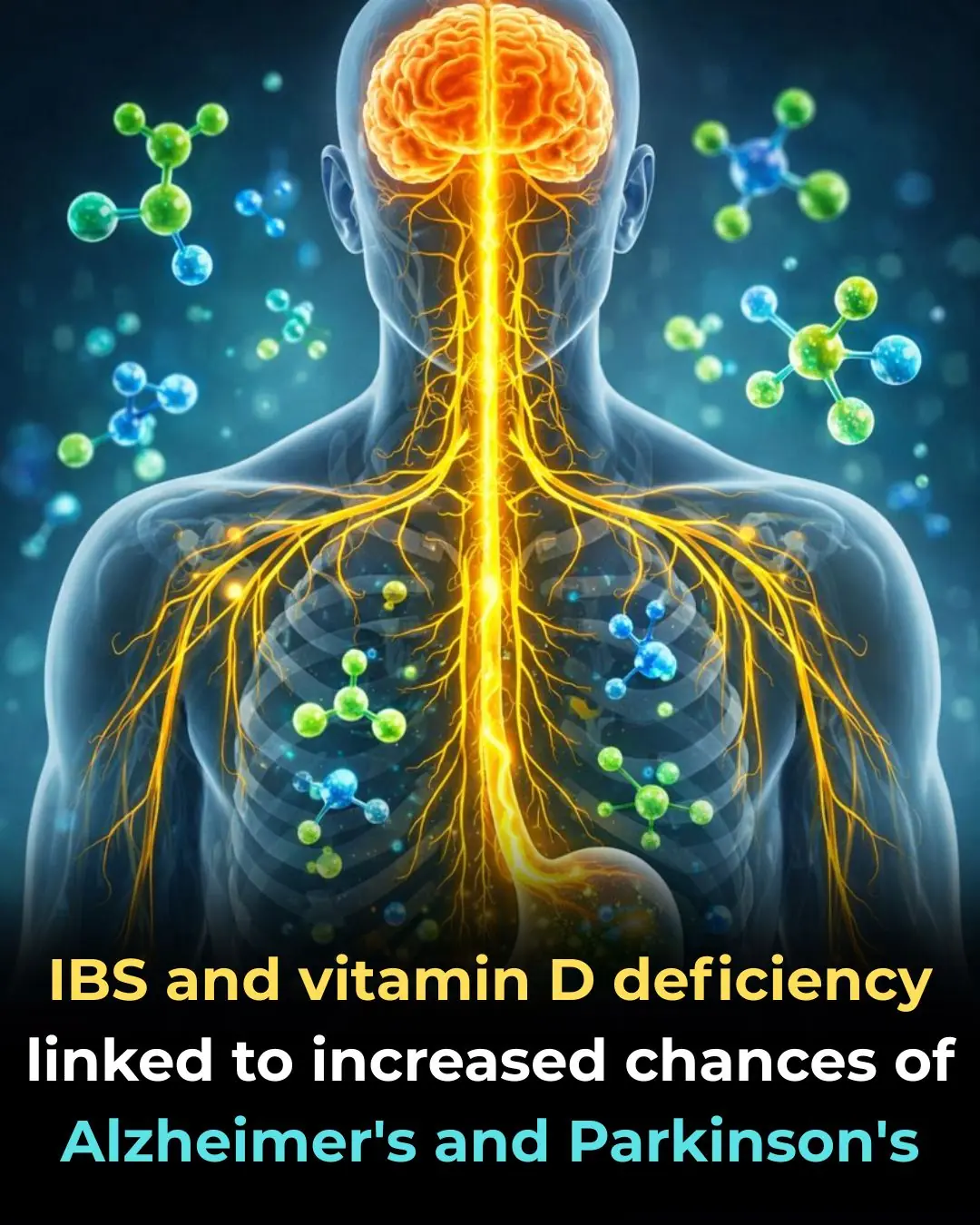
IBS Management: Supplementing with 15g of oral glutamine daily for eight weeks has been shown to reduce IBS symptom severity by approximately 40%. This intervention resulted in an average drop of 120 points on the IBS severity scoring system.
Vitamin D Optimization: Research indicates that older men with a higher concentration of butyrate-producing gut bacteria have significantly higher levels of active, usable Vitamin D, regardless of sunlight exposure or supplement intake.
Microbial Balance: Berberine has been found to suppress harmful gut bacteria like certain E. coli strains while simultaneously boosting beneficial microbes. This shift is directly linked to lower systemic inflammation and improved cholesterol levels.
Protecting the heart and liver requires a holistic approach that bridges oral hygiene, dietary habits, and enzyme-based therapies.
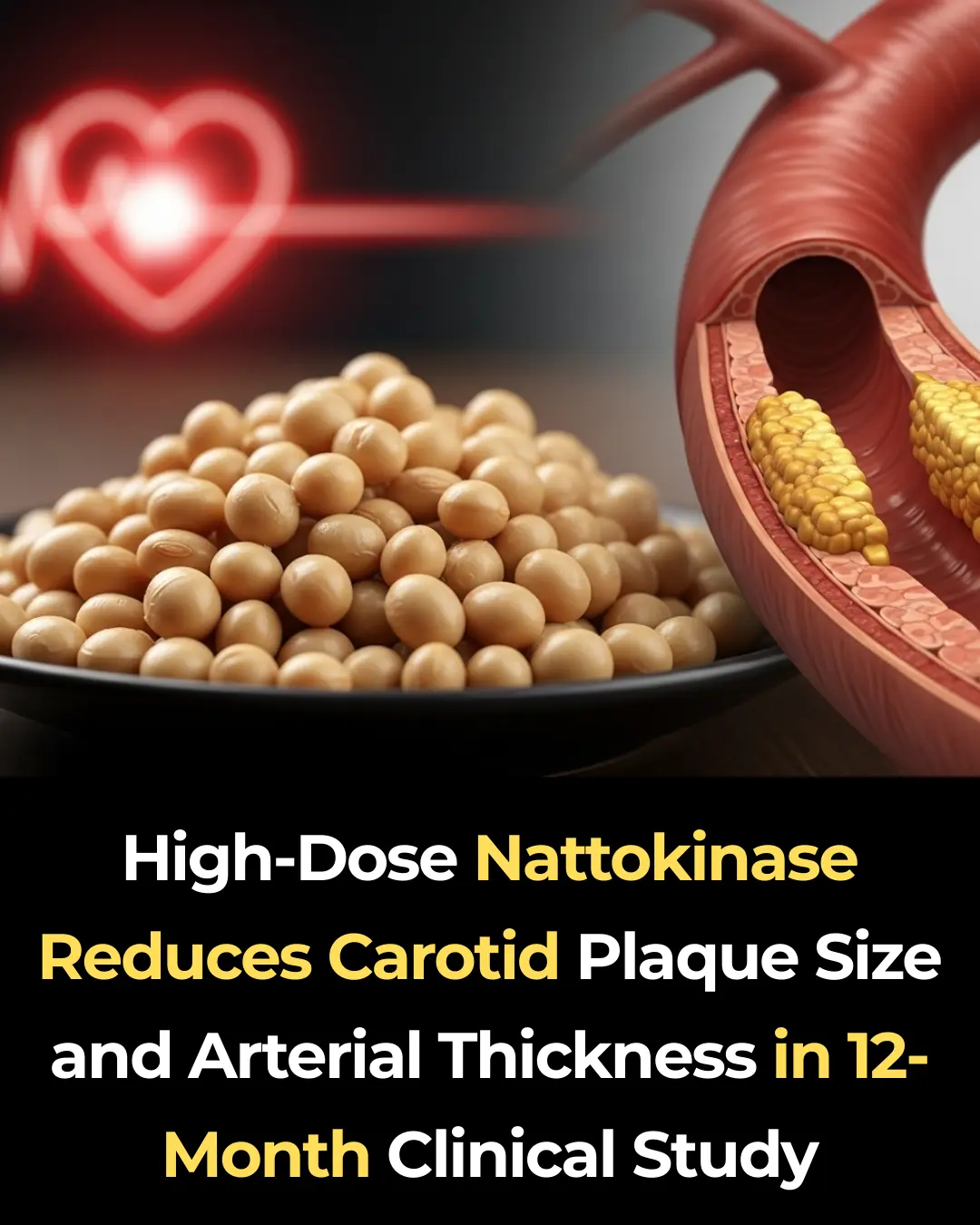
Arterial Health: A large clinical study demonstrated that nattokinase reduced carotid plaque size in 66.5% of participants and decreased arterial wall thickness in 77.7% after 12 months of consistent use.
Systemic Inflammation: Yogurt consumption has been found to significantly reduce levels of TNF-A, a pro-inflammatory protein linked to asthma, arthritis, and cardiovascular disease.
Liver Restoration: Consuming two medium-sized oranges (400g) daily for four weeks reduced the prevalence of fatty liver disease by 30% and led to a significant drop in the GGT liver enzyme marker.
The Mouth-Body Connection: Emerging data suggests that treating gum disease can proactively reduce the risk of heart attacks and strokes.
Integrative oncology is exploring how specific plant synergies, biophysical frequencies, and "weaponized" cellular therapies can target cancer.
Targeted Plant Synergies:
A combination of six plant-derived compounds—curcumin, genistein, indole-3-carbinol, C-phycocyanin, resveratrol, and quercetin—eliminated 100% of cultured human breast cancer cells without harming normal cells under the same lab conditions.
Treating colon cancer cells with curcumin followed by silymarin (from milk thistle) causes the cells to stop multiplying and die in large numbers.
Biophysical Interventions: Exposing cancer cells to a weak electromagnetic field at 7.83 Hz—the Earth's natural frequency—has been found to slow their growth.
Biotechnology breakthroughs:
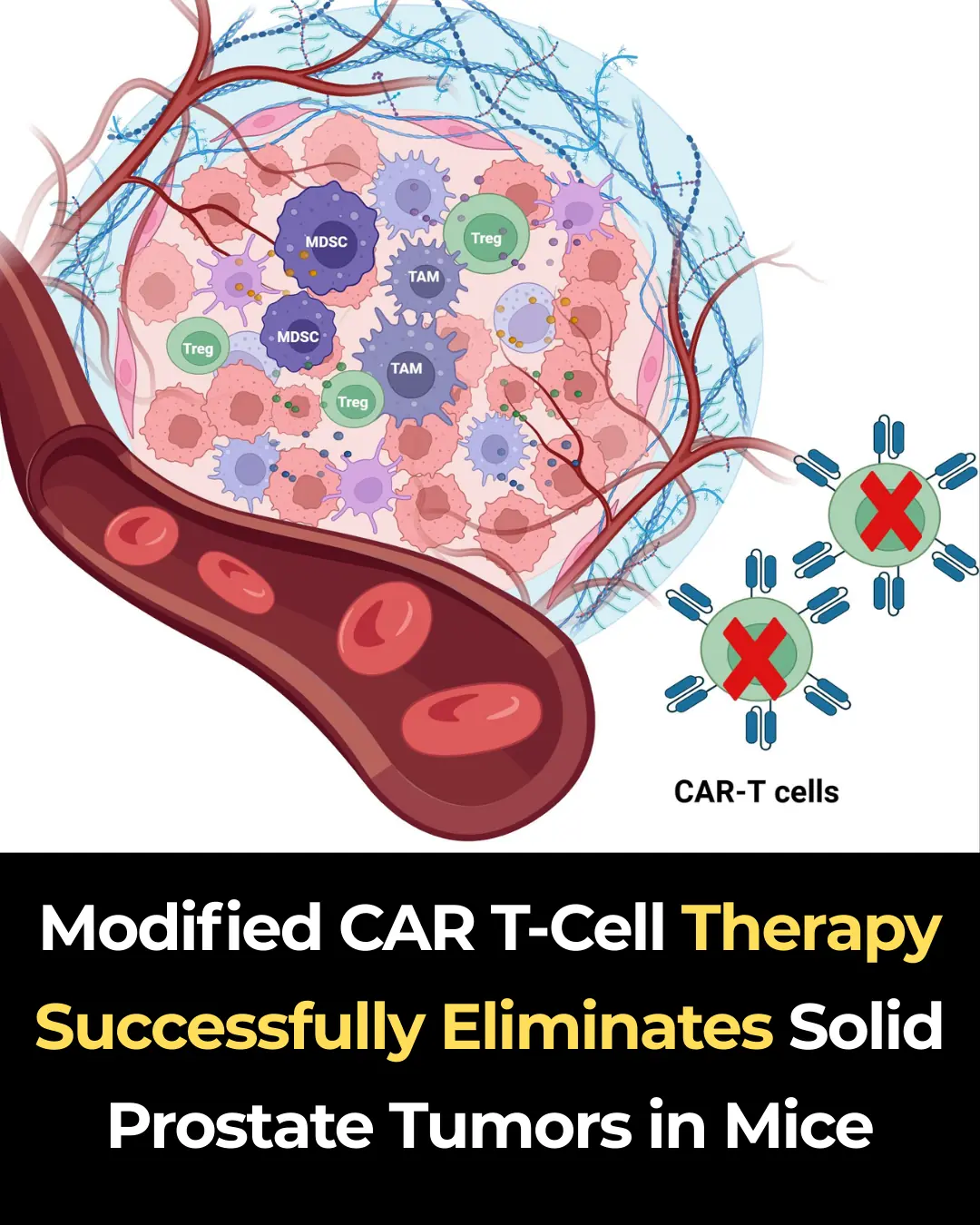
Scientists at Imperial College London developed "weaponized" CAR T-cells that successfully wiped out large solid prostate tumors in mice.
The compound Rapamycin demonstrated the ability to reduce lung tumor numbers in mice by up to 90%.
Environmental Risks: Individuals living 1–2 miles from a golf course face nearly triple the risk of developing Parkinson’s disease, likely due to chronic pesticide exposure.
HIV Recovery: In a major clinical milestone, a 51-year-old man was cured of HIV following a stem cell transplant.
Skeletal Health: Recent studies indicate that tea is linked to stronger bones in older women, whereas high coffee intake may pose risks.