Twin Study Reveals Gut Microbiome's Role in Multiple Sclerosis Development
Health 17/12/2025 23:56
Contemporary medical research is increasingly highlighting the profound impact of targeted nutritional interventions, oral hygiene, and environmental factors on long-term wellness. By bridging the gap between clinical observation and natural therapies, these findings provide non-invasive pathways for managing chronic conditions and preventing severe disease.
Dietary choices during pregnancy serve as a critical foundation for fetal neurodevelopment. A significant study involving a cohort of approximately 4,000 pregnancies found that eating fish during pregnancy was associated with a lower likelihood of an Autism Spectrum Disorder (ASD) diagnosis. Remarkably, this protective association was observed even when maternal consumption was less than one serving per week. The biological importance of these marine nutrients is further illustrated by a researcher trained at Harvard and Oxford who reached Omega-3 blood levels comparable to those found in dolphins after consuming 1,000 sardines over a 30-day period.
Gastrointestinal health shows rapid and profound responsiveness to targeted interventions. "Leaky gut," or increased intestinal permeability, occurs when the tight junction proteins between cells break apart due to inflammation. Research shows that roasted garlic can reverse leaky gut caused by chemical colitis in just three weeks by restoring these essential proteins.
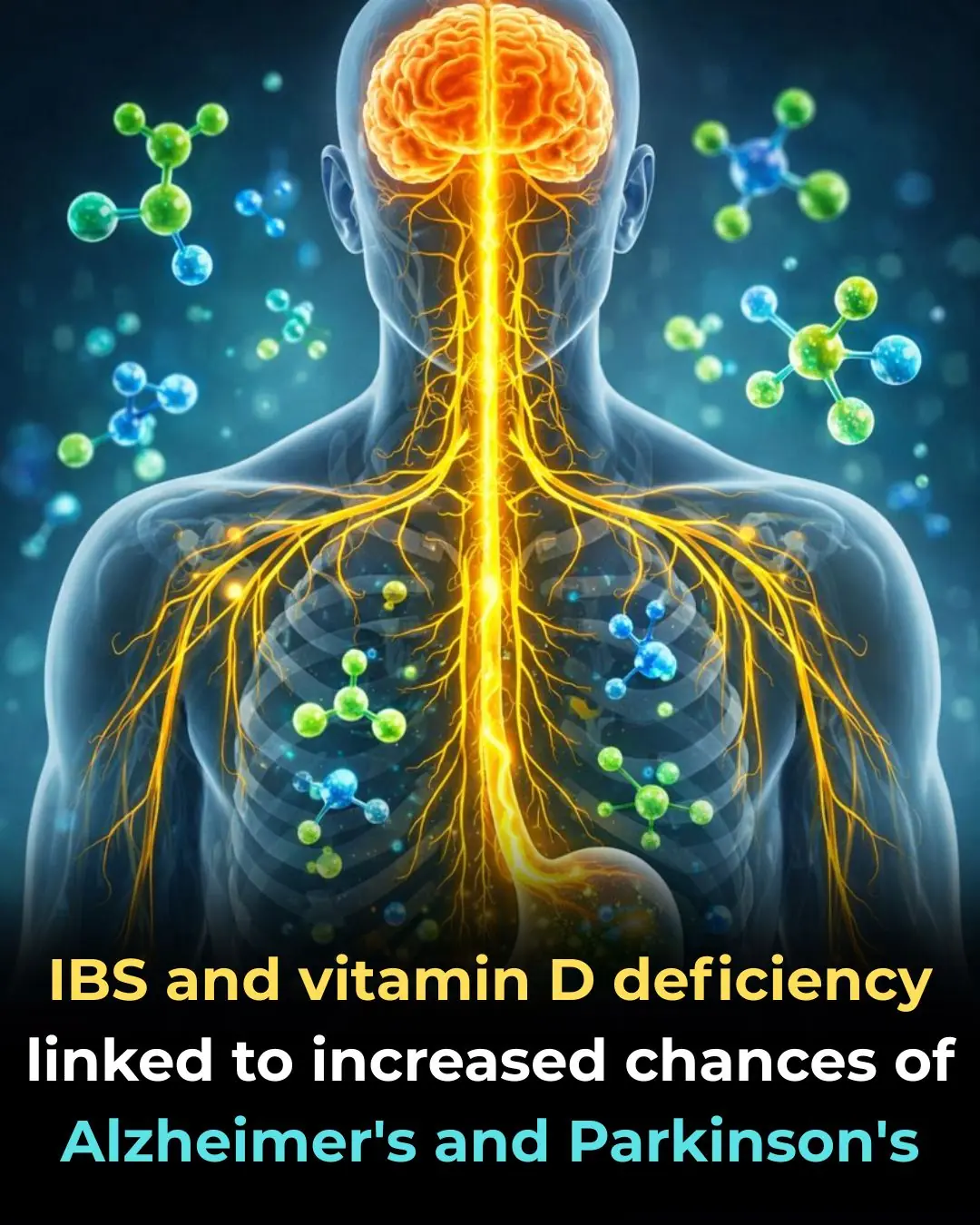
For those suffering from Irritable Bowel Syndrome (IBS), oral glutamine offers substantial relief. A daily dose of 15 grams for eight weeks was shown to reduce symptom severity by approximately 40%, dropping the average severity score from about 301 to 181. Furthermore, the gut microbiome plays a decisive role in nutrient metabolism; older men with higher levels of butyrate-producing gut bacteria have significantly higher levels of active, usable Vitamin D, regardless of sunlight exposure or supplement intake.
Chronic inflammation is a primary driver of degenerative conditions. Natural interventions, such as taking 500 mg of natural eggshell membrane daily, have been found to significantly reduce pain and stiffness associated with knee osteoarthritis in just 10 days. Similarly, yogurt consumption has been linked to significantly reduced levels of TNF-A, a protein that activates inflammation and is associated with diseases like arthritis, asthma, and cardiovascular disease.
The "mouth-body connection" remains a vital area of preventive medicine. Studies suggest that treating gum disease could potentially reduce the overall risk of heart attacks and strokes. For established cardiovascular issues, a large clinical study found that nattokinase significantly reduced carotid plaque size in 66.5% of participants and reduced arterial wall thickness in 77.7% after 12 months of use.
Nutrition and biophysical environment play decisive roles in cancer research. High daily consumption of olive oil—specifically more than 3 tablespoons (40–45 grams)—is associated with a significantly lower risk of certain breast cancer subtypes. The strongest reduction, an approximately 46% lower risk, was noted for HER2-negative tumors.
Innovative lab studies also highlight the power of plant-derived synergies:
Treating colon cancer cells with curcumin followed by silymarin (from milk thistle) caused the cells to stop multiplying and die in large numbers.
A combination of six compounds—curcumin, genistein, indole-3-carbinol, C-phycocyanin, resveratrol, and quercetin—eliminated 100% of cultured human breast cancer cells without harming normal control cells.
Beyond nutrition, research explores how cellular growth responds to the Earth's natural environment. Scientists discovered that exposing cancer cells to a very weak electromagnetic field at 7.83 Hz—the natural frequency emitted by the Earth, known as the Schumann Resonance—slowed their growth. This suggests a deep biological attunement to planetary frequencies that may hold untapped therapeutic potential.