A Complete Guide to Bulging Veins: Causes, Complications, and Care
Health 06/12/2025 09:50
Beets are packed with nutrients and widely praised for their benefits to heart health, digestion, and athletic performance. However, like many nutrient-dense foods, they can cause certain side effects when eaten in large amounts or when someone has specific underlying health conditions. Understanding why these reactions occur can help people enjoy beets safely and in moderation.
Below are the most common concerns linked to beet consumption — and the science behind them.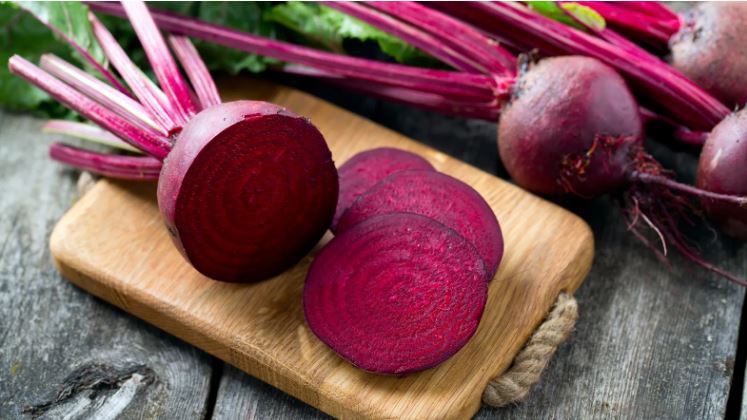
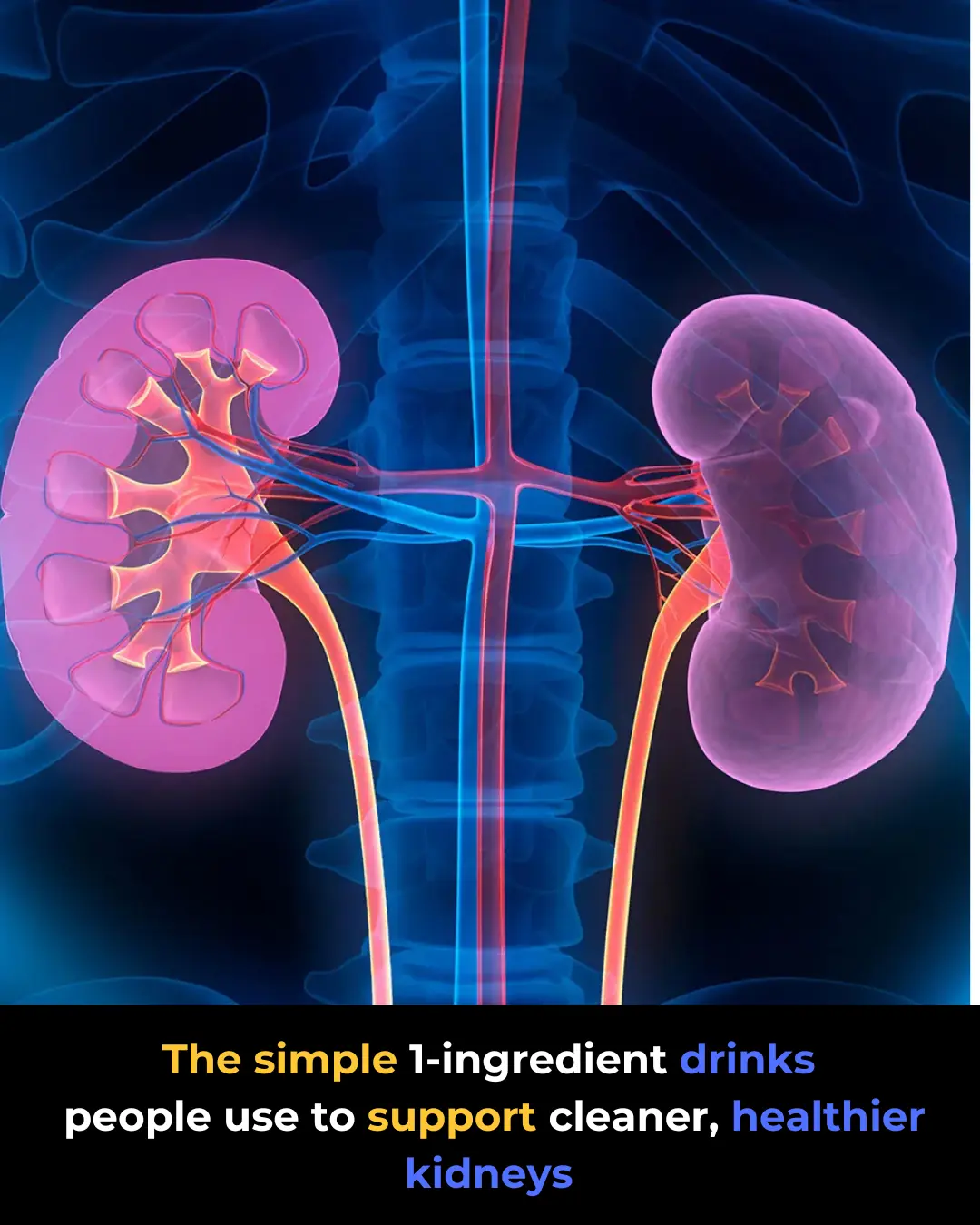
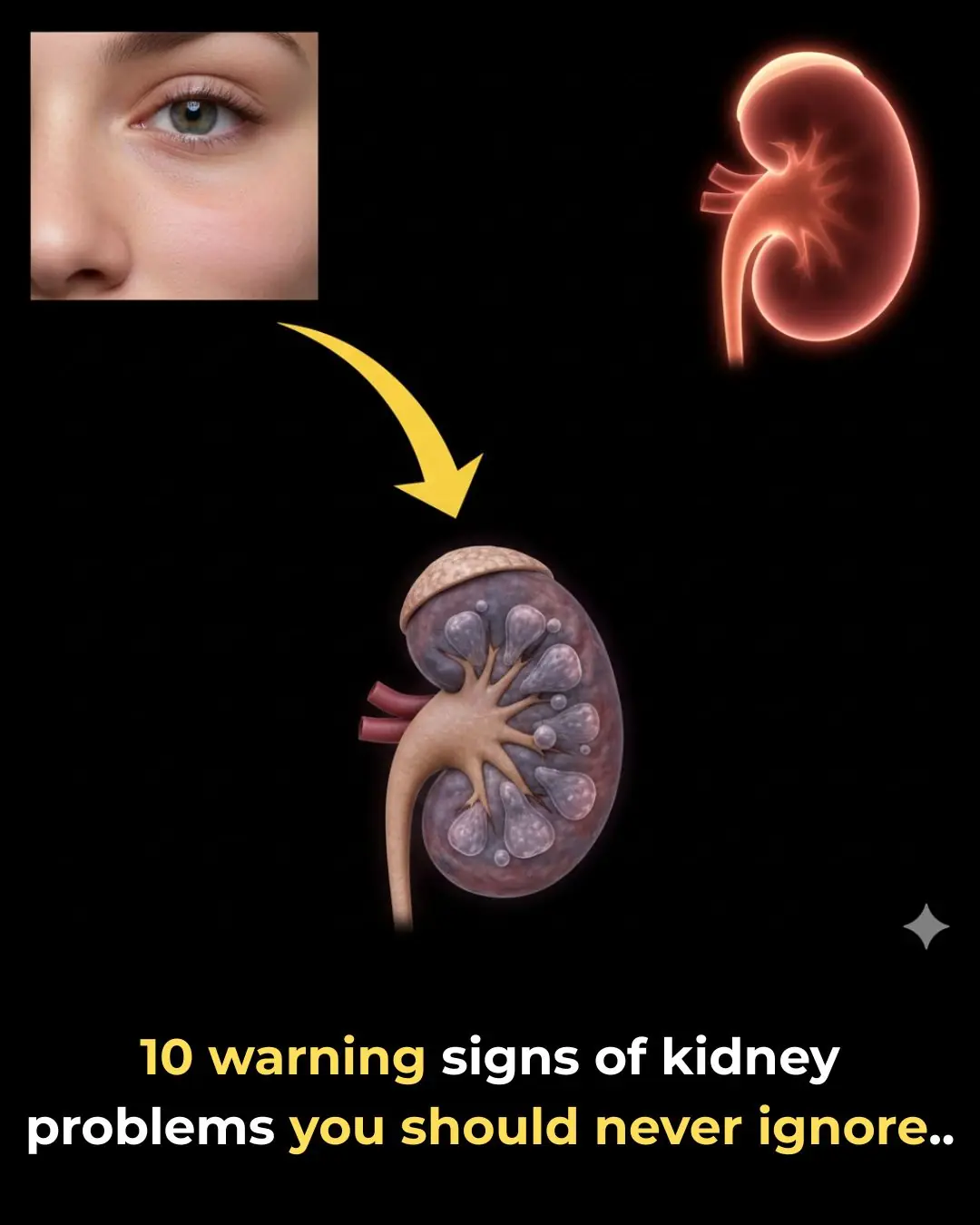
Beets are naturally high in oxalates, compounds that can bind with calcium in the kidneys and form calcium oxalate stones.
Oxalates are present in many leafy greens and vegetables. When the body cannot remove excess oxalates efficiently, they may crystallize inside the kidneys. Over time, this crystallization can contribute to the formation of kidney stones.
People with a history of kidney stones
Anyone advised to follow a low-oxalate diet
Individuals with certain digestive conditions that increase oxalate absorption
While occasional beet consumption isn’t a problem for most people, those with past kidney stones may need to monitor their intake more closely.
Beets contain nitrates, which convert into nitric oxide in the body and help widen blood vessels. This natural vasodilation can lower blood pressure.
For many people, this effect is beneficial — but for others, especially those who already have low blood pressure or take antihypertensive medication, beets may cause their blood pressure to fall too low. This can lead to symptoms like dizziness or light-headedness.
People who naturally have low blood pressure
Those taking blood pressure medications
Individuals sensitive to vasodilators
Although beets are considered a vegetable, they contain a moderate amount of natural sugars and have a moderate to high glycemic load.
Eating large portions may cause blood sugar to rise faster than expected, particularly when beets are juiced or eaten without fiber-rich foods.
Individuals with diabetes
People with insulin resistance
Anyone with prediabetes
Whole beets are generally less likely to spike blood sugar than beet juice, but portion size still matters.
Many people are surprised — and sometimes alarmed — when their urine or stool turns red or pink after eating beets.
Beets contain pigments called betalains, which can pass through the digestive system without fully breaking down. When these pigments are excreted, they give a red tint that can mimic blood.
Although harmless, beeturia can be startling for first-time beet eaters.
Beets are high in FODMAPs, a type of fermentable carbohydrate.
In people with Irritable Bowel Syndrome (IBS) or other digestive sensitivities, FODMAPs can ferment in the gut, leading to:
Bloating
Gas
Abdominal cramping
Loose stools
Cooked beets may be easier to tolerate than raw beets, but sensitivity varies widely among individuals.
Because beets influence blood pressure and blood vessel dilation, they may interact with medications that have similar effects.
Blood pressure medications
Erectile dysfunction medications (such as sildenafil)
Nitrate-based heart medications
When combined, these substances can amplify each other’s effects — potentially causing an excessive and unsafe drop in blood pressure.
Beets can absorb nitrates and trace heavy metals from poor-quality or contaminated soil.
While this risk is low in areas with regulated agriculture, long-term intake of contaminated produce could increase exposure to harmful substances. Choosing beets from reputable sources helps minimize this concern.
Not at all. Beets remain a highly nutritious food and provide:
Fiber
Folate
Potassium
Antioxidants
Nitrates that support heart health
For most people, beets are safe and beneficial when eaten in moderation. The key is being aware of potential side effects — especially for individuals with kidney conditions, low blood pressure, digestive sensitivities, or blood sugar concerns.