Could your morning orange juice be supporting your heart more than you think?
Health 06/12/2025 01:24
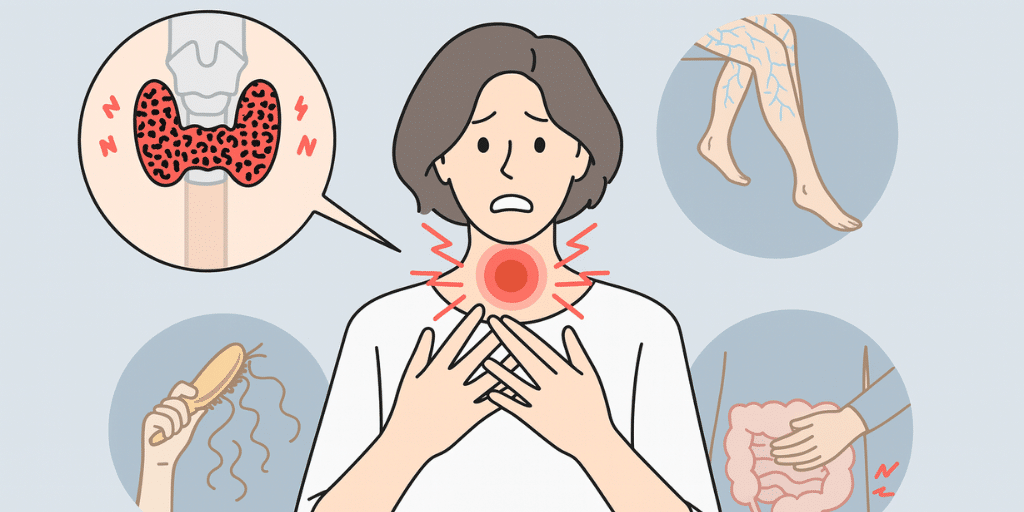
Have you ever felt like something in your body is just… off? Perhaps you’re constantly exhausted, no matter how early you go to bed. Maybe you've noticed hair thinning, unexplained weight gain, or skin that feels dry enough to crack. These symptoms can be confusing—and frustrating—especially when they don’t seem to have a clear cause.
What many people don’t realize is that all these problems can stem from a single source: your thyroid gland.
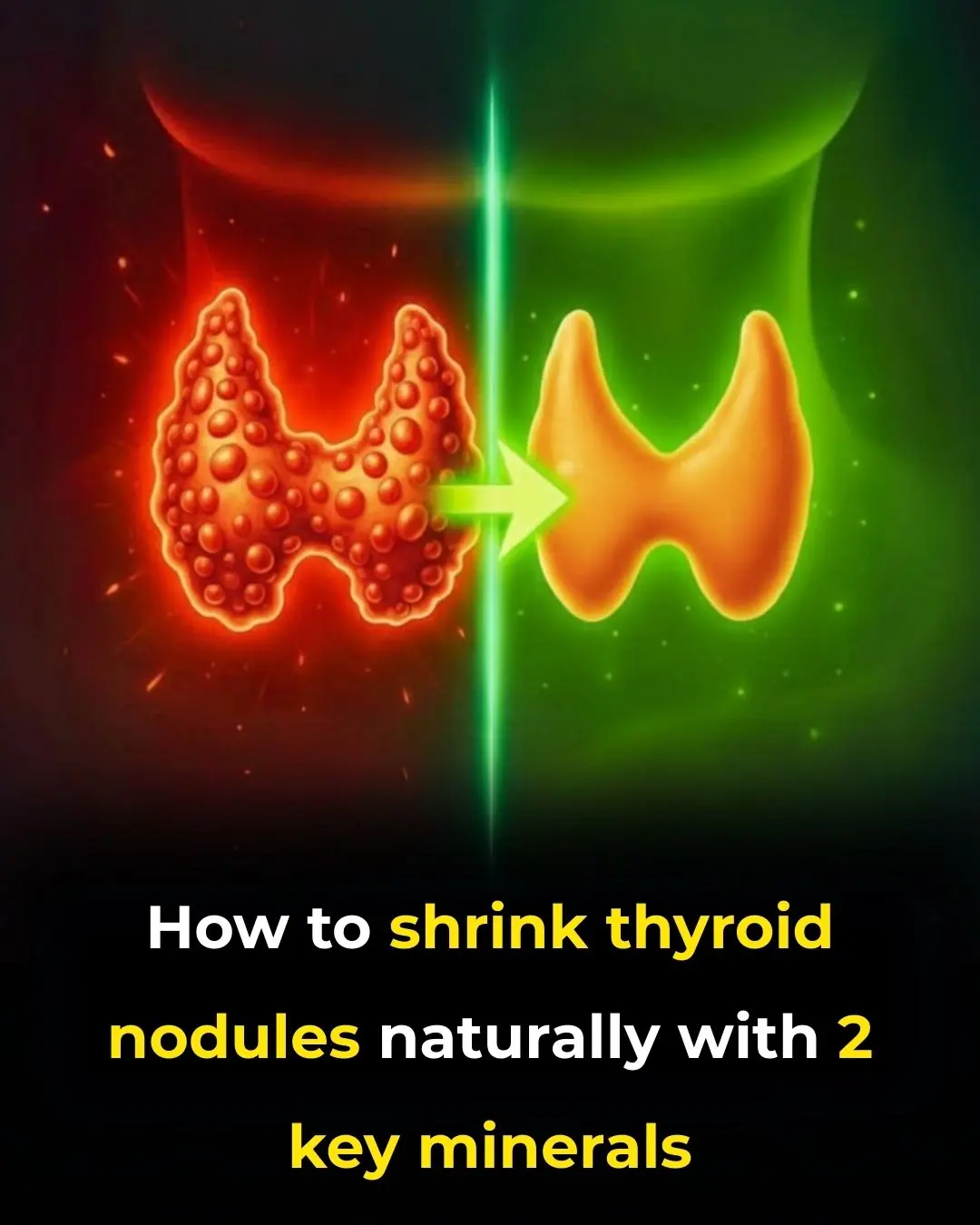
This small, butterfly-shaped gland in your neck is the master regulator of your metabolism. It produces hormones that control energy production, body temperature, digestion, heart rate, and even your mood. When your thyroid slows down—a condition known as hypothyroidism—your entire body shifts into “low-power mode,” and the symptoms can be surprisingly wide-ranging.
Millions of people have hypothyroidism without knowing it because the signs can be subtle at first and easy to blame on stress, age, or lifestyle. Today, we’re breaking down the top 15 signs of an underactive thyroid so you know exactly what to look for.
(Based on the expertise of Dr. Siobhan Deshauer.)
What it is: Hypothyroidism occurs when the thyroid doesn’t produce enough hormones, slowing down essential bodily functions.
Visible signs: Changes often show up in skin, hair, nails, or swelling in the face or neck.
Hidden symptoms: Fatigue, mood changes, menstrual issues, and cold intolerance are common but often overlooked.
Diagnosis & treatment: A simple blood test can diagnose the condition, and treatment with thyroid hormone replacement is highly effective.
One of the clearest signs of thyroid trouble is a visible swelling at the base of the neck. When your thyroid can’t produce enough hormone, your brain increases the release of TSH (Thyroid Stimulating Hormone) to push the gland to work harder. Over time, this extra pressure can cause the thyroid to grow in size, forming a goiter.
A mild goiter may be barely noticeable, but a larger one can cause:
difficulty swallowing
voice changes
tightness in the throat
shortness of breath when lying down
If you ever notice swelling in your neck, especially one that seems to grow, you should speak with a healthcare provider promptly.
Your skin depends on thyroid hormones to maintain a healthy barrier. When these hormones fall too low, your oil glands slow down dramatically. Without enough natural oils to lock in moisture, your skin becomes:
rough
flaky
itchy
cracked in a mosaic-like pattern
People often spend months trying different creams before realizing the problem isn’t the skin itself—it’s the thyroid behind it.
Thyroid hormones help regulate how quickly your skin cells renew themselves. When this renewal slows, dead skin and keratin build up, especially on areas that experience pressure, like the palms and soles.
This can lead to:
thick, stiff skin
deep cracks
painful callus-like patches
a condition called palmar-plantar keratoderma
This sign often appears long before a diagnosis is made.
Hair follicles are extremely sensitive to hormone changes. Hypothyroidism disrupts their growth cycle, causing hairs to enter a resting phase too early.
You may notice:
overall thinning
dry, brittle strands
excessive shedding in the shower
hairbrush full of loose hairs
Unlike typical pattern baldness, thyroid-related hair loss tends to be diffuse, affecting the entire scalp.
Low thyroid hormone slows nail growth and disrupts nail structure. Nails may become:
thick but fragile
split easily
dull and ridged
vulnerable to separation from the nail bed (onycholysis)
This can be one of the earlier cosmetic signs of hypothyroidism.
This classic sign—sometimes called the “Queen Anne sign”—refers to thinning or loss of the outer third of your eyebrows. This isn’t a cosmetic issue; it reflects a disruption in hair growth cycles related to low hormone levels.
If your eyebrows seem to be fading, especially towards the ends, your thyroid may be to blame.
Hypothyroidism leads to a buildup of a jelly-like substance called myxedema, which gathers in the skin and tissues. This causes swelling, especially around the eyes and cheeks.
Myxedema isn’t simply water retention—it's a true structural change in the tissue. The skin may feel doughy or unusually firm.
This same myxedema can also infiltrate muscles, including the tongue. A swollen tongue can cause:
snoring
difficulty speaking clearly
bite marks along the edges
worsening sleep apnea
For some people, this symptom is the one that finally points them toward a thyroid evaluation.
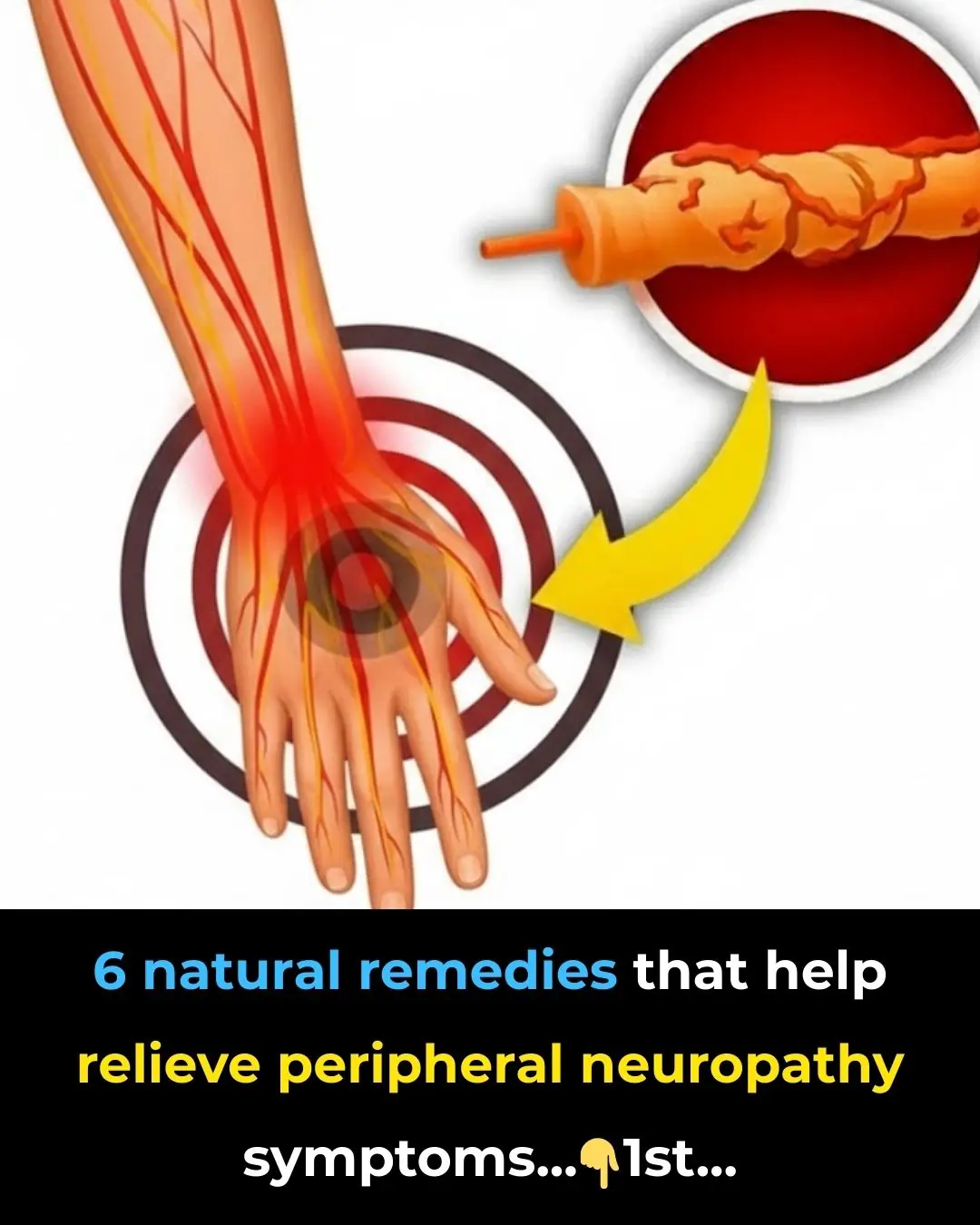
Swelling inside the wrist can compress the median nerve, leading to:
tingling
numbness
burning
wrist or hand pain
Interestingly, carpal tunnel syndrome can be one of the first signs of untreated hypothyroidism.
Hypothyroidism slows your metabolism, meaning your body produces significantly less heat. As a result, many people:
wear sweaters in warm weather
sleep in extra layers
have cold hands and feet year-round
If you constantly feel chilly while others are comfortable, your thyroid could be underperforming.
Beta-carotene from foods like carrots, squash, and sweet potatoes is normally converted into vitamin A. But in hypothyroidism, this conversion slows dramatically.
This leads to a buildup of pigment in the skin, especially:
on the palms
on the soles
around the nose
Unlike jaundice, the whites of the eyes remain normal in carotenemia.
Thyroid hormones profoundly influence your brain chemistry. Low levels can cause:
decreased serotonin and dopamine
slowed processing speed
poor concentration
emotional flattening
forgetfulness
For this reason, physicians often check thyroid function during mental health evaluations.
Thyroid hormone interacts closely with reproductive hormones. When levels drop, you may experience:
heavier bleeding
longer periods
shorter cycles
fertility challenges
worsened PMS symptoms
This is one of the reasons undiagnosed hypothyroidism is sometimes discovered during fertility testing.
This isn’t just ordinary tiredness—it’s a deep, lingering exhaustion. Even a full night’s sleep may not help. You may find yourself struggling to:
concentrate
stay awake during the day
perform simple tasks
exercise without feeling drained
Fatigue is one of the most universal signs of hypothyroidism.
Since thyroid hormones regulate metabolism and digestion, low levels slow down both.
This means:
you burn fewer calories
you gain weight easily
bowel movements become infrequent or difficult
Even small hormone imbalances can result in noticeable changes on the scale.
If several of these signs sound familiar, the next step is simple: talk to your healthcare provider. Diagnosis usually involves a blood test that measures your TSH (and often free T4).
If the results confirm hypothyroidism, treatment is straightforward. The most common therapy is levothyroxine, a synthetic form of thyroid hormone that restores hormone levels to normal.
With proper treatment, many symptoms slowly fade, and most people regain their energy, mood, physical comfort, and quality of life.