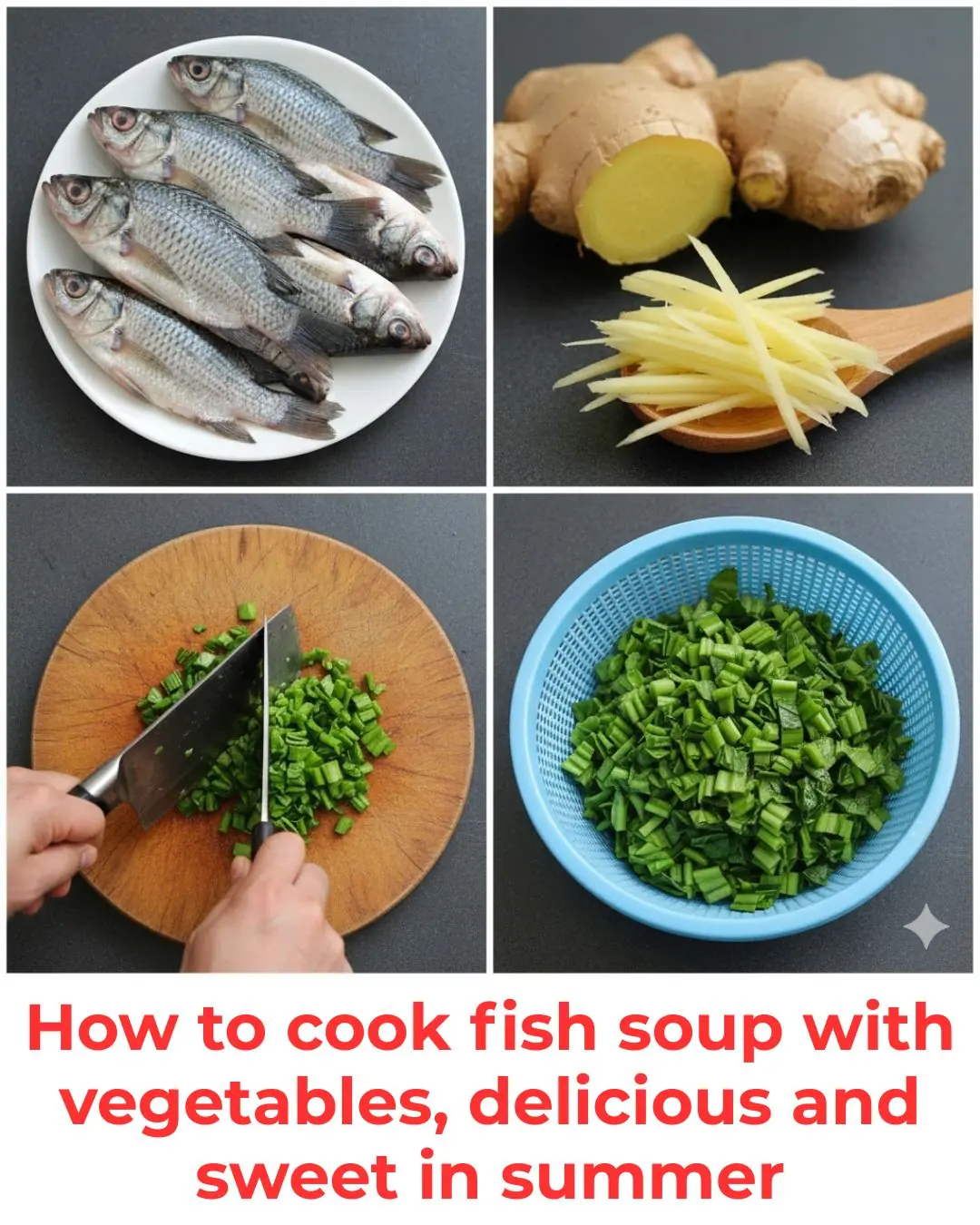
How to cook fish soup with vegetables, delicious and sweet in summer
Tips 05/12/2025 23:23
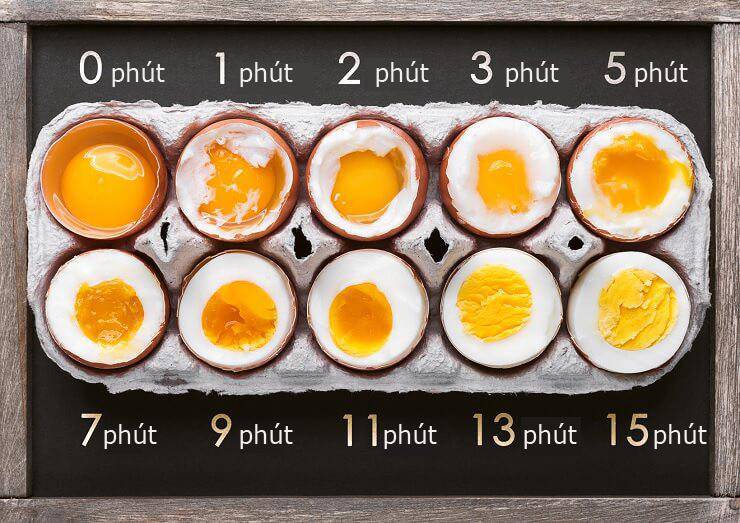
Boiled eggs are a nutritious and widely loved dish, but getting the yolk cooked exactly the way you like isn’t always as simple as it sounds. The cooking time can significantly affect the texture of both the yolk and the egg white, so timing is key.
If you prefer soft-boiled eggs with a runny, silky yolk, 7 minutes (counting from the moment the water begins to boil) is the ideal cooking time. At this stage, the yolk remains creamy while the white firms up just enough to hold its shape.
For those who enjoy a slightly firmer yolk that is no longer runny but still soft and custard-like, boiling the eggs for around 9 minutes is perfect. The egg white will be tender, and the yolk will have a pleasant, gel-like texture that many people find satisfying.
If you want your eggs fully cooked, with both the yolk and white completely firm, boil them for 13–15 minutes. This level of doneness is ideal for dishes like stuffed eggs, salads, or lunchboxes, where you need clean, fully set slices that hold their shape well.
Note: Cooking time can vary depending on the size of the eggs. Smaller eggs cook faster, while larger ones may take a bit longer. The guidelines above are based on medium-sized eggs commonly found in most households.
Fresh eggs tend to stick to the shell more, making them harder to peel and leaving the egg white uneven or torn. To avoid this, use the following technique:
Right after the eggs finish boiling, pour out the hot water immediately and rinse the eggs under cold water. Then, soak them in fresh cold water. Repeating the cold-water shock once more helps the eggs “contract,” making the shell separate more easily from the white.
Once the eggs have cooled down, gently roll each egg on a hard surface to crack the shell thoroughly. Then peel the egg under running cold water. This method helps the shell slip off smoothly and saves significant time—especially useful when you need to peel many eggs for dishes like braised eggs, meatloaf with eggs, or large family meals.
Additionally, using eggs that are a few days old instead of freshly laid ones can also make peeling easier, as the pH of the egg white changes over time, reducing its tendency to cling to the shell.