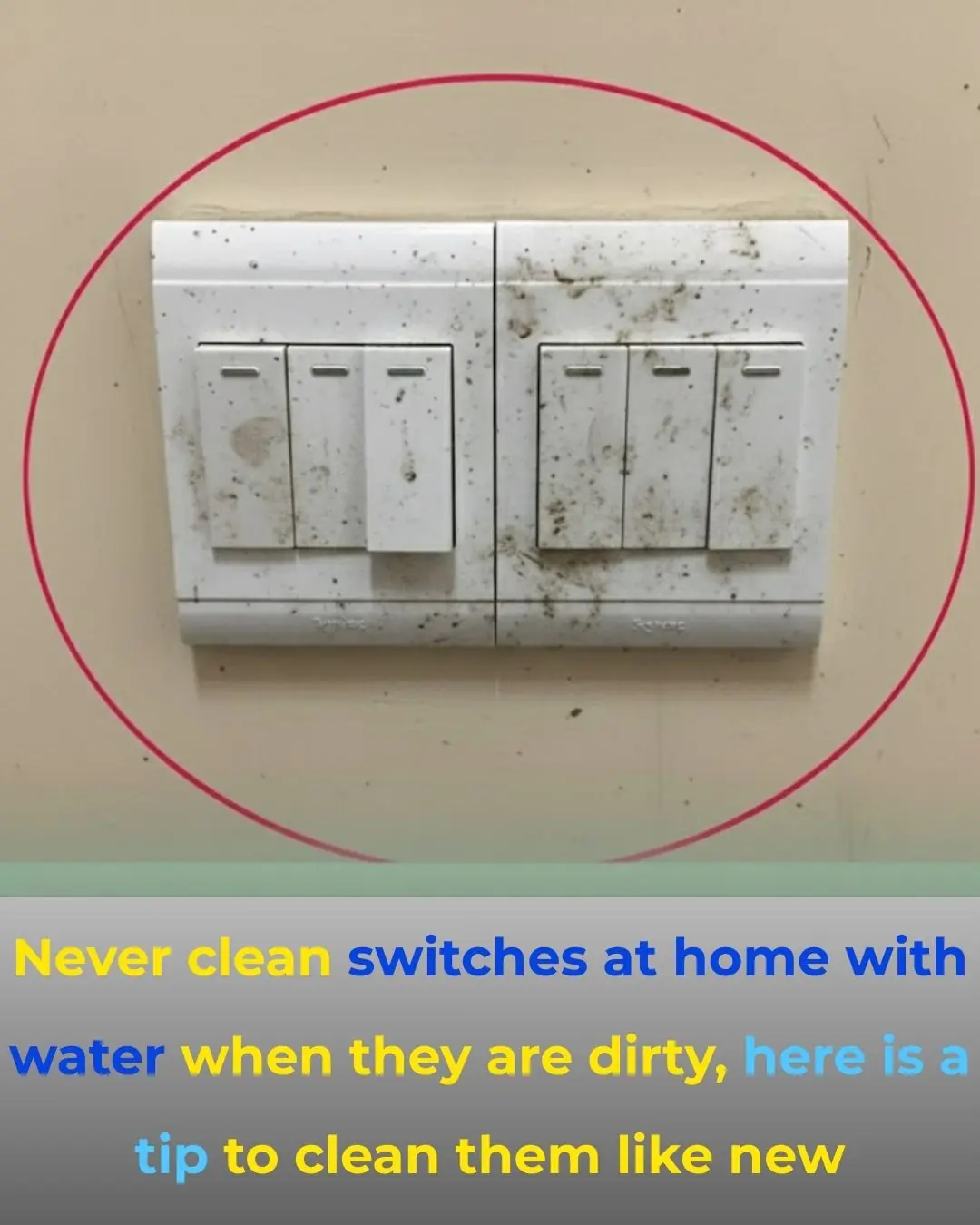
Never Clean Your Light Switches with Water! Here’s a Safe Trick to Make Them Spotless
Tips 04/12/2025 22:54
By cleaning your rice cooker properly, its heating efficiency can be fully restored, helping it cook faster and use less electricity. The rice cooker is an essential appliance in every household, as it is used daily to prepare one of the most important parts of our meals—rice. All you normally need to do is rinse the rice, add an appropriate amount of water, place the inner pot inside the cooker, and press the button.
However, because the rice cooker is used so frequently, keeping it clean is extremely important. Many people assume that cleaning only the inner pot is enough, but this is not true. If you neglect three key areas, the cooker will not only consume more energy but may also become a breeding place for bacteria and mold, eventually affecting the quality of your rice and even harming your health. So, which three parts should you never overlook?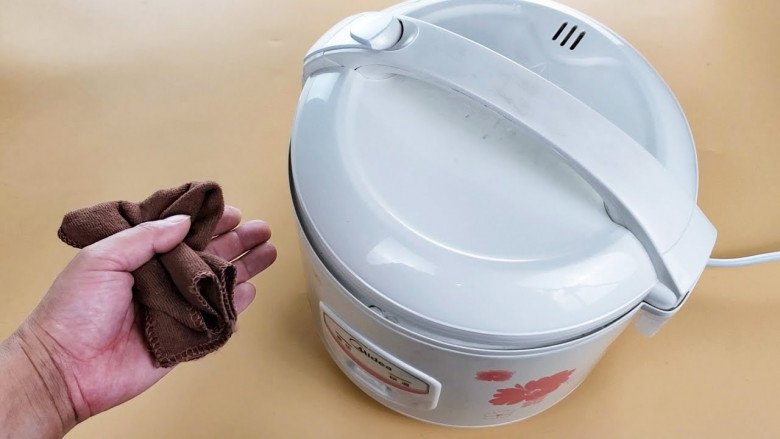
The lid plays a crucial role in the rice-cooking process. The quality and taste of your rice depend significantly on how well the lid retains heat and prevents moisture from escaping. It also keeps boiling water from spilling out and protects the user from steam burns.
When rice boils, steam and starch rise and condense on the lid. Over time, if this buildup is not cleaned regularly, it can accumulate into stubborn residue where bacteria and mold thrive. During the next cooking cycle, the rising steam will carry these microorganisms back into the pot, contaminating the rice.
Fortunately, most modern rice cookers come with detachable inner lids. You can easily remove them for washing with warm water and soap. After cleaning, make sure to dry the lid thoroughly—either by air-drying or wiping it with a clean cloth—before attaching it back. This simple habit helps keep your rice flavorful and hygienic.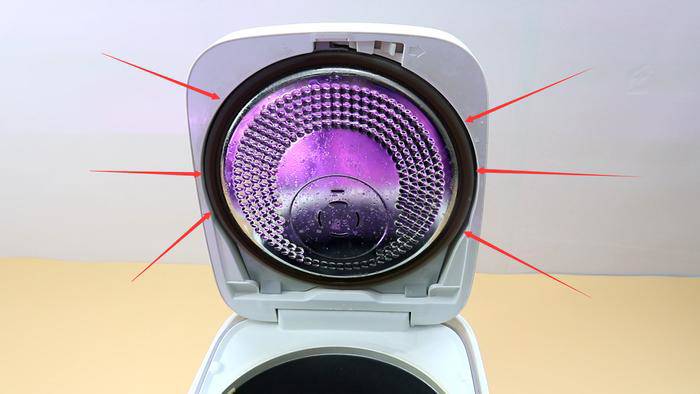
The heating plate at the bottom of the cooker is the heart of the appliance—it is the component responsible for producing heat to cook the rice. Surprisingly, many people forget to clean it, even though keeping it free from dirt is essential for efficient heating.
Small particles such as dust, food residue, or moisture often fall onto the heating plate when the inner pot is removed. Over time, these residues form a layer that disrupts even heat distribution. This causes rice to cook more slowly, increases energy consumption, and may even lead to undercooked or unevenly cooked rice.
Cleaning the heating plate is simple. After removing the inner pot, you will see a slightly raised circular metal surface—this is the heating plate. Apply a small amount of toothpaste to an old toothbrush and gently scrub the surface. The fine bristles can reach into narrow gaps, and the mild abrasives in toothpaste help remove grime without damaging the metal.
After scrubbing, wipe the heating plate with a dry, clean cloth. Ensuring this area is kept dry also helps prevent rust and extends the lifespan of the cooker. With regular cleaning, the rice cooker will heat more efficiently, saving both time and electricity.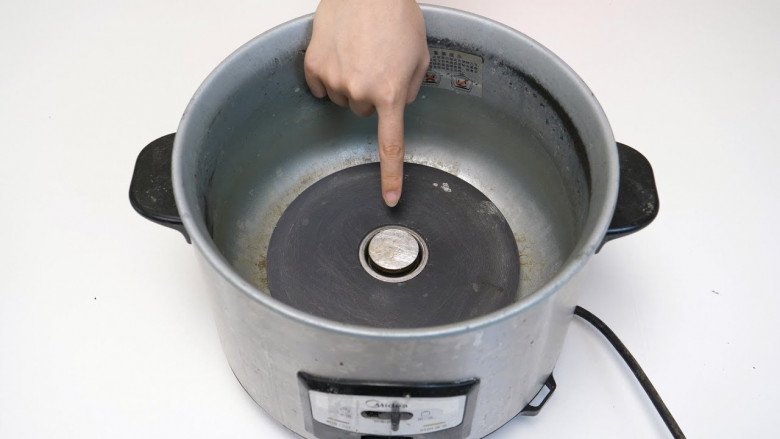
On the top of the lid, there is a small steam vent that releases pressure during cooking. When rice boils, not only steam but also tiny starch particles escape through this vent. If left uncleaned, these particles gradually clog the vent, reducing its ability to release steam properly.
A clogged steam vent can cause excess pressure to build up inside the rice cooker, which may result in water spilling over or rice cooking unevenly. In more serious cases, it can affect the safety of the appliance.
Cleaning the steam vent is straightforward. Simply remove the vent cover, rinse it thoroughly, scrub if needed, and let it dry before assembling it back. Keeping this small part clean ensures that steam flows smoothly, helping the rice cook evenly and maintaining a pleasant aroma.
For the best performance, you should clean your rice cooker at least once a week. Besides the three main components mentioned above, remember to wipe the outer shell of the cooker to prevent dust buildup and maintain a clean appearance. Regular maintenance not only improves cooking quality but also extends the lifespan of your rice cooker, ensuring it serves your family well for years.