The washing machine has a "secret button" that, with one touch, cuts electricity consumption by 62%.
Tips 04/12/2025 21:21
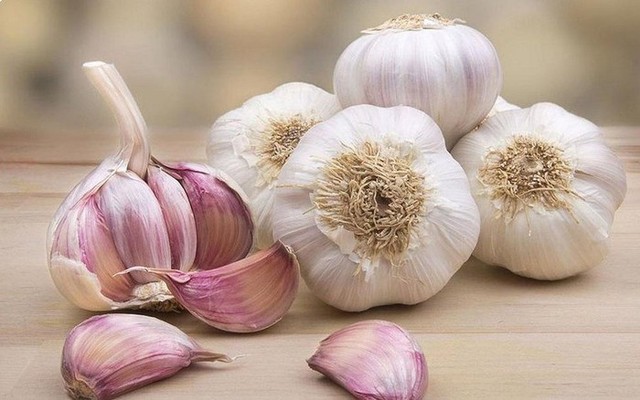
When browsing through the vegetable section at the market, we often see two familiar varieties of garlic: white garlic and purple garlic. At first glance, they may appear to differ only in color. However, the truth is that each type possesses its own unique characteristics in terms of flavor, aroma, and nutritional value.
White Garlic:
White garlic generally contains more moisture, which gives it a milder and less pungent flavor. Because of this gentle heat, it is a popular choice for eating raw. Many people enjoy pairing raw white garlic with dishes such as noodles, pho, boiled meat, or salad-style meals to enhance the overall taste and stimulate the appetite.
Purple Garlic:
In contrast, purple garlic has less moisture, resulting in a stronger aroma, a sharper heat, and a more intense flavor. This pronounced fragrance is exactly what makes purple garlic the “soul” of stir-fried dishes, sauces, and marinades. Once heated, it releases a rich, unmistakable aroma that is difficult to achieve with white garlic.
Additionally, purple garlic tends to hold its flavor better during cooking, making it especially suitable for recipes that require long simmering or sautéing.
Besides their differences in flavor, the two types of garlic also vary in terms of nutrition.
Both white and purple garlic are rich in protein, healthy fats, carbohydrates, vitamins, and essential minerals. However, purple garlic stands out for containing higher amounts of certain beneficial compounds.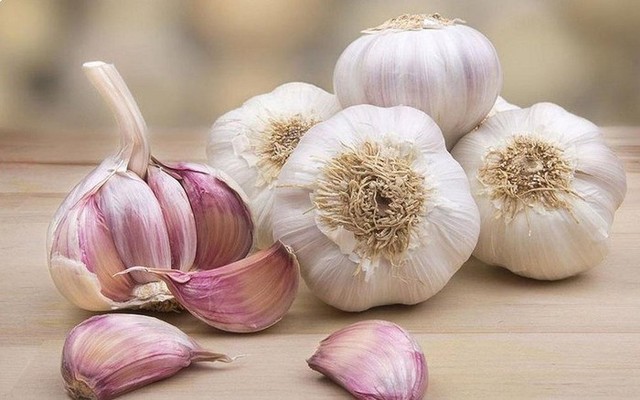
Rich in anthocyanins:
This natural pigment is responsible for the purple color and acts as a powerful antioxidant that helps combat oxidative stress in the body.
Higher allicin content:
Allicin is the compound responsible for garlic’s antibacterial and antiviral properties. With more allicin, purple garlic may support better immunity and help reduce the risk of common infections.
Potential health benefits:
Regular consumption of purple garlic—when combined with a balanced diet—may help support heart health, improve digestion, and contribute to overall wellness.
In short, both types of garlic are wonderful culinary ingredients. They elevate your dishes with distinct flavors while offering health-promoting benefits. Depending on your preferences and cooking needs, you can choose the variety that best suits each recipe.
To keep dried garlic bulbs fresh and prevent spoilage, you can apply the following simple yet effective storage methods:
The key to long-lasting garlic is low humidity. Excess moisture leads to sprouting or mold. Store garlic at room temperature, away from direct sunlight. A breathable basket, mesh bag, or open container allows air to circulate and keeps garlic dry and firm.
Paper materials help absorb moisture and allow garlic to “breathe.” Unlike plastic bags, which trap humidity and accelerate rotting, paper prevents dampness and prolongs shelf life.
Extended contact with metal surfaces may cause oxidation, affecting the garlic’s quality and flavor. For best results, store garlic in non-metal containers.
This traditional method remains highly effective. Hanging garlic in the kitchen or a dry storage area allows maximum airflow. It also makes it easy to spot any bulbs that begin to deteriorate.
A clever and highly effective storage trick is using dry roasted salt:
Roast 50–60 grams of coarse salt until golden.
Wrap the salt in clean gauze and tie it securely.
Place the salt pouch inside the storage bag or basket of garlic.
The salt absorbs excess moisture and helps inhibit bacterial growth, allowing garlic to stay fresh for up to one year without losing its aroma or quality.
Even though dried garlic can last a long time, occasional inspection is essential. Removing bulbs that show signs of mold or sprouting helps protect the rest of the batch.