Say Goodbye to Swelling …Natural Ways to Beat Water Retention Fast
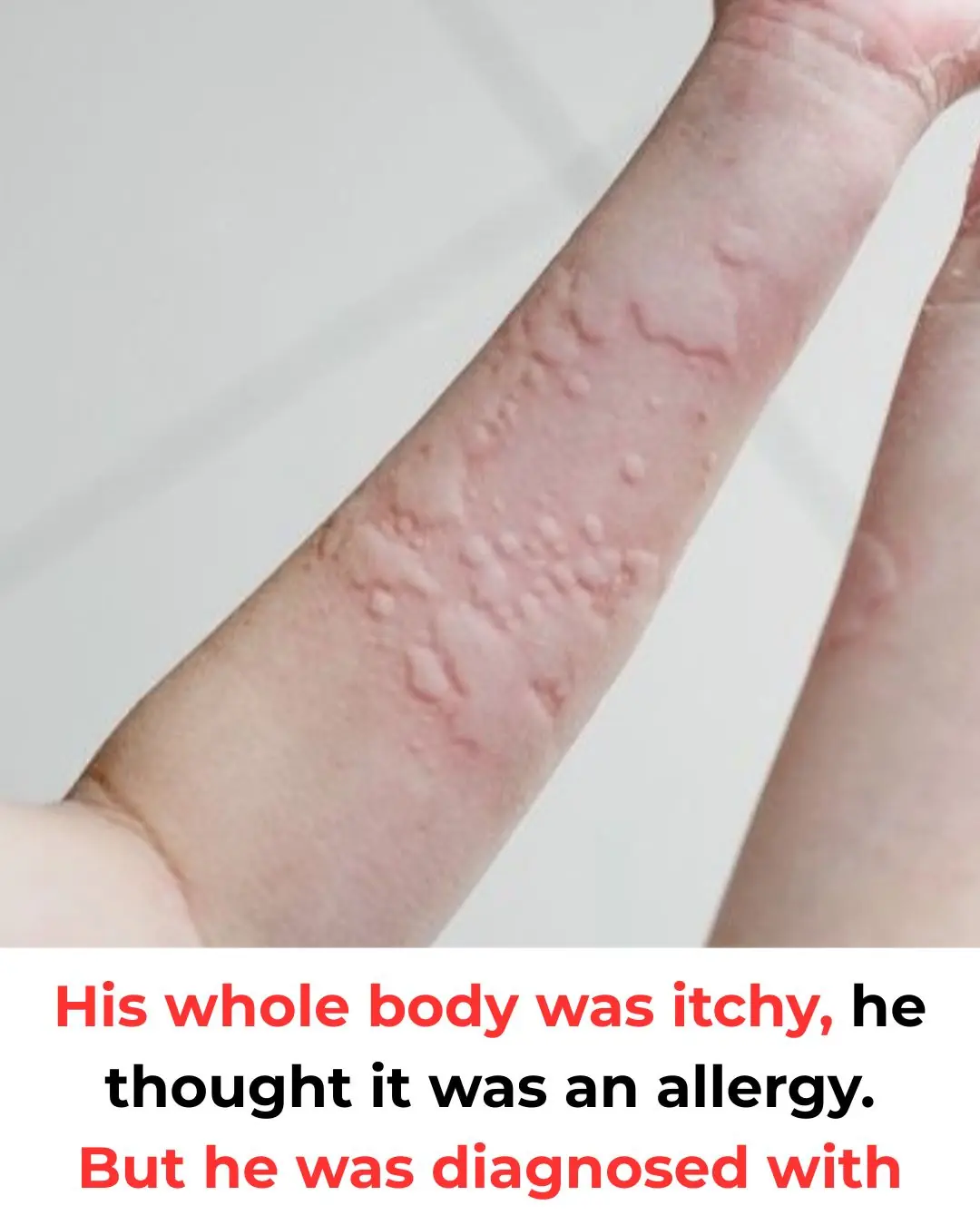
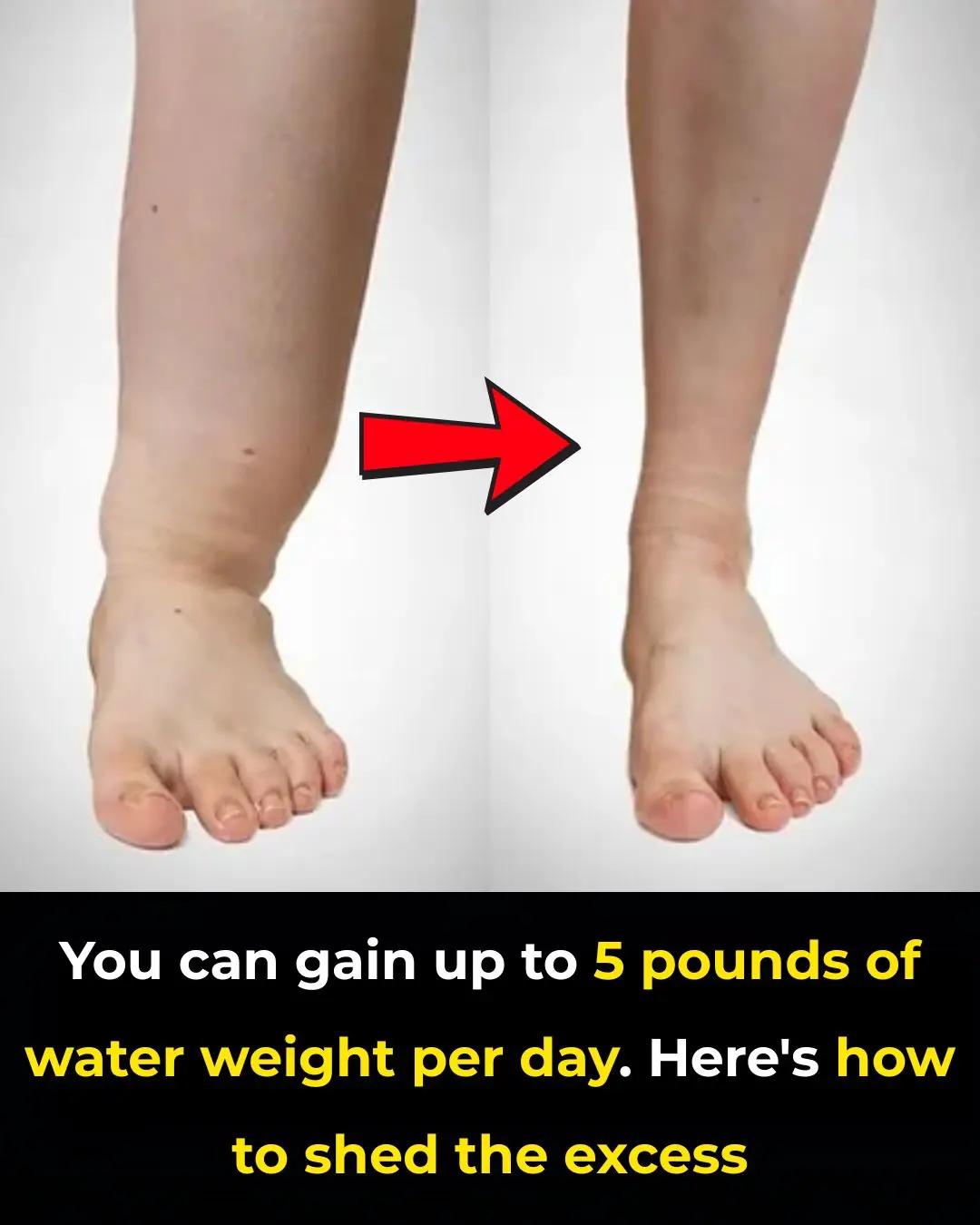
Water retention—also known as edema—happens when excess fluids build up in the body, often causing swelling in the hands, feet, ankles, and legs. For many people, it’s a temporary annoyance. But when it lingers, it can feel uncomfortable, frustrating, and sometimes even signal an underlying health concern.
The good news? Understanding what’s behind the swelling can help you manage it more effectively and feel better overall.
Common Causes of Water Retention
There’s no single cause of fluid buildup. The body can hold onto extra water for a variety of reasons, such as:
- High sodium intake
- Hormonal changes (menstruation, pregnancy, menopause)
- Certain medications, including steroids and blood-pressure drugs
- Sitting or standing for long periods
- Underlying health conditions, such as heart, liver, or kidney issues
Identifying what’s triggering your swelling is the first step toward finding the right solution.
How Water Retention Shows Up in Your Hands and Feet
Swelling can look or feel like:
- Puffiness
- Stiffness or reduced mobility
- Tightness or heaviness
- Skin that appears stretched or shiny
- A temporary indentation when pressing on the area (in more serious cases)
Catching symptoms early helps you take simple steps before the swelling becomes uncomfortable.
Why Staying Hydrated Actually Helps
It may sound backward, but drinking enough water is one of the best ways to prevent your body from holding onto fluids.
When you’re dehydrated, your body tries to protect you by storing water. Hydration supports kidney function, helping flush out excess sodium—one of the main culprits behind swelling.
Diet Changes That Reduce Water Retention
A few adjustments can make a big difference:
- Cut back on salty, processed foods
- Eat potassium-rich foods to balance sodium
- Choose whole, fresh foods
- Minimize preservatives and additives
A balanced diet keeps your fluid levels in check and supports overall health.
Foods That Help the Body Release Excess Water
Certain foods act as natural diuretics, helping your body let go of extra fluid:
Hydrating, water-rich foods:
- Cucumbers
- Watermelon
- Celery
- Citrus fruits
Potassium-rich foods:
- Bananas
- Avocados
- Sweet potatoes
Adding these to your weekly meals supports natural detoxification and fluid balance.
Herbal Teas That May Reduce Swelling
Some herbal teas have gentle, natural diuretic effects:
- Dandelion tea
- Green tea
- Parsley tea
One to two cups a day can support hydration and help decrease puffiness.
Soothe Swollen Hands & Feet with an Epsom Salt Soak
Epsom salt—rich in magnesium—can help reduce inflammation and draw out excess fluid.
How to make it:
- Mix ½ cup Epsom salt into a basin of warm water
- Soak hands or feet for 15–20 minutes
- Repeat several times a week
It’s a simple, soothing routine with quick results.
Anti-Inflammatory Smoothie Recipe
A refreshing, nutrient-packed drink to start your day:
Ingredients:
- 1 cup kale
- 1 cup pineapple chunks
- ½ cucumber
- 1 tbsp chia seeds
- Juice of ½ lemon
- 1 cup coconut water
Blend and enjoy in the morning for hydration and inflammation support.
Natural Diuretic Drink
This fruity blend helps the body flush out excess water:
Ingredients:
- 1 cup watermelon
- ½ cucumber
- ½ cup cranberry juice
- Juice of 1 lemon
Blend until smooth. Best enjoyed in the morning or early afternoon.
Hydrating Detox Soup
Warm, nourishing, and great for fluid balance.
Ingredients:
- 1 chopped onion
- 3 minced garlic cloves
- 1 tbsp olive oil
- 4 cups low-sodium vegetable broth
- 1 cup celery
- 1 cup carrots
- 2 cups spinach
- 1 tbsp fresh parsley
- Salt & pepper to taste
Sauté onion and garlic, add remaining ingredients, and simmer 20–25 minutes. Enjoy alongside meals to support hydration and detoxification.
Lifestyle Habits to Reduce or Prevent Swelling
A few daily practices can help keep swelling at bay:
- Regular exercise for better circulation
- Elevate your legs when possible
- Wear compression stockings if recommended
- Maintain a nutrient-dense, balanced diet
- Manage stress and get enough sleep
Healthy habits support long-term fluid balance and overall wellness.
Final Thoughts: Keeping Fluid Levels Balanced
Water retention is common, but with the right habits, you can manage it effectively. By understanding the causes, recognizing symptoms early, and making supportive diet and lifestyle choices, you can reduce swelling and feel more comfortable day to day.
Hydrate well, nourish your body, and listen to its signals—your fluid balance (and your overall well-being) will thank you.
You’ve just read, Say Goodbye to Swelling. Why not read Manager Had To Hire A New Employee.