When Humor Meets Heritage: The Risks of Defacing Public Art
Facts 04/12/2025 22:55
The Untold Story of Laika, the First Dog in Space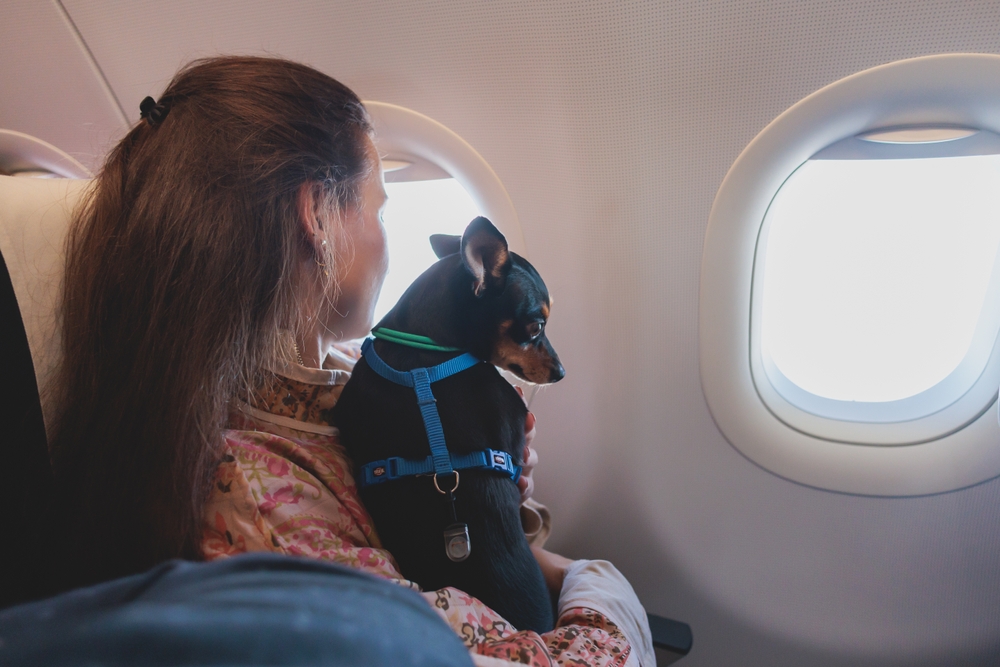
Laika’s name drifts through history with a blend of awe and sorrow, a stark reminder that humanity's greatest achievements are often shadowed by unintended consequences. Laika’s story, once largely forgotten, has resurfaced periodically over the years, stirring emotions and reigniting conversations about the ethical dimensions of space exploration. While she was heralded as a heroic pioneer—an innocent animal chosen to help humanity reach for the stars—few knew the grim details of the suffering she endured, which have only come to light in recent years.
Her tragic fate continues to stir collective grief, with social media, documentaries, and articles revisiting her story annually. Statues, tributes, and emotional posts continue to circulate, reflecting on the cost of scientific ambition and the lives that have been caught up in its wake. Laika's mission was groundbreaking and historically significant, but also marked by ethical missteps. To fully understand her story, it is necessary to delve deeper into the hurried and imperfect world of early space exploration.
Laika's life began on the streets of Moscow, a stray dog who wandered the urban landscape in search of food and shelter. She was small, friendly, and calm—traits that made her an ideal candidate for the Soviet Union's space program. At the time, Soviet researchers favored stray animals for space missions, believing their resilience and adaptability to harsh environments made them better suited for the grueling conditions of space travel.
The Cold War cast a heavy shadow over the ambitions of both the Soviet Union and the United States. After the surprise success of Sputnik 1, the Soviet Union sought to solidify its position as the global leader in space technology. The pressure to maintain their lead accelerated the timeline for subsequent missions, and these rushed decisions would come to haunt the legacy of early space programs. The mission that Laika was selected for—Sputnik 2—lacked any plans for the safe return of its occupant, making her fate a foregone conclusion.
Laika, who was initially called Kudryavka and sometimes referred to as Albina or Zhuchka in different accounts, was one of a group of small female dogs selected for the mission. Her gentle demeanor and small size made her a perfect fit for the cramped quarters of the spacecraft. Soviet engineers believed that female dogs fared better in confined spaces, a key consideration when preparing for the mission's challenges.
Laika underwent weeks of intensive training to prepare for the journey into space. This included long hours spent in progressively smaller crates, simulating the cramped interior of the spacecraft. She was exposed to loud noises, changes in air pressure, and isolation—all designed to mimic the harsh conditions of a spaceflight. Despite the effort to simulate space, Laika could not understand the nature of her training, and the stress she experienced was far beyond what any animal should endure.
The urgency surrounding the mission was largely driven by political considerations. The Soviet Union wanted Sputnik 2 to launch on November 3, 1957, to coincide with the 40th anniversary of the October Revolution. However, the technology to ensure a safe return had not yet been developed, and everyone involved knew that Laika's mission would be a one-way trip.
On the day of the launch, Laika was sealed inside Sputnik 2 at the Baikonur Cosmodrome. Sensors were implanted in her body to monitor her vital signs, including her heart rate and breathing. As the rocket took off, Laika’s heart rate skyrocketed to nearly three times its normal pace, a clear indicator of the extreme stress and fear she experienced as the spacecraft soared into space.

For many years, the official narrative painted Laika's death in a softer light. The Soviet Union claimed that she survived for several days in orbit before passing away painlessly when her oxygen supply ran out. This version of events was meant to shield the Soviet program from public backlash. It wasn’t until 2002 that Russian authorities revealed the full truth: Laika died within hours of reaching space due to extreme overheating.
The thermal control system of the spacecraft malfunctioned shortly after reaching orbit. As the temperature inside the capsule climbed to dangerous levels, Laika was overwhelmed by hyperthermia. Researchers later confirmed that her vital signs deteriorated rapidly, and she likely died between the third and fourth orbit, just a few hours after launch.
Many engineers involved in the mission later expressed regret, some even admitting that they had grown attached to Laika. The knowledge that she would not survive weighed heavily on those who had been responsible for her fate, revealing a deep emotional conflict between scientific ambition and moral responsibility.

To understand the role Laika played in early space exploration, it’s essential to consider the context of the time. In the mid-20th century, scientists had no way of knowing how humans—or animals—would react to the extreme conditions of space. The challenges of space travel, such as microgravity, radiation, and intense acceleration, posed a significant threat to living organisms. At the time, the fear was that human astronauts might not survive even brief exposure to space.
In this context, both the United States and the Soviet Union turned to animals to test these unknowns. While the U.S. primarily used monkeys and chimpanzees, the Soviets favored dogs, which had already been used in high-altitude and suborbital tests. The use of animals in space exploration was an unfortunate but necessary step in advancing our understanding of space travel.
The physiological risks of spaceflight were vast and uncertain. Scientists needed to gather data on how animals’ bodies would respond to rapid acceleration, changes in atmospheric pressure, radiation, and other space-related stressors. Since human space travel was still too dangerous, animals were seen as a safer option for these crucial tests. Laika's mission provided valuable data that helped refine spacecraft life support systems. However, many experts argue that this knowledge came at an ethical cost that should not have been ignored.
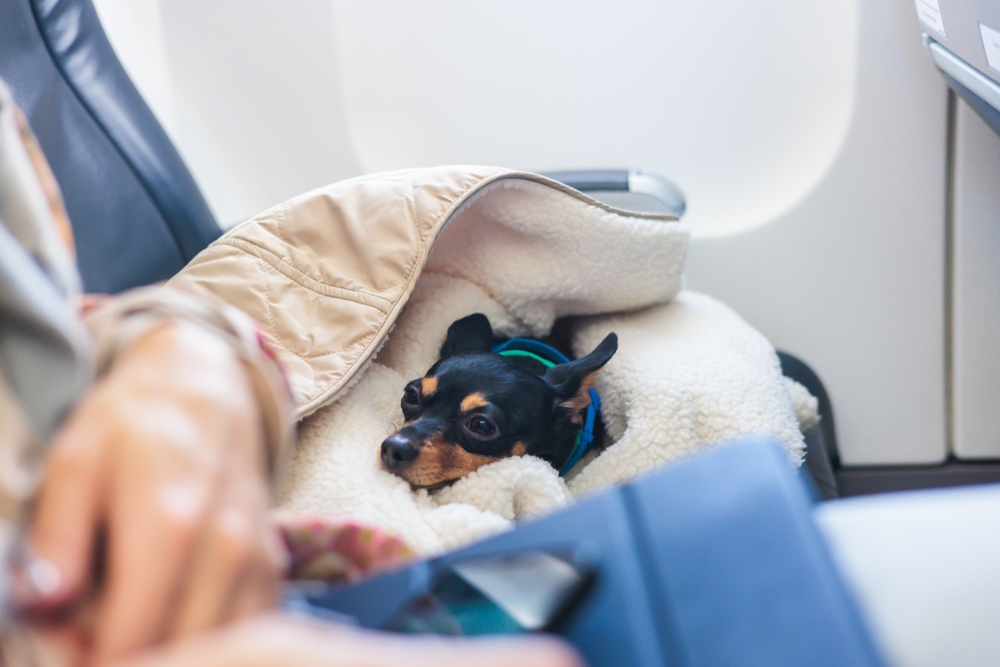
As news of Laika's mission spread, it garnered international attention. Her image was widely circulated, often depicted as a brave pioneer. However, as more details about the mission emerged, public opinion shifted. It became increasingly apparent that Laika's fate was not the heroic narrative that many had imagined. The lack of a plan for her return, combined with the cruel conditions she endured, sparked widespread outcry.
Laika’s story became deeply entwined with debates about animal testing. Activists, including many within the scientific community, criticized the mission as an unnecessary and inhumane sacrifice. Some viewed Laika’s death as a tragic symbol of how scientific ambition could overshadow compassion for the living creatures involved.
Despite the tragedy, Laika’s mission contributed valuable data to the field of space exploration. The telemetry from her sensors provided scientists with important information about how the body responds to the stress of spaceflight. Researchers were able to track her heart rate, breathing, and body temperature, which helped refine the technology used in future human space missions.
Sputnik 2 also carried instruments to measure cosmic radiation, solar particles, and temperature fluctuations in space—data that proved invaluable for future spacecraft development. Although the findings from Laika's mission were important, modern technologies, such as robotics and computer simulations, now allow scientists to gather similar data without putting animals at risk.
The aftermath of Laika's mission left a deep emotional scar on many of those involved. Some engineers, like Oleg Gazenko, expressed their regret publicly, stating that they should never have sent an animal into space without a plan to bring it back. This personal reflection highlights the complexity of scientific progress, where the pursuit of knowledge often comes at a heavy cost.
Laika's death became a turning point in the debate over animal testing. Over time, stricter guidelines were put in place for the ethical treatment of animals in research. Laika’s legacy also prompted increased awareness about the need for humane practices in scientific exploration (New York Times).

Today, Laika is remembered in various forms. In Moscow, a statue commemorates her, capturing the image of a dog bravely looking out into the unknown. Museums and exhibitions continue to showcase her story, and artists, writers, and filmmakers have drawn inspiration from her life. Laika’s image appears on stamps, in books, and on merchandise, forever capturing her as both a tragic figure and a symbol of the cost of progress.
Laika’s legacy endures in classrooms, where her story is used to teach students about the complexities of scientific exploration and the importance of balancing curiosity with compassion. As her memory lives on, Laika’s story remains a poignant reminder of the ethical challenges that arise in the pursuit of knowledge.
The Broader Legacy of Space Animals
Laika was not the only animal involved in space exploration. Before her, various animals, including monkeys and mice, had been used in high-altitude tests. After her mission, both the Soviet and U.S. space programs continued using animals for research. However, with advancements in technology, safer conditions and more humane practices were developed, allowing for improved recovery and better care for the animals involved.
As technology progressed, space agencies began to phase out the use of animals in space missions. Today, most animal experiments in space are done with smaller species, and robotics and simulations are the preferred methods for collecting data.
Laika’s story remains a cautionary tale that prompts reflection on how humanity balances ambition with empathy. Modern space agencies no longer use animals for orbital missions, thanks to advancements in technology and ethical guidelines. However, her journey continues to provoke important questions about the future of scientific research, the treatment of animals, and the ethical boundaries of progress.
Laika's legacy challenges us to think critically about the value of life and the moral implications of scientific discovery. Her story encourages us to ask how we can move forward in our pursuit of knowledge while maintaining a commitment to compassion and respect for all living beings (BBC).