Never Clean Your Light Switches with Water! Here’s a Safe Trick to Make Them Spotless
Tips 04/12/2025 22:54
Water weight refers to the extra water stored in the body’s tissues, often causing bloating, puffiness, and a general feeling of heaviness—especially in the abdomen, legs, and arms. While this condition is temporary, it can still feel uncomfortable or alarming when the scale suddenly jumps a few pounds. In fact, it’s normal for body weight to fluctuate by two to five pounds throughout a single day, but when the increase is rapid or persistent, it may indicate changes in diet, hormones, or lifestyle habits.
Understanding what causes water retention is the first step toward managing it effectively and helping your body maintain a healthy fluid balance.
Water retention, also known as edema, happens when excess fluid becomes trapped within the body’s tissues. Since the human body is made up of roughly 60% water, fluid balance is essential for regulating temperature, transporting nutrients, and supporting cellular function.
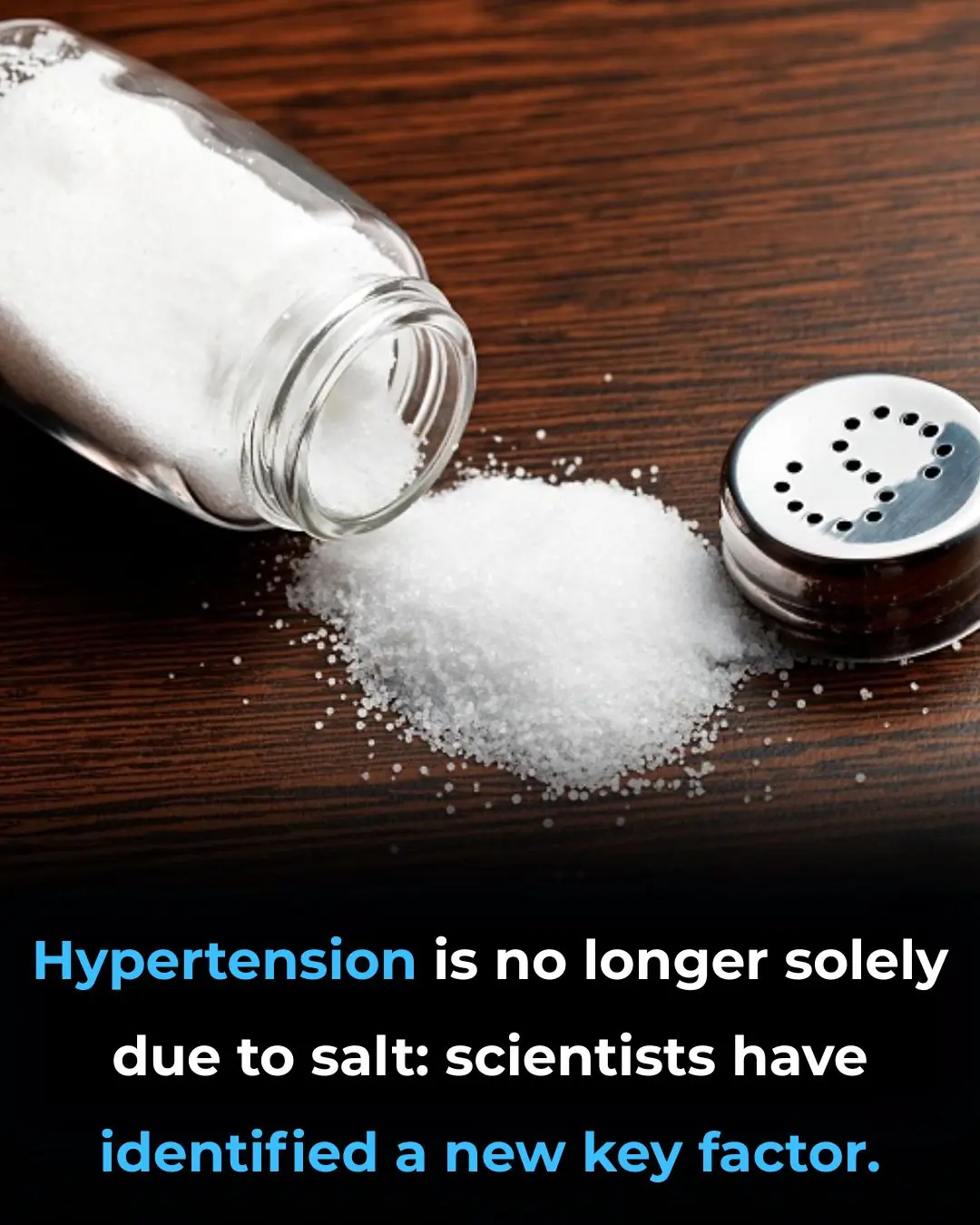
Retention often occurs when the delicate balance between water and electrolytes—particularly sodium and potassium—is disrupted. Sodium attracts and holds water, while potassium helps flush it out. When these levels are thrown off, the body may cling to surplus water.
Hormonal shifts are another major contributor. Many people notice increased bloating around menstruation, pregnancy, or periods of heightened stress, all linked to fluctuations in hormones like estrogen, progesterone, and cortisol.
Water retention can be triggered by a wide range of everyday factors, including:
High sodium intake from processed foods, fast food, packaged snacks, or restaurant meals
Dehydration, which signals the body to conserve water
Sedentary habits, especially long periods of sitting or standing still
Hormonal fluctuations related to menstrual cycles, pregnancy, or stress
Certain medications, such as steroids, blood pressure drugs, or NSAIDs
Heat and humidity, which can cause the body to retain water as a cooling mechanism
Even small changes—like eating a salty dinner or traveling long distances—can cause noticeable bloating the next day.
Your daily habits play a major role in determining how much water your body holds. A diet lacking in whole foods and rich in sodium-heavy, processed items encourages fluid buildup. On the other hand, meals high in fresh produce, fiber, and potassium help maintain electrolyte balance.
A sedentary lifestyle can make water retention worse because muscle movement helps support healthy circulation and lymphatic flow. Additionally, stress and poor sleep can affect hormones that regulate fluids, making bloating more likely.
Simple adjustments, like moving frequently, hydrating consistently, and prioritizing restful sleep, can dramatically reduce symptoms over time.
Signs of water retention include:
Bloating or puffiness in the face, abdomen, and extremities
A heavy or sluggish feeling
Rings or shoes feeling tighter than usual
Imprints on the skin after removing socks or elastic clothing
Swelling in the legs, ankles, or feet—especially after sitting or standing for long periods
These symptoms tend to fluctuate and often improve once you adjust your fluid intake, diet, or activity levels.
While occasional water weight isn’t dangerous, chronic or persistent fluid retention may signal underlying issues such as:
Kidney dysfunction
Liver disorders
Thyroid imbalances
Heart failure
Certain medication side effects
Long-term retention can also contribute to higher blood pressure and increased strain on the cardiovascular system. If symptoms persist, it’s important to consult a healthcare professional for proper evaluation.
Reducing water retention often comes down to improving hydration, supporting circulation, and keeping electrolytes in balance. Here are ten practical, evidence-based hacks to help you feel lighter and more comfortable.
It may sound counterintuitive, but drinking more water helps your body release stored fluid. When you’re dehydrated, your system hangs on to water as a protective response.
Staying adequately hydrated supports kidney function, reduces bloating, and helps flush out excess sodium.
Sodium is a leading cause of fluid retention. Cutting back on:
Processed snacks
Canned soups
Salty condiments
Fast food and takeout
…can drastically reduce water weight. Choose fresh, whole foods and season your meals with herbs, spices, and citrus instead of salt.
Potassium counterbalances sodium and supports proper fluid balance. Great potassium-rich options include:
Bananas
Avocados
Spinach
Sweet potatoes
Beans and lentils
Adding more of these foods can help your body flush excess water naturally.
Movement stimulates circulation and encourages the lymphatic system to remove excess fluid. Aim for 30 minutes of moderate exercise most days.
Excellent choices include:
Walking
Swimming
Cycling
Strength training
Even simple habits—like stretching or taking hourly movement breaks—make a difference.
Carbohydrates are stored as glycogen, which binds to water. Reducing carb intake, even temporarily, can lead to a noticeable drop in water weight.
However, a balanced diet is essential—avoid cutting carbs drastically unless medically advised.
Certain foods and drinks encourage natural urine production and help reduce water retention. These include:
Dandelion tea
Green tea
Cucumber
Asparagus
Watermelon
Incorporating natural diuretics can support gentle, safe fluid release.
Sleep allows your body to reset hormones and regulate fluids. Aim for 7–9 hours of uninterrupted sleep each night. Poor sleep increases cortisol, which can promote water retention.
Chronic stress elevates cortisol levels, leading to bloating and increased water storage. Effective stress-relief techniques include:
Meditation
Deep breathing
Yoga
Journaling
Spending time in nature
Even a few minutes of daily relaxation can make a measurable difference.
Hormonal shifts—especially involving estrogen, progesterone, and cortisol—can significantly impact water retention. If you suspect an imbalance, consult a healthcare professional. They may recommend lifestyle changes, supplements, or medical evaluation.
If lifestyle changes don’t improve your symptoms, a medical evaluation can help determine whether underlying conditions—such as thyroid issues or kidney problems—are contributing to retention. Proper diagnosis ensures you get the right treatment.
Managing water weight is all about creating harmony between hydration, diet, exercise, and lifestyle habits. By understanding the causes and adopting these strategies, you can reduce discomfort, support your overall well-being, and feel more in control of your body.
Remember: if water retention is persistent, painful, or accompanied by other symptoms, it’s important to speak with a healthcare provider to rule out underlying health conditions.
A balanced approach—not quick fixes—is the key to feeling lighter, healthier, and more energized.