Why okra is the secret superfood you are missing out on and how it can transform your health
Tips 04/12/2025 15:58
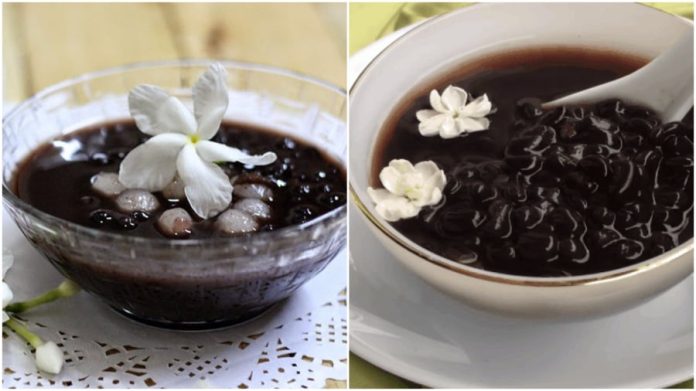
If you want your black beans to soften quickly while still retaining their naturally rich flavor, don’t skip the cooking method below. This simple technique helps the beans cook faster, taste better, and gives your sweet soup a wonderfully fragrant finish.
To make good chè đỗ đen, choosing the right beans is crucial. Look for green-core black beans (đỗ đen xanh lòng) with glossy black skins, even size, and thin shells. Avoid pale, oversized, shriveled, or uneven beans, as they often take longer to soften and don’t deliver the best flavor.
You can use any sugar you prefer: white granulated sugar, golden sugar, or brown sugar. Each type gives the sweet soup a slightly different aroma and color, so feel free to choose the one you like best.
To elevate the dish, prepare some add-ons such as shredded fresh coconut, toasted dried coconut, roasted crushed peanuts, or a few drops of banana essence (dầu chuối). These toppings enhance the richness and aroma of the dessert.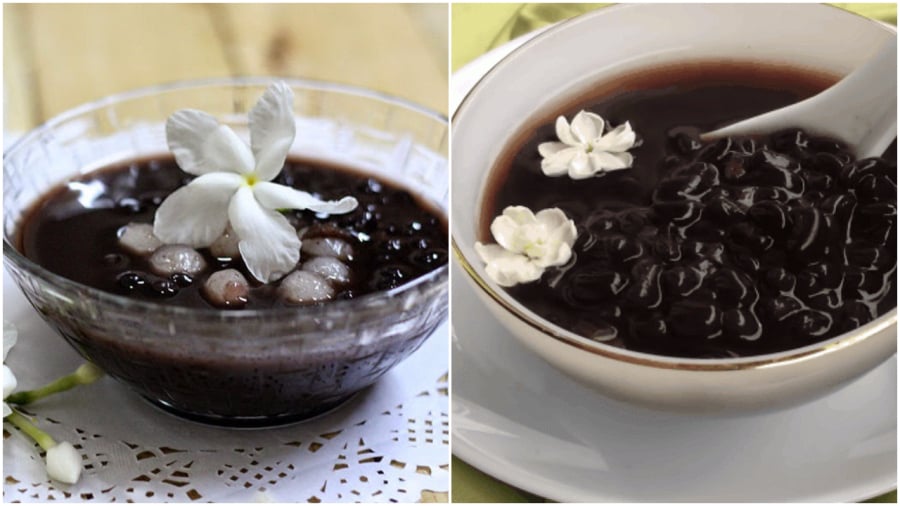
Rinse the beans thoroughly and remove any floating, damaged, or tiny beans. Soak them for 4–6 hours with a tablespoon of salt. Soaking helps the beans cook much faster and prevents them from splitting during simmering.
Drain the soaked beans, transfer them to a rice cooker, and add enough water to cover the beans by about two finger joints. Cook until the pot begins boiling for 5–10 minutes, then switch to “Warm” mode.
Keep the rice cooker in “Warm” mode for 15–20 minutes. This steaming step softens the beans from the inside. After that, switch back to “Cook” mode and let it boil again. You’ll notice the beans becoming noticeably tender.
Use a slotted spoon to remove the softened beans and set them aside in another pot. Leave the cooking liquid (bean broth) in the rice cooker.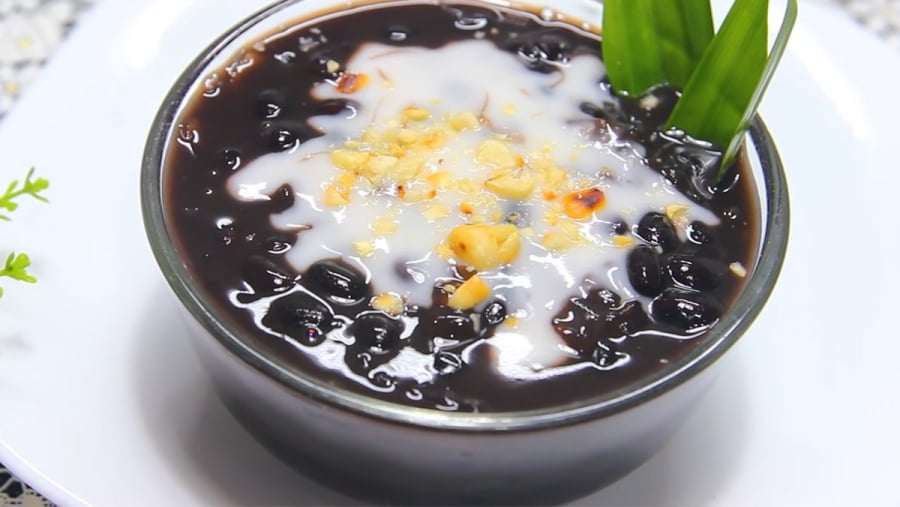
Add sugar to the pot of cooked beans and simmer on low heat, stirring gently until the sugar dissolves and fully absorbs into the beans. This step enhances flavor and helps the beans hold their shape.
Pour the sweetened beans back into the pot of bean broth, taste, and adjust the sweetness.
To create a glossy, slightly thick consistency, stir in a little dissolved tapioca starch (bột sắn dây) and a small amount of vanilla. When serving, top with fresh coconut shreds or grass jelly for added texture and aroma.
This method ensures your chè đỗ đen becomes soft quickly, beautifully fragrant, and incredibly satisfying.
Oil splatter can cause burns and make a mess in the kitchen. Below are some practical tips to help you fry food safely and cleanly—just by adding one simple ingredient to the pan.
Food residues or leftover grease cause sticking and splattering. It’s best to keep a dedicated frying pan just for deep-frying.
After washing, boil a small amount of water in the pan to remove any remaining residue. Pour out the water and let the pan dry completely.
Choosing a high-sided nonstick pan also helps reduce splashes and keeps the oil contained.
Ensure the pan is completely dry before adding oil. Wait until the oil is fully heated before putting in food. This prevents sticking and minimizes splatter.
Water and hot oil never mix. Since water boils at 100°C while oil gets much hotter, water droplets will instantly vaporize and cause oil to shoot upward.
To prevent this, pat ingredients dry with paper towels.
You may also coat ingredients with a thin layer of flour (wheat flour, cornstarch, etc.). This absorbs moisture and creates a crispy golden crust while reducing oil splatter.
One popular trick is adding a pinch of salt to the hot oil before frying. The salt helps stabilize moisture and reduces splashes.
Putting ½ teaspoon of flour into the hot oil and stirring helps prevent splattering. Even if the food is slightly wet, the oil won’t jump out as much.
Rubbing a slice of fresh ginger around the pan surface before adding oil creates a natural nonstick layer.
Similarly, rubbing lemon inside the pan helps reduce oil splatter and prevents sticking.
These simple techniques make frying safer, cleaner, and much more enjoyable.