No More Fillings? Scientists Successfully Grow Human Teeth in the Lab
Health 04/12/2025 15:51

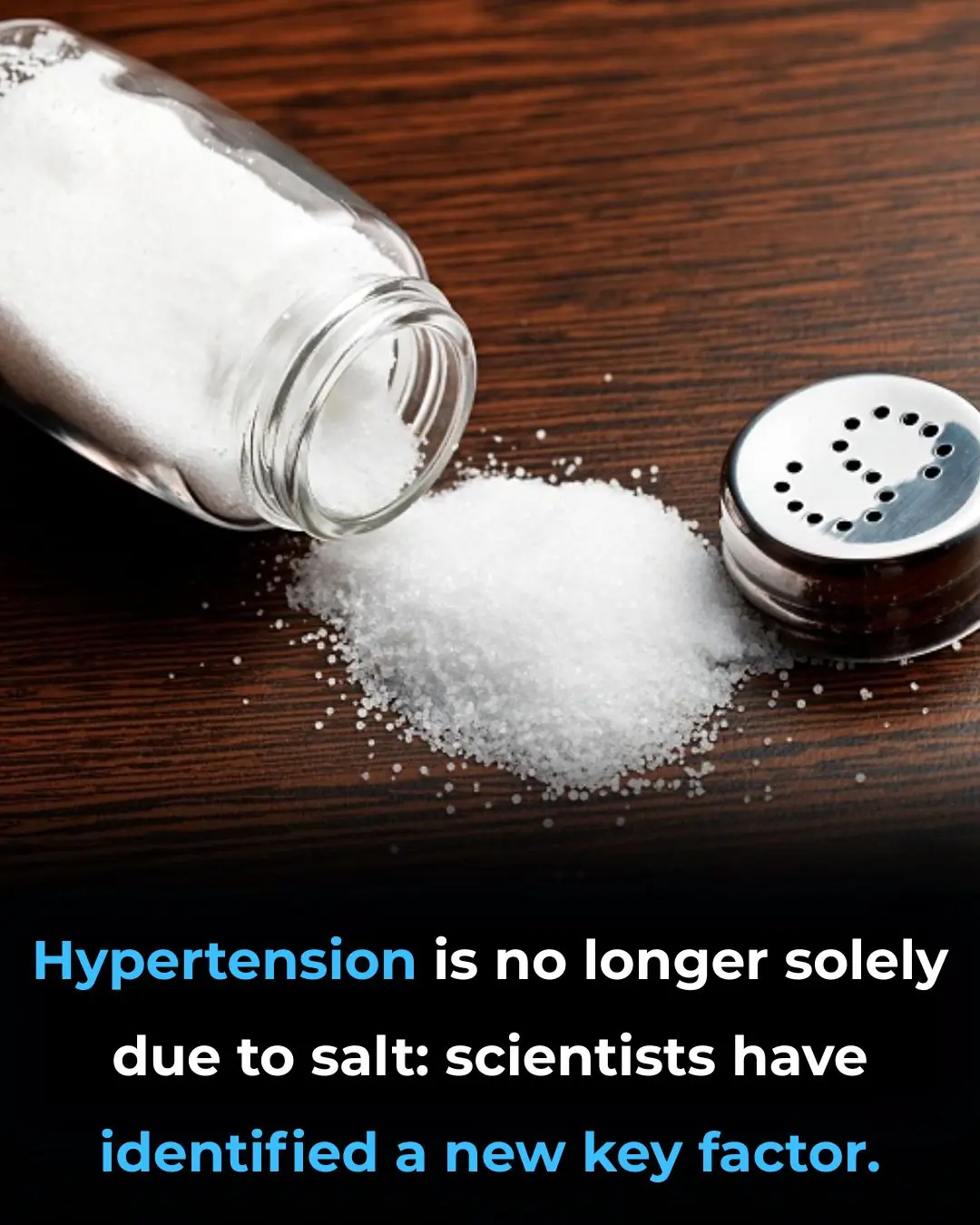
Have you ever wondered why nearly half of adults in the United States are now diagnosed with high blood pressure, while only a small fraction were considered hypertensive a few decades ago? Are doctors and pharmaceutical companies simply lowering the bar to push more medications, or are they genuinely following the evidence to protect your health? Let’s take a closer look at the facts behind the increasingly aggressive blood pressure targets and uncover the truth behind the headlines. (Based on insights from Dr. Brad Standfield)
Key Takeaways
Over the decades, blood pressure targets have been progressively lowered, leading to a surge in diagnoses.
While pharmaceutical conspiracy theories are common, research overwhelmingly supports more stringent blood pressure control to protect long-term health.
Major studies have consistently shown that reducing blood pressure lowers the risk of heart attacks, strokes, and even dementia.
Modern medical guidelines emphasize early detection and treatment of high blood pressure, often starting with lifestyle changes.
Tailored care is essential—what works for the general population might need adjustments for your specific age, health condition, and individual risk factors.
It’s not a coincidence. Several decades ago, a reading of 140/90 mmHg was often considered normal. Now, the same numbers might classify you as having stage 2 hypertension. This change in thresholds means that more people are being diagnosed with high blood pressure. But is this just a tactic to sell more medications? While the number of prescriptions for antihypertensive drugs has increased dramatically, research strongly supports the idea that even moderately elevated blood pressure raises the long-term risks of serious cardiovascular events like heart attacks and strokes.
Studies have proven that treating hypertension, even when it is not yet in the severe range, helps prevent health complications. Early intervention can reduce the risk of severe outcomes in the long term, improving quality of life and lifespan. It’s not just about pushing pills; it’s about preventing more significant health issues in the future.
Back in the early 20th century, few people were concerned about high blood pressure unless it exceeded 180/110 mmHg. However, in 1925, mathematicians working for life insurance companies made a key discovery: people with higher blood pressure were more likely to die at a younger age. This wasn’t based on theory—it was derived from tracking over 700,000 individuals! But despite these findings, it took several decades before the medical community fully acknowledged the dangers of hypertension.
The connection between high blood pressure and life expectancy has been clear for over a century. Yet, it wasn’t until more recent decades that the broader implications of hypertension for heart disease, stroke, and cognitive decline became fully recognized.
In 1948, the Framingham Heart Study set out to track the development of heart disease and explore potential preventive measures. Within just a few years, the data showed a strong correlation between elevated blood pressure and a higher risk of heart disease. The study's groundbreaking findings proved that high blood pressure was a major health risk factor, regardless of other symptoms.
The Framingham Study was one of the pivotal moments in modern cardiology, changing how doctors understood the relationship between blood pressure and cardiovascular health. It helped solidify the idea that hypertension is a silent, yet serious, condition that can lead to significant heart and vascular problems over time.
In the 1960s, the US Veterans Administration conducted a landmark trial that divided participants with severe hypertension into two groups: one received treatment, and the other did not. The results were telling. Those treated with medication had far fewer heart attacks and related issues. This trial, along with many others conducted since, underscored the importance of controlling blood pressure to reduce cardiovascular risk.
These clinical trials proved that blood pressure management isn’t just about numbers—it’s about real-world outcomes. People who took steps to control their blood pressure had fewer complications and lived longer, healthier lives. The evidence from these trials has had a lasting impact on how doctors treat hypertension today.
Every few decades, medical guidelines have recommended lower thresholds for diagnosing high blood pressure—from 180 to 160, then to 140, and so on. Why the gradual changes? Each new wave of research, including large studies like the 2003 Lancet analysis involving over 1 million adults, found that health risks continued to rise as blood pressure increased, even within what was once considered the "normal" range. The evidence is clear: the lower the blood pressure (within reasonable limits), the lower the risk of heart disease, stroke, and other serious conditions.
This shift in thinking is rooted in scientific evidence, not just sales tactics. A growing body of research has consistently shown that controlling blood pressure at lower levels significantly reduces the incidence of heart-related diseases and strokes, especially among people at high risk. By lowering the bar, doctors are simply aligning their practices with the latest understanding of hypertension’s long-term effects.
In recent years, the SPRINT study revolutionized how doctors approach blood pressure treatment. The study found that aiming for a target below 120 mmHg (rather than under 140) significantly reduced the risk of heart attack, stroke, and even death by up to 27%. This finding marked a major shift in the treatment of hypertension, emphasizing that tighter control leads to better outcomes for patients.
Another large study conducted in China confirmed these findings, showing that reducing systolic blood pressure below 120 significantly reduced heart attacks, strokes, and death rates, even among high-risk groups such as individuals with diabetes or those who had previously suffered strokes. These studies have had a profound impact on how blood pressure is managed globally, supporting the benefits of more aggressive treatment.
Lowering blood pressure doesn't just protect your heart and arteries—it also plays a crucial role in safeguarding your brain. A recent analysis found that individuals who targeted lower blood pressure had a 14% lower risk of developing dementia. This evidence adds a new layer of understanding to the benefits of tight blood pressure control, showing it’s not just about preventing heart disease but also preserving cognitive function as you age.
The link between high blood pressure and cognitive decline is growing stronger. By addressing hypertension early, you not only reduce the risk of strokes and heart disease but also help protect your mental clarity and prevent neurodegenerative diseases like Alzheimer's.
The latest updates to blood pressure guidelines, including those from 2024, haven’t significantly changed the thresholds for what constitutes high blood pressure. However, there is a stronger emphasis on early and decisive action, particularly for individuals with additional cardiovascular risk factors. The general recommendation now is to aim for a blood pressure of under 130 mmHg, with the ideal being under 120 mmHg if possible. The focus is on starting treatment sooner and emphasizing lifestyle changes as the first line of defense.
These guidelines suggest that even those with mild hypertension should take steps to address their condition early, reducing the risk of long-term complications and improving overall health outcomes.
Doctors today are not quick to prescribe medications without considering lifestyle changes. The first step in managing mild hypertension is often making changes to your diet and exercise routine. Recommendations include losing 5% of body weight if you're overweight, cutting down on salt intake, and incorporating regular exercise into your routine. Additionally, using potassium-based salt substitutes (if safe for your kidneys) can help lower blood pressure naturally. It’s all about empowering you to take control of your health from the outset.
Lifestyle interventions are powerful tools in managing blood pressure, and they’re often the first step before medications are introduced. By making these changes, you can significantly reduce the need for long-term pharmacological treatment.
Not everyone requires the same blood pressure targets. For older adults, in particular, a slightly higher blood pressure may be appropriate to avoid risks like falls or fainting. The best approach is a personalized care plan that considers the individual’s overall health, age, and specific medical conditions. Guidelines are valuable tools, but they should be adapted to each person’s unique health situation.
A personalized approach ensures that treatment plans are tailored to meet the specific needs of the individual, balancing the risks and benefits of tighter blood pressure control.
Despite popular conspiracy theories circulating on social media, there is no grand plot to unnecessarily medicate you. The overwhelming body of scientific evidence supports tighter blood pressure control as an essential measure for preventing heart attacks, strokes, and even dementia. The key takeaway? Regularly check your blood pressure, make healthy lifestyle choices, and trust that the changes in blood pressure guidelines are based on decades of rigorous research—not pharmaceutical profits.
By understanding the real reasons behind these changes, you can make informed decisions about your health and take proactive steps to protect your future.