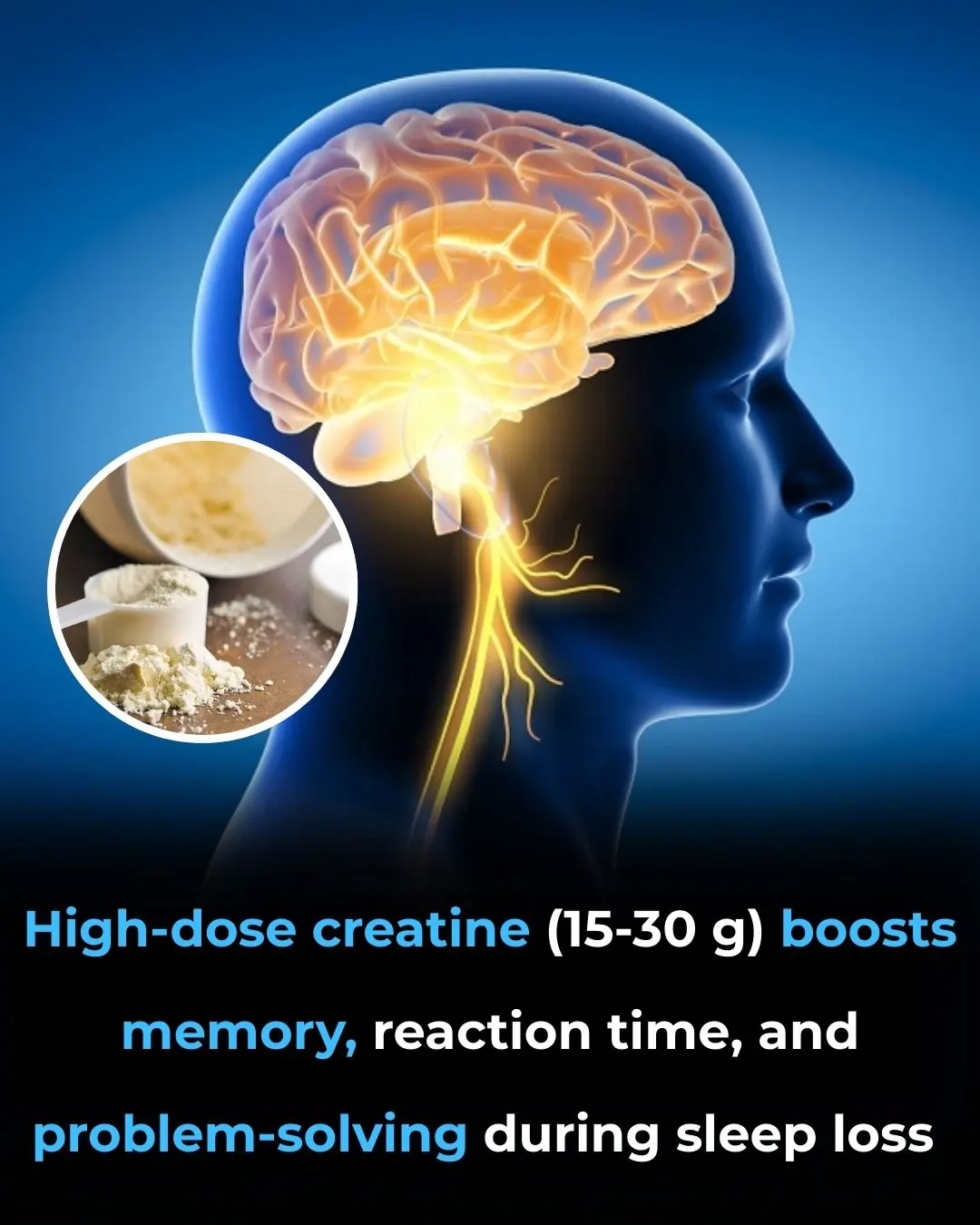
High-Dose Creatine May Sharpen Memory, Reaction Time, and Problem-Solving After a Sleepless Night
Health 04/12/2025 14:03
Human beings are, at our core, storytellers and meaning-makers. We interpret life through patterns, connections and narratives. Yet for decades, scientific understanding suggested that the human brain became mostly fixed once adulthood was reached—implying that personality traits, emotional tendencies, habits and even our worldview were essentially permanent.
Modern neuroscience, however, has overturned this assumption. Research now demonstrates that the brain remains flexible, adaptive and remarkably responsive throughout the entire lifespan. This capacity to rewire, reorganize and transform itself is known as neuroplasticity. More than a biological phenomenon, it offers a doorway into understanding personal change, emotional healing and even the spiritual dimension of human development.
The idea that focusing on the positive can reshape the physical architecture of the brain is not poetic symbolism—it is grounded in decades of scientific study. Neural networks strengthen or weaken based on repeated experience. When you consciously look for what is good, meaningful or hopeful, you activate circuits linked to reward, resilience and emotional stability. Over time, these pathways become more efficient and dominant. Optimism becomes less like a forced choice and more like a natural mode of perception.
This is the quiet brilliance of neuroplasticity. It shows that transformation is simultaneously mechanical—rooted in synapses, receptors and neurotransmitters—and deeply experiential, connecting the insights of neuroscience with ancient contemplative traditions. Practices such as meditation, gratitude, prayer, mantra and visualization have influenced human consciousness for millennia. Now, science can finally explain why they work.
In this expanded exploration, we will look at the scientific foundations of neuroplasticity, how focusing on the good shapes neural pathways, why lifestyle and habits matter far more than most people assume, and how spiritual and scientific perspectives converge in their understanding of the human mind.
Neuroplasticity refers to the brain’s ability to adjust its structure, function and organization in response to experience. This includes forming new synapses, strengthening or weakening existing circuits, pruning unused pathways and even reorganizing entire regions after injury.
Far from being static, the brain is dynamic—constantly sculpted by thought, emotion, environment and behavior.
Scientists describe two major forms:
The brain’s ability to shift tasks or functions from one region to another, especially after damage. Stroke patients often rely on this mechanism when healthy regions take on roles once performed by injured areas.
The brain’s capacity to physically remodel itself—developing new connections, altering synaptic density or reshaping networks in response to learning and long-term experience.
Most emotional patterns originate at the synaptic level. Through long-term potentiation (LTP), neurons that fire together repeatedly form stronger, more easily activated connections. This process underlies learning, memory and habit formation.
Similarly, when you repeatedly redirect attention toward something uplifting or grounding, you reinforce neural circuits of calm, reward and stability. Over time, these circuits become the brain’s preferred routes.
Conversely, chronic stress or rumination strengthens circuits associated with fear and vigilance. Neuroplasticity itself is neutral—it reinforces whatever we repeatedly practice, whether helpful or harmful. Recognizing this gives us tremendous agency: we are co-designers of our own emotional landscape.
Neuroplastic change unfolds gradually through consistent repetition. When a person focuses on the good, several biological processes occur:
Redirecting attention toward positive experiences triggers neurotransmitters like dopamine, reinforcing this shift and increasing motivation. The brain learns that this pathway is valuable.
Through repeated gratitude, mindfulness or reflection, LTP strengthens beneficial networks. Over time, the brain becomes more efficient at generating positive states.
The brain begins to prune underused pathways. This does not eliminate the ability to respond to danger—it simply restores balance. Instead of defaulting to threat perception, the mind gains access to a fuller spectrum of reality.
As positive circuits strengthen, the amygdala becomes less reactive, while the prefrontal cortex—responsible for reasoning and emotional control—gains influence. This creates greater clarity, steadiness and resilience.
Gradually, your perception of the world shifts. You begin noticing acts of kindness, small opportunities and moments of beauty. Challenges feel more manageable. You engage life with more flexibility and presence. What began as deliberate practice becomes a new emotional baseline.
While positive focus shapes synaptic connections, deeper biological processes also contribute to neuroplasticity.
In regions like the hippocampus, new neurons may continue to form throughout adulthood. Though the extent is debated, research suggests neurogenesis is influenced by exercise, enriched environments and emotional wellbeing.
The brain can redistribute tasks even without injury—for example, when learning complex skills, developing artistic talents or undergoing emotional healing.
This refers to the brain’s ability to change how it changes. Previous neural activity influences the ease of future plasticity. This explains why long-term inner work compounds over time.
Not all plasticity is beneficial. Chronic stress, trauma or negative rumination can carve pathways that reinforce fear or pain. Understanding this removes shame—these patterns are biological, not personal failings—and can be rewired with awareness and consistent support.
Because neuroplasticity responds to experience, many daily habits can reshape the brain:
Gratitude journaling enhances reward pathways.
Mindfulness meditation increases gray matter related to empathy and regulation.
Learning new skills strengthens cognitive flexibility.
Physical exercise boosts BDNF, supporting neuronal growth.
Quality sleep aids memory consolidation.
Healthy social interaction fortifies emotional networks.
Novel environments stimulate structural and functional plasticity.
Nutritious eating supports metabolic health and reduces neuroinflammation.
Combined with intentional positive focus, these practices create profound long-term transformation.
Long before neuroscience existed, ancient traditions taught that the mind could be trained. Meditation, breathwork, contemplative prayer and visualization all cultivated attention, presence and emotional clarity.
From a spiritual viewpoint, focusing on the good is not about denial. It is about perceiving a deeper reality—one that includes connection, meaning and inner wisdom. Compassion and gratitude open the heart not because they are pleasant emotions, but because they align us with something fundamentally life-affirming.
Neuroscience now validates what generations of sages taught: when we cultivate inner peace, empathy and gratitude, neural networks associated with insight and emotional balance strengthen. Spiritual insight and scientific understanding are two languages describing the same transformation.
Advancing research continues to reveal how lifestyle, environment and inner practice shape the brain. Studies on cognitive reserve show that lifelong learning and social engagement buffer against decline. Therapies such as mirror therapy, constraint-induced movement therapy and neuro-modulating medicines demonstrate that targeted plasticity can restore function once thought lost.
Yet modern life also presents challenges: chronic stress, sleep deprivation and processed diets can disrupt plasticity. Understanding these effects empowers individuals to make choices that support long-term brain health.
Increasingly, neuroscience and spirituality appear to converge. Both suggest that human flourishing arises in environments rich in novelty, safety, meaning and connection—the very conditions nurtured in mindful communities and contemplative traditions.
The discovery that focusing on the good rewires the brain is a profound reminder that we are not passive observers of our inner world. We are active creators. Neuroplasticity shows that transformation is biologically supported. The mind can become more resilient and more attuned to beauty, meaning and possibility.
This does not require ignoring hardship. It requires seeing the whole picture—including the subtle goodness that is often hidden beneath noise or habit.
What you focus on, you strengthen.
What you practice, your brain becomes.
Every moment offers an opportunity to cultivate clarity, gratitude and genuine wellbeing.
Neuroplasticity reveals that focusing on the good is not wishful thinking—it is an innate capacity of the human brain, and an invitation to live consciously, creatively and fully awake.