Heart Surgeon Warns People Should Remove This One Thing From Their Life After Turning 40
Health 04/12/2025 15:46
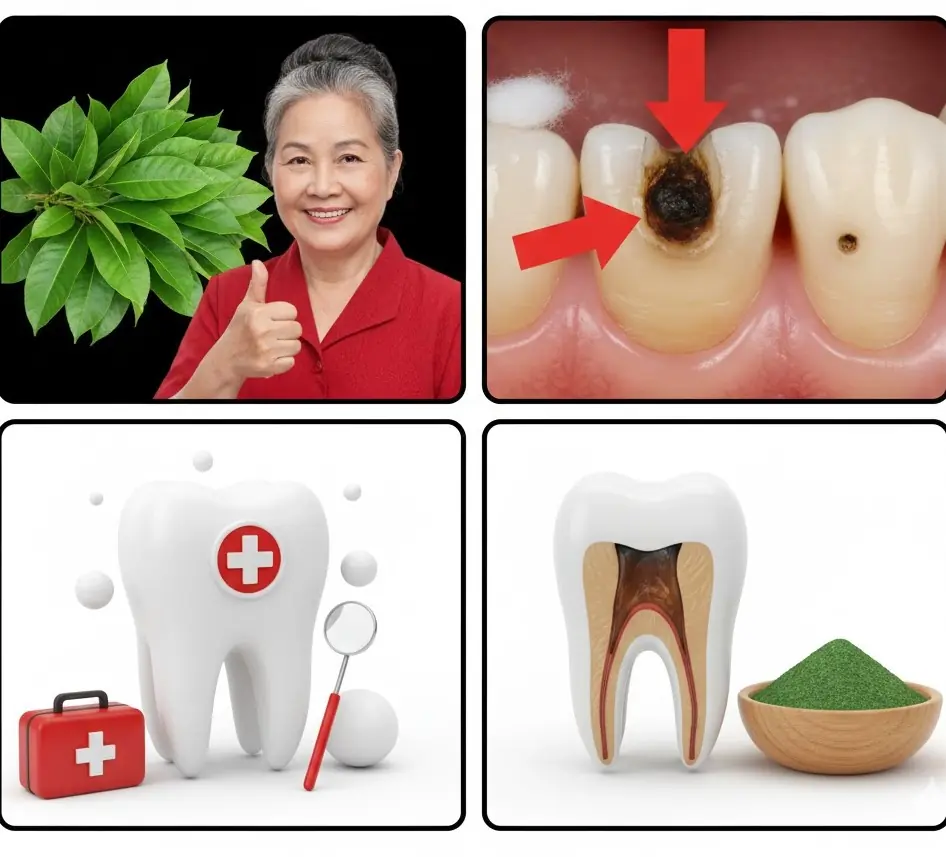
For decades, dental care has largely focused on repairing damage: filling cavities, sealing cracks, and replacing lost teeth with artificial alternatives. While modern dentistry has advanced significantly, these treatments still come with limitations. Fillings can wear down, crowns may need replacement, and implants require invasive procedures. But a groundbreaking scientific achievement is now challenging the very foundation of traditional dentistry. Recent laboratory research has shown that scientists can successfully grow human teeth from stem cells, raising the exciting possibility that one day, people may be able to regenerate their own natural teeth instead of relying on fillings and synthetic solutions.
This breakthrough comes from a field known as regenerative medicine, which aims to repair or replace damaged tissues using the body’s own biological processes. In the case of teeth, researchers worked with stem cells—special cells capable of transforming into different types of tissues. By studying the genetic signals that guide tooth development in embryos, scientists learned to recreate these conditions in a controlled environment. The result was astonishing: fully formed tooth structures, complete with enamel, dentin, and pulp, began to grow in the laboratory.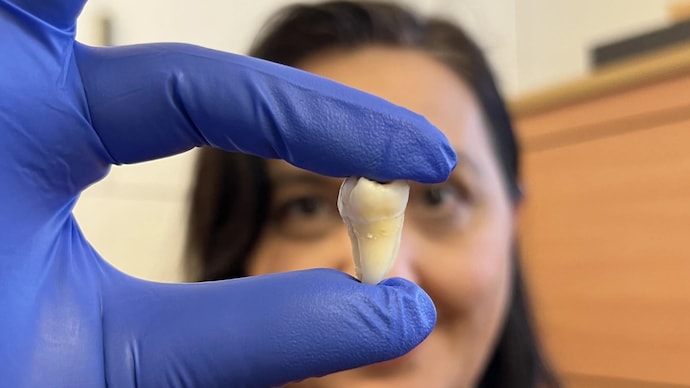
Growing an entire tooth is far more complex than it may seem. Teeth are among the hardest structures in the human body, and they develop through a precise sequence of interactions between cells. The fact that researchers have successfully guided stem cells to form these structures marks a major milestone. If these techniques can be refined and proven safe for humans, they could revolutionize the future of dental treatment. Instead of drilling cavities or extracting broken teeth, dentists might one day implant a tiny cluster of stem cells into a patient’s gums and allow a new tooth to grow naturally.
The implications of this science extend beyond aesthetics or convenience. Dental health is closely linked to overall health. Untreated cavities, gum disease, and tooth loss can lead to infections, chronic inflammation, and difficulties in eating or speaking. Many people struggle with dental care due to cost, fear of procedures, or health conditions that make surgery difficult. The ability to regrow natural teeth could provide a less painful, more accessible, and longer-lasting solution.
However, while the results are promising, experts caution that this technology is still in its early stages. Growing teeth in the lab is one thing; safely growing them inside a human mouth is another. Researchers must ensure that the new teeth develop correctly, integrate with existing tissue, and do not grow uncontrollably. There are also ethical questions about sourcing stem cells and ensuring equitable access once the treatment becomes available. Even with these challenges, scientists are optimistic. Clinical trials may begin within the next decade, and early animal tests have already shown encouraging results.
In addition, regenerative dentistry could eventually help patients with genetic disorders that affect tooth development, such as enamel defects or missing adult teeth. Instead of relying on lifelong dental interventions, these individuals might receive fully functioning, biologically natural replacements. For aging adults who lose teeth due to decay or bone loss, regenerative treatments could restore not only dental function but also confidence and quality of life.
The idea of growing human teeth in the lab may sound like science fiction, but so did many medical innovations that are now considered routine. Just as organ transplants and artificial joints transformed healthcare in past generations, tooth regeneration may soon reshape the landscape of dentistry. If ongoing research continues to progress, the familiar sound of a dentist’s drill could eventually fade into history.
For now, traditional dental care remains essential. But the possibility of a future without fillings—where damaged teeth can be replaced with new, living ones—offers a hopeful vision. As scientists push the boundaries of what is possible, the next era of dentistry may be one where nature and technology work together to restore smiles in the most natural way imaginable.